
Juvelook Before and After in Korea: How I Rebuild Skin Quality Without Filler — A Gangnam Doctor's Honest Guide

Dr. Hyunji Kim
2026-07-018 min read
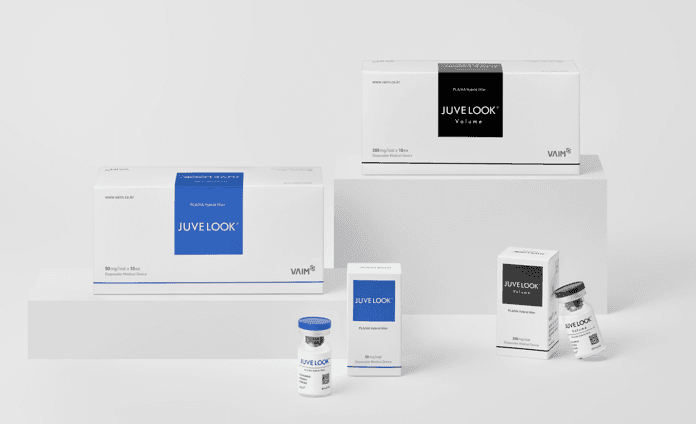
"I don't want to look done — I just want my skin to look like it did a few years ago." That's the sentence I hear most in my consultation room, and it's exactly the kind of goal Juvelook was made for. But there's a lot of confusing marketing online, so let me give you the honest version.
I'm Dr. Hyunji Kim, director at Delphic Clinic in Gangnam. I've treated a lot of local and international patients with Juvelook and Ultracol, and in this post I'll show you what a realistic Juvelook before and after actually looks like — who it suits, who it doesn't, and what it costs here in Seoul.
What it actually is — in plain language
Juvelook is a Korean-developed injectable made from PDLA (poly-D,L-lactic acid) micro-particles combined with a small amount of hyaluronic acid. In plain terms: it's a 'collagen biostimulator.' Instead of filling a wrinkle, it gently signals your own skin to make new collagen over the following weeks. The result is firmer, smoother, more even skin with a natural glow — not a change in shape. Ultracol is a sister PDLA product from the same family; I often prefer it for the delicate under-eye area.
Here's the honest bit: Juvelook is not a filler, not Botox, and not a lifting device. It won't add cheek volume, it won't erase deep folds on its own, and it won't tighten severely sagging skin. It works on skin quality and mild firmness — so if your expectations are set correctly, patients love it. If you expect a facelift result, you'll be disappointed.
Who it's really for
In my experience, Juvelook and Ultracol shine for people who want their skin to look healthier and firmer without looking altered. You're a good candidate if you relate to most of this:
- Your skin looks dull, tired or has lost its 'bounce' — usually from your 30s onward.
- You have fine crepey texture, early laxity or open pores you want refined.
- You want a natural, gradual improvement — nothing dramatic or obvious.
- You've tried topical skincare and want a treatment that actually stimulates collagen.
- You want under-eye skin thickening and smoothing (this is where Ultracol is excellent).
And who I steer elsewhere: if you want cheek or lip volume, filler is the right tool, not Juvelook. If your main concern is significant sagging jawline or jowls, I'd talk to you about energy-based lifting instead. If you're pregnant, breastfeeding, or have an active skin infection, we wait. I'll always tell you honestly if you're not the right fit — that's cheaper for you than a treatment that won't deliver.
How it compares — an honest comparison
Patients often ask how Juvelook stacks up against the other 'skin quality' options they've read about. Here's my simple working guide:
Honestly, these aren't rivals — I often combine Juvelook with Rejuran or a light energy device for a fuller result. The comparison just helps you understand what each one is actually doing.
Before and after: what's realistic
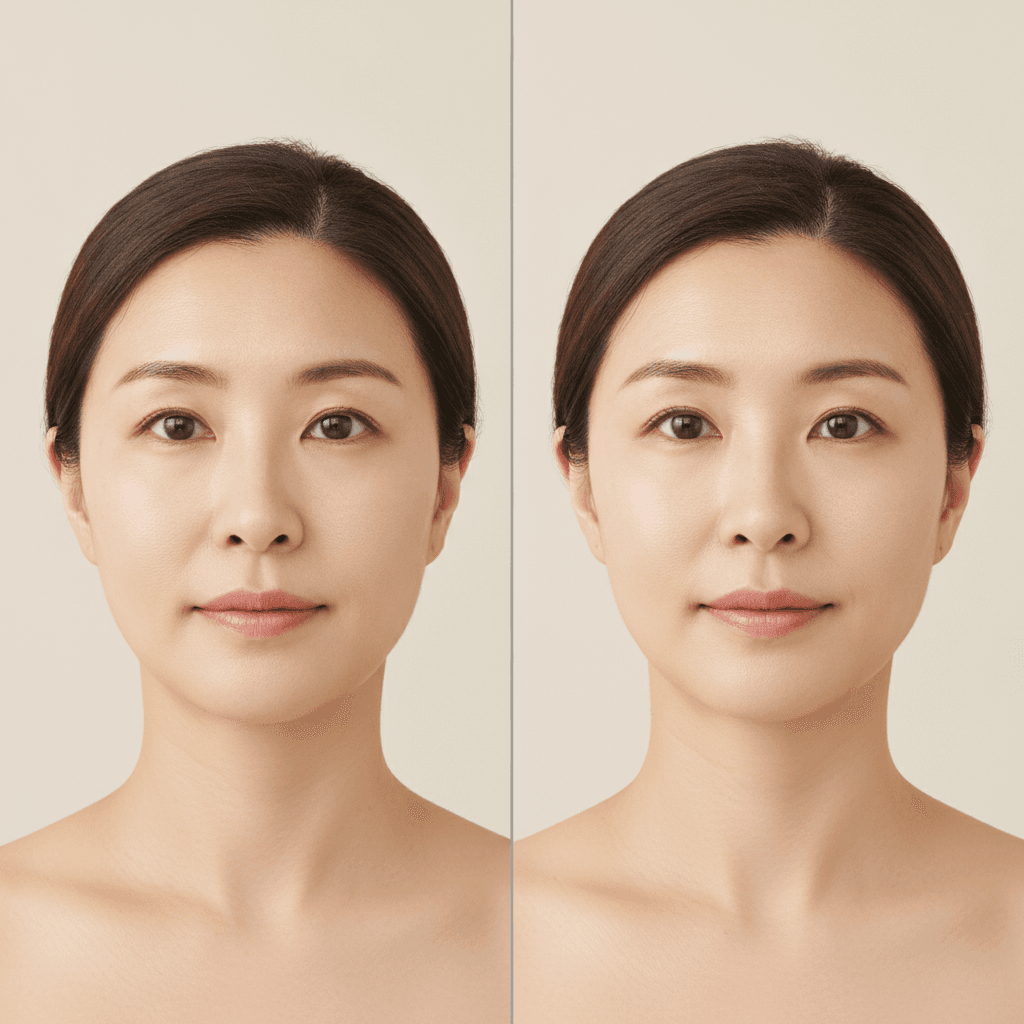
This is the most important section, so let me be clear. A Juvelook before and after is not an overnight transformation. In the first week or two you might not see much — this is normal, because the product is working quietly. The real change shows around 6–8 weeks, when new collagen has formed: skin looks firmer, pores look tighter, fine crepey lines soften, and there's a natural glow people notice before they know why. Most of my patients reach their best result after 2–3 sessions.
Get a free 1:1 consultation
Message our English-speaking team — same price as locals, no pressure.
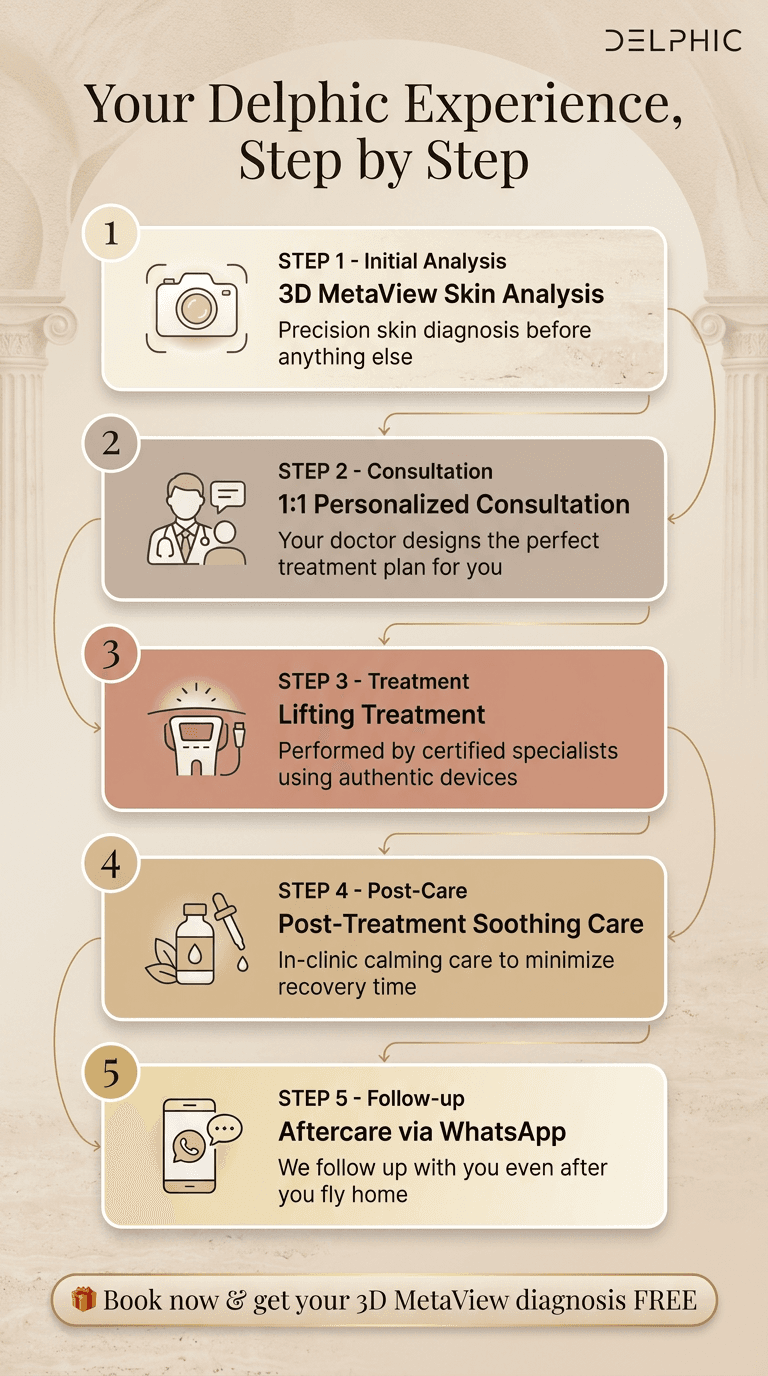
What to expect — step by step
- 1
1. Free consultation
I assess your skin in person, discuss your goals, and confirm whether Juvelook, Ultracol, or a combination is genuinely right for you — or if something else fits better.
- 2
2. Numbing & prep
We cleanse and apply strong topical numbing cream for around 20–30 minutes so the session stays comfortable.
- 3
3. The session
I inject the PDLA booster into the target areas with fine needles or micro-technique. The whole treatment usually takes 20–30 minutes.
- 4
4. Back to your day
You may have tiny marks, mild redness or small bumps that settle within a day or two. There's no real downtime — light makeup the next day is fine.
- 5
5. Results build over weeks
Collagen forms gradually. Expect visible improvement at 6–8 weeks, building further with each session in your course.
How we do it at Delphic — and why it matters
Skin boosters like Juvelook look simple, but placement, depth and reconstitution all affect the result — and the safety, especially around the eyes. Every treatment here is done by a doctor, using genuine, properly stored product. I take time to reconstitute Juvelook correctly and to tailor the amount and layers to your skin rather than following a one-size template. That's the difference between a natural glow and lumpiness.
Dr. Kim was completely honest about what to expect and didn't oversell anything. The clinic is spotless, the interpreter made everything easy, and my skin looks genuinely healthier a couple of months later. Best clinic experience I've had in Seoul.
How much does it cost in Korea?
Juvelook is priced by the volume used and the area treated. Under-eye work is usually done with Ultracol. Here are our genuine prices:
| Juvelook/Ultracol Skin Booster 2cc (1 area / Under-eye area only Ultracol) | ₩250,000$180 |
| Juvelook/Ultracol Skin Booster 4cc (Full Face / Under-eye area only Ultracol) | ₩500,000$360 |
Coming from overseas? Here's how we make it easy
We treat a lot of international patients, and Juvelook is very travel-friendly. We have on-site English and Chinese interpreters, so nothing gets lost in translation during your consultation. There's no real downtime, so it fits a one-day visit — we're a direct walk from Sinnonhyeon Station Exit 3. And you pay the same price as everyone else.
Start with a free 1:1 consultation
The best way to know if Juvelook is right for you is a free, no-pressure consultation. I'll look at your skin honestly, tell you what's realistic, and if a different treatment would serve you better, I'll say so. No hard sell — just clear advice.
Get a free 1:1 consultation
Message our English-speaking team — same price as locals, no pressure.
If you want healthier, firmer, more natural-looking skin — not a 'done' look — Juvelook is one of my favourite tools for the job. Come in, ask me anything, and let's decide together whether it fits you. — Dr. Hyunji Kim, Delphic Clinic, Gangnam, Seoul.
Frequently asked questions
Does Juvelook hurt?
Most patients find it very manageable. We apply strong topical numbing for around 20–30 minutes first, and the injections feel like small pinpricks. The under-eye area (where we usually use Ultracol) can feel a little more sensitive, but it's brief. You may feel mild tenderness for a day after.
How long do Juvelook results last?
Because Juvelook and Ultracol work by stimulating your own collagen, results build gradually over 6–8 weeks and typically hold for around 12–18 months after a full course. It's not permanent — most patients top up once a year to maintain the improvement.
How does Juvelook compare to Rejuran or filler?
Roughly: Rejuran (PN/PDRN) calms and heals skin and improves texture; Juvelook (PDLA) is a biostimulator that also builds collagen for firmness and glow; filler adds volume to a specific area. Juvelook improves overall skin quality rather than reshaping — it's not a volumizer.
Is there downtime with Juvelook?
No real downtime. You may have tiny injection marks, mild redness or small bumps for a day or two, and occasional light bruising. Most patients go back to their day and cover any marks with light makeup the next morning.
How many sessions do I need?
It depends on your skin, but most people do 2–3 sessions spaced about 4 weeks apart for the best before and after, then maintenance once a year. During your consultation I'll tell you honestly if one session is enough.
How much does Juvelook cost in Korea?
See the prices in the article — 2cc is ₩250,000 and 4cc (full face) is ₩500,000. Same price for locals and visitors, with no foreigner mark-up.
Written by
Dr. Hyunji Kim
Dr. Hyunji Kim is the director and lead physician at Delphic Clinic in Gangnam, Seoul. She trained at Korea University Medical Center and personally performs consultations and procedures for both local and international patients.