Pigmentation Treatment in Korea: How I Use Fraxel to Fade Sun Spots Without Surgery — A Gangnam Doctor's Honest Guide

Dr. Hyunji Kim
2026-07-028 min read
Medically reviewed by Dr. Hyunji Kim · Last reviewed
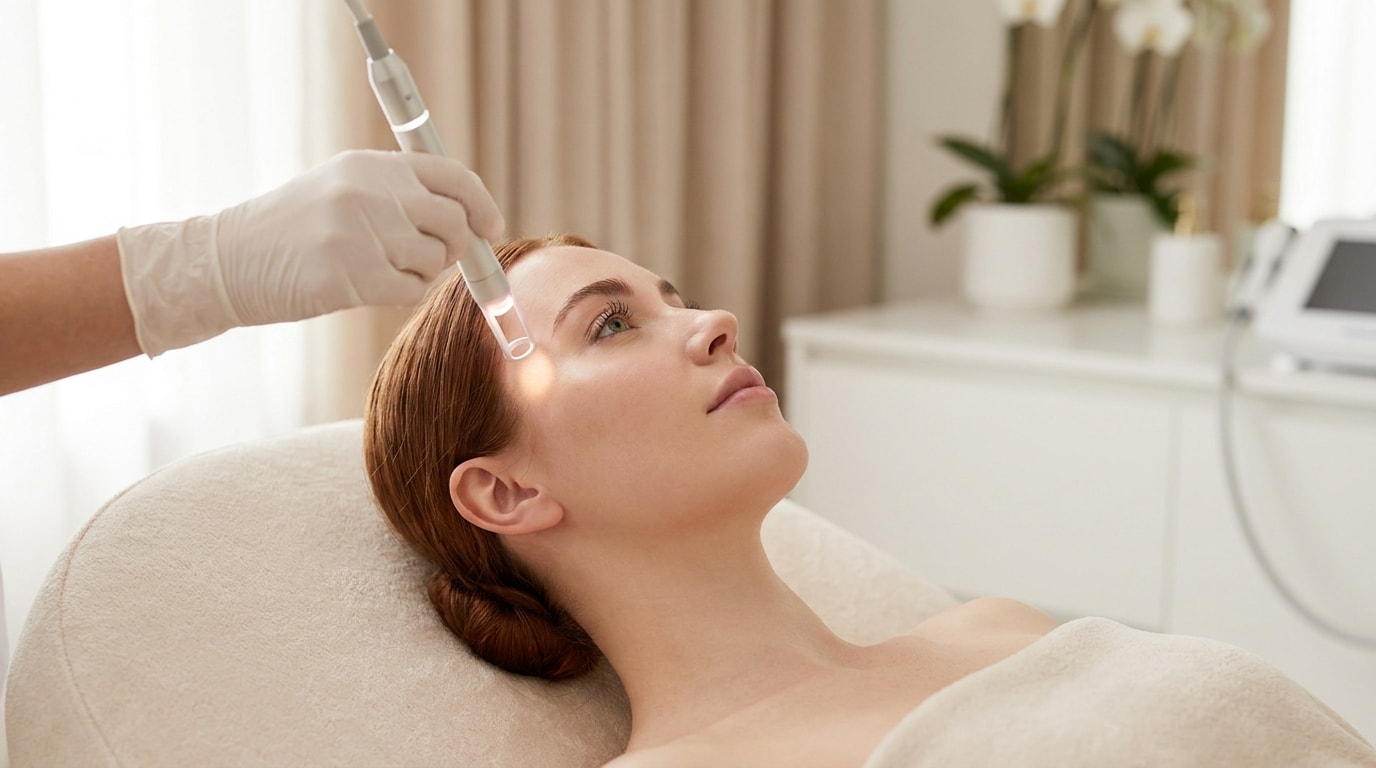
Almost every week, someone sits across from me pointing at a cheek and asking, "Doctor, can you get rid of these brown spots without making my skin worse?" Pigmentation is one of the most common — and most misunderstood — concerns I treat. So let me be honest about what Fraxel can and can't do.
I'm Dr. Hyunji Kim, director at Delphic Clinic in Gangnam. I've treated a lot of pigmentation — from holiday sun spots to deep, stubborn melasma — and Fraxel is one of my favourite tools when it's used on the right patient. Here's what it really does, and who I honestly tell to try something else.
What it actually is — in plain language
Fraxel is a fractional laser. Instead of treating your whole skin surface at once, it delivers thousands of tiny microscopic laser columns into the skin, leaving healthy tissue in between. Those little zones of controlled injury tell your skin to shed old, pigmented, damaged cells and build fresh new ones. The result: fading of brown spots and sun damage, smoother texture, and a brighter, more even tone — all in one treatment.
What it isn't: Fraxel is not a magic eraser, and it's not for everyone. It won't lighten your natural skin tone, it won't fix pigmentation in a single visit, and — this matters — aggressive laser on melasma can actually trigger it to darken. It's a resurfacing treatment with real downtime, not a lunchtime glow booster. Honesty first.
Who it's really for
Fraxel shines for people who want to fade pigmentation and refresh their skin's surface at the same time. In my chair, the best candidates usually are:
- People with sun spots, freckles and age spots from years of UV exposure
- Those bothered by dull, uneven skin tone who also want smoother texture
- Patients with early fine lines or shallow acne scars alongside pigmentation
- Anyone who can accept 2–5 days of visible redness and flaking (not a same-day event)
- People ready to commit to daily sunscreen so results actually last
And who I steer elsewhere: if you have active, hormonally-driven melasma, I'm cautious — I often start with gentler settings, topical care, or a low-energy toning approach instead, because heat can worsen melasma. If you have a very deep tan, active infection, or you're pregnant, we wait. And if you can't take any downtime this week, I'll suggest a milder option and book Fraxel for another time.
How it compares — an honest comparison
Fraxel isn't the only way to treat pigmentation. Here's how I compare it with the other options I actually use — and remember, the right choice is decided in person, not from a chart.
In short: choose Fraxel when texture and tone matter alongside pigmentation; choose pico for isolated stubborn spots; choose IPL for widespread superficial sun damage. Often the best plan blends two of these.
Before and after: what's realistic
Here's what honestly happens. In the first few days your skin looks red and feels rough; pigment may temporarily look darker as it rises to the surface — this is normal and part of the process. Then over the next week the darkened cells flake away and your tone starts to look brighter and clearer. Real, lasting improvement builds over several weeks as new collagen forms. Sun spots often respond beautifully; melasma improves more slowly and needs maintenance. Individual results genuinely vary.
Get a free 1:1 consultation
Message our English-speaking team — same price as locals, no pressure.
What to expect — step by step
- 1
1. Free consultation
I examine your pigmentation type under proper lighting, ask about sun exposure and history, and tell you honestly whether Fraxel — or something gentler — is right for you.
- 2
2. Numbing & prep
We cleanse your skin and apply numbing cream for about 20–30 minutes so the session is comfortable.
- 3
3. The session
The laser passes over the treatment area — a warm, prickly sensation for roughly 15–25 minutes for a full face, adjusted to your skin.
- 4
4. Back to your day
We finish with a soothing pack and sunscreen. Your skin will be red and warm for a few hours, then settle. Cover with mineral makeup after a couple of days.
- 5
5. Results build over weeks
Flaking clears within a week; brightness and even tone continue improving over 3–6 weeks. Sunscreen every single day protects your investment.
How we do it at Delphic — and why it matters
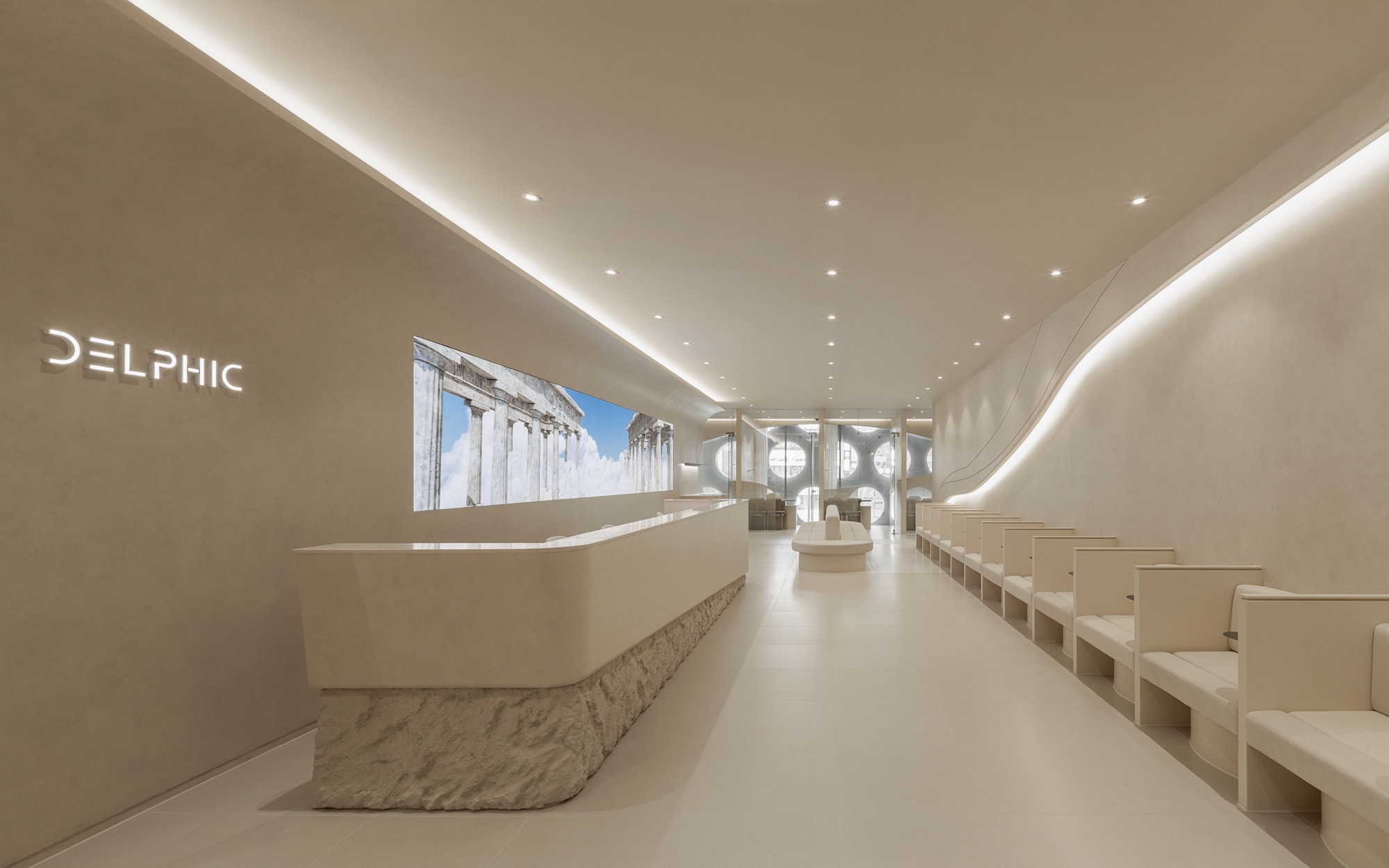
Pigmentation is where a doctor's judgement earns its keep. The exact same device on the wrong settings can worsen melasma or leave marks on darker skin. That's why I personally assess and set the parameters for every patient — matching energy and depth to your skin type and pigment. We use genuine devices and a doctor-led approach, never a one-size-fits-all protocol.
How much does it cost in Korea?
Good pigmentation treatment shouldn't require a mystery quote. Here are our genuine, transparent prices — including the soothing pack that calms your skin right after treatment:
| Erbium Fraxel Full Face + Soothing Pack | ₩79,000$60 |
| Pico Fraxel Full Face + Soothing Pack | ₩150,000$110 |
Coming from overseas? Here's how we make it easy
We have on-site English and Chinese interpreters, so nothing gets lost in translation about your skin or aftercare. Fraxel is one-day friendly — many visitors come, treat, and continue their trip, though I'll advise a little indoor rest and strict sun protection for the first few days. We're a direct walk from Sinnonhyeon Station Exit 3, and you pay the same price as everyone else.
Start with a free 1:1 consultation
Verified Google reviews
4.7 · 260 Google reviewsI received ONDA lifting and Juvelook Skin treatment at Delpic Clinic. Before the procedure, Dr. K carefully examined my skin condition and explained everything in a kind and easy-to-understand way, which made me feel very comfortable and reassured. During the treatment, I could really tell that Dr. K was highly skilled, so I felt confident and at ease throughout the entire process. Overall, I was very satisfied with my experience. It’s definitely a clinic I would love to visit again.
I had a really great experience at Delphic Clinic. The staff were very friendly and made me feel comfortable from the moment I walked in. They explained everything clearly in English and didn’t try to oversell unnecessary treatments, which I really appreciated. The clinic is very clean and modern, and the whole process felt professional and well-organized. Overall, I would definitely recommend this clinic, especially if you’re a foreigner looking for a trustworthy place in Korea.
Before any laser touches your skin, let's talk. A free, no-pressure 1:1 consultation is the only honest way to know whether Fraxel is right for your pigmentation — or whether I'd recommend a gentler path. Bring your questions; I'll give you straight answers.


Get a free 1:1 consultation
Message our English-speaking team — same price as locals, no pressure.
Pigmentation is very treatable — but only with the right tool, the right settings, and honest expectations. If you'd like a clear, doctor-led plan, come see me. — Dr. Hyunji Kim, Delphic Clinic, Gangnam, Seoul.
Frequently asked questions
Does Fraxel hurt?
With numbing cream applied for about 20–30 minutes beforehand, most patients describe it as a warm, prickly sensation — tolerable, not sharp pain. The face feels hot afterward, like mild sunburn, for a few hours. It's very manageable, and I adjust the settings for sensitive skin.
How long do the results last?
Pigmentation you've cleared can stay gone for a long time — but new pigmentation can form if you don't protect your skin. Daily sunscreen is non-negotiable. Many patients maintain results for years with good habits; some do a light touch-up session yearly.
How does Fraxel compare to a pico laser?
Pico lasers are excellent for shattering stubborn pigment quickly with minimal downtime. Fraxel resurfaces and renews skin texture along with fading pigmentation, so it's better when you also have rough texture, fine lines or scars. Often I combine or alternate them — decided in person.
Is there downtime?
Yes, a little. Expect redness and a sandpaper-like texture for 2–5 days, sometimes light flaking or fine 'coffee-ground' darkening as old pigment lifts and sheds. It's easily covered with makeup after day 3. Not a same-day back-to-camera treatment.
How many sessions will I need?
It depends on your pigmentation type and depth. Sun spots often improve visibly in 1–3 sessions; melasma is trickier and needs a gentle, patient approach over several sessions plus topical care. I give you an honest number at consultation.
How much does Fraxel cost in Korea?
See the prices in the article. Erbium Fraxel full face with soothing pack is ₩79,000 and Pico Fraxel full face with soothing pack is ₩150,000 — the same price for locals and visitors, no foreigner mark-up.
Written by
Dr. Hyunji Kim
Dr. Hyunji Kim is the director and lead physician at Delphic Clinic in Gangnam, Seoul. She trained at Korea University Medical Center and personally performs consultations and procedures for both local and international patients.
Read next
Skin & acne
Freckles vs Melasma: How to Tell, and Why It Changes Everything
They look similar in the mirror and behave nothing alike. Treating melasma as if it were freckles is the most common pigment mistake I see.
Skin & acne
Korean Laser Treatment: A Concern-by-Concern Map for Your First Visit to a Seoul Clinic
Korean clinics list a dozen laser names, but you only need to know your concern. A Gangnam doctor maps pigment, redness, scars and pores to the laser that fits, with real prices.
Skin & acne
Korean Treatment for Pigmentation Cost: Name the Spot First, Then Price It
Pigmentation in Seoul is priced by what the spot is, not by how dark it looks. A Gangnam doctor shows how the Korean treatment for pigmentation cost changes with spot type, using real menu prices.