PDRN in Korea for Dry Skin: How I Use Salmon Injections to Rebuild Hydration — A Gangnam Doctor's Guide

Dr. Hyunji Kim
2026-07-078 min read
Medically reviewed by Dr. Hyunji Kim · Last reviewed
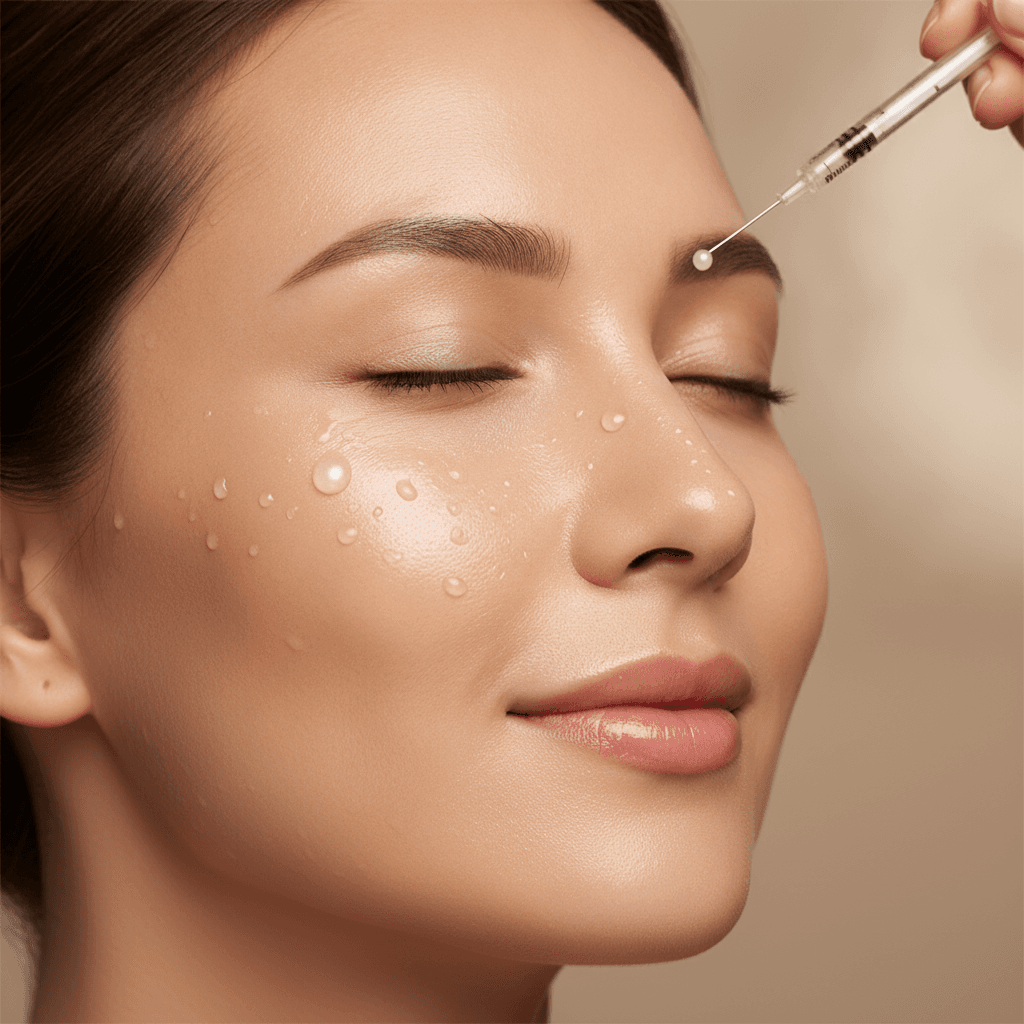
Polynucleotide treatment is one of the most misunderstood things in my clinic — patients arrive expecting a filler that plumps them up in one visit, when in truth a PDRN salmon injection is a quiet, regenerative skin booster that works over weeks. If your skin looks tired, dehydrated, and a little dull no matter how much cream you use, this is often the honest answer.
I'm Dr. Hyunji Kim, director at Delphic Clinic in Gangnam. I've placed thousands of these injections, and I'd rather tell you exactly what a polynucleotide skin booster can and can't do than sell you a fantasy. Here's the real picture.
What it actually is — in plain language
Polynucleotides are purified DNA fragments — in this case derived and highly filtered from salmon (which is why you'll hear it called a 'salmon injection' or 'salmon DNA injection'). When injected into the skin, they act as a biological signal: they help calm inflammation, support the skin's own repair cells, and improve moisture retention. The result over a course is skin that feels firmer, looks more hydrated, and has a smoother, healthier tone.
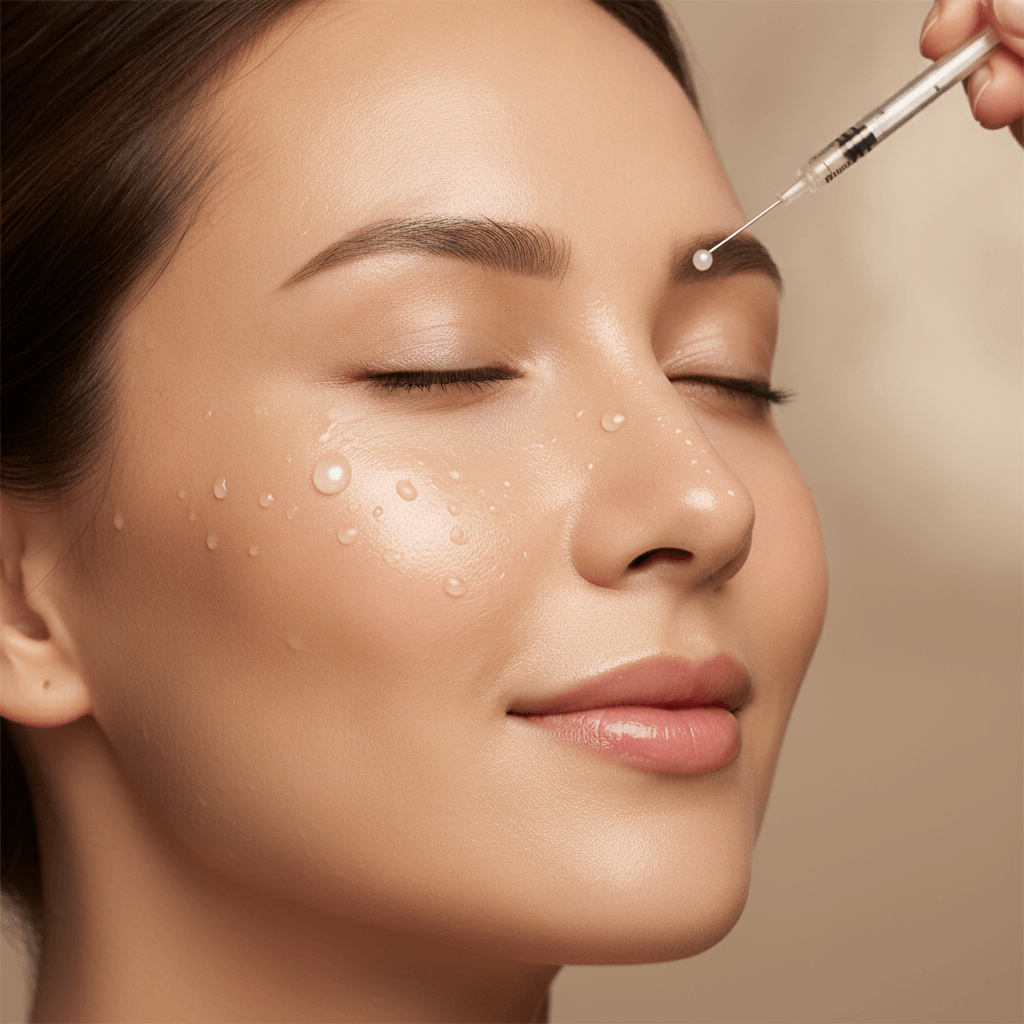
What it isn't: it is not a filler. It will not add volume to hollow cheeks or a flat chin, and it won't lift sagging skin the way a thread or an energy device does. If someone promises you a dramatic overnight transformation from a salmon injection, be skeptical — that's not how PDRN works.
Who it's really for
A polynucleotide treatment shines for skin quality rather than structure. In my chair, the people who love it most are:
- People with dull, dehydrated skin that never quite looks 'rested'.
- Post-acne or sensitized skin that flushes and needs calming and repair.
- Fine, crepey under-eye and forehead skin that isn't ready for anything aggressive.
- Travelers and busy professionals who want a real improvement with minimal downtime.
- Anyone building a long-term skin-quality plan alongside other boosters or treatments.
And who I steer elsewhere: if your main concern is sagging, jowls, or volume loss, a skin booster won't fix that — you'd be better looking at lifting or volumizing options. If you're pregnant, breastfeeding, or have a genuine fish/seafood-related allergy concern, we discuss that carefully first, and I'll say no when it isn't appropriate.
How it compares — an honest comparison
Patients constantly ask how the salmon injection stacks up against other skin boosters and fillers. Here's my plain-language guide — but the right choice is always decided in person.
In short: PDRN and PN products are the 'repair and rejuvenate' family, HA boosters are 'hydrate and glow', and filler is for volume. They solve different problems — and often work beautifully together.
Before and after: what's realistic
Be patient with this one. After your first session you might notice a little more hydration, but the meaningful change — smoother texture, a calmer even tone, that 'well-rested' look — builds across the course, usually becoming clear around weeks 4–8. It's gradual and cumulative, and it genuinely varies from person to person depending on skin condition, age, and lifestyle.
Get a free 1:1 consultation
Message our English-speaking team — same price as locals, no pressure.
What to expect — step by step
- 1
1. Free consultation
We assess your skin, discuss your goals, and I tell you honestly whether polynucleotide treatment is the right fit — or if something else suits you better.
- 2
2. Numbing & prep
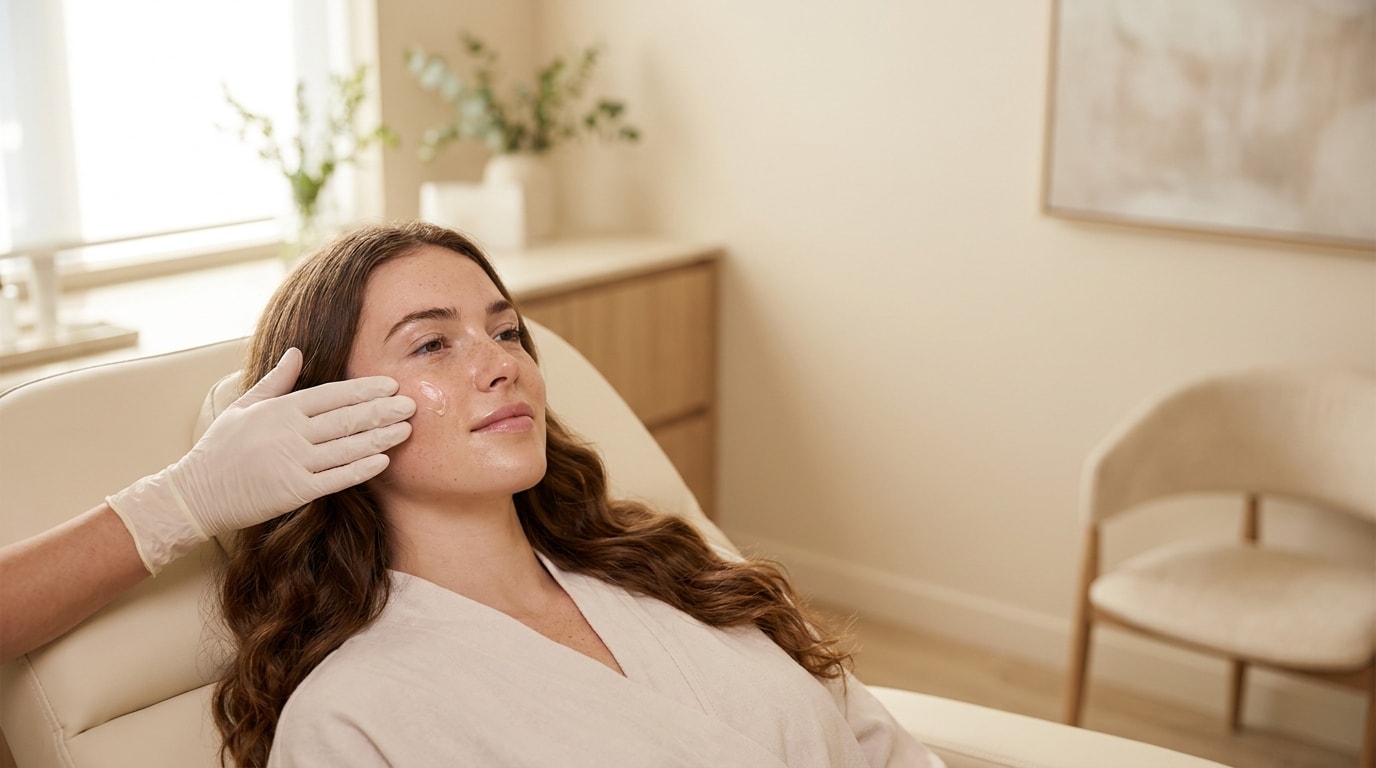
We cleanse and apply topical numbing cream, then wait until you're comfortable. The genuine product is opened in front of you.
- 3
3. The session
A series of fine, shallow injections across the treatment area. It typically takes 15–20 minutes and most patients tolerate it easily.
- 4
4. Back to your day
Expect tiny dots and mild redness. You can usually return to sightseeing or work the same day; a small bruise or two is possible.
- 5
5. Results build over weeks
Skin quality improves gradually across your course. We plan follow-ups 2–4 weeks apart and review together.

How we do it at Delphic — and why it matters
Every polynucleotide treatment here is doctor-led — I or a fellow physician assess and inject, not a technician. We open genuine product in front of you, use conservative, precise technique to keep bruising down, and never over-treat just to sell more sessions. If your skin only needs three sessions, that's what I'll tell you.

How much does it cost in Korea?
Cost depends on how many cc you need and how many sessions, which we agree on in your consultation. Here are the genuine prices — the product is opened in front of you so you know exactly what you're getting:
| Salmon Injection 3cc (Opened in front of patient) | ₩180,000$130 |
| Salmon Injection (First-visit trial) | ₩99,000$70 |
Coming from overseas? Here's how we make it easy
We have on-site English and Chinese interpreters, so nothing gets lost in translation. A polynucleotide skin booster is one-day-friendly with minimal downtime, so it fits neatly into a trip. We're a short walk from Sinnonhyeon Station Exit 3, and you'll pay the same price a local patient does.
Start with a free 1:1 consultation
Verified Google reviews
4.7 · 260 Google reviewsI received ONDA lifting and Juvelook Skin treatment at Delpic Clinic. Before the procedure, Dr. K carefully examined my skin condition and explained everything in a kind and easy-to-understand way, which made me feel very comfortable and reassured. During the treatment, I could really tell that Dr. K was highly skilled, so I felt confident and at ease throughout the entire process. Overall, I was very satisfied with my experience. It’s definitely a clinic I would love to visit again.
I had a really great experience at Delphic Clinic. The staff were very friendly and made me feel comfortable from the moment I walked in. They explained everything clearly in English and didn’t try to oversell unnecessary treatments, which I really appreciated. The clinic is very clean and modern, and the whole process felt professional and well-organized. Overall, I would definitely recommend this clinic, especially if you’re a foreigner looking for a trustworthy place in Korea.
Before anything, book a free, no-pressure 1:1 consultation. I'll look at your skin, tell you honestly whether PDRN salmon injections are right for you, and — if they aren't — point you to something that is. That's the whole point of seeing a doctor first.

Get a free 1:1 consultation
Message our English-speaking team — same price as locals, no pressure.
Healthy, well-rested skin is a slow project, not a one-day miracle — and I'd rather set you up for a real result than an unrealistic one. If that sounds like the kind of care you want, come see me. — Dr. Hyunji Kim, Delphic Clinic, Gangnam, Seoul.
Frequently asked questions
Does it hurt?
Most patients find it very tolerable. We apply numbing cream first, and the injections themselves are shallow. You may feel small pinches and a mild stinging as the fluid goes in, but it settles within seconds. If you're sensitive, tell us — we adjust technique and can add more numbing.
How long does it last?
The effect of a polynucleotide treatment is cumulative rather than instant. A typical course of 3–4 sessions spaced 2–4 weeks apart gives skin that stays visibly better hydrated and more resilient for around 4–6 months. Most patients top up 2–3 times a year to maintain it.
How does it compare to skin boosters like Rejuran or hyaluronic-acid boosters?
PDRN/polynucleotide products (the 'salmon DNA' family) focus on repair and regeneration — calming inflammation and improving skin quality. Hyaluronic-acid boosters focus more on pure hydration and plumpness. They're complementary; I often sequence them rather than pick one.
Is there downtime?
Minimal. Expect tiny injection dots, occasional small bruises, and mild redness for a day or so. Most people go straight back to work or sightseeing. Makeup is usually fine the next day.
How many sessions?
It depends on your skin, but I usually recommend 3–4 sessions initially, 2–4 weeks apart. Thin, dehydrated, or post-acne skin tends to need the fuller course; healthier skin may see enough with fewer.
How much does it cost in Korea?
See the price block in the article — a 3cc salmon injection is ₩180,000, opened in front of you. Same price for locals and visitors, no foreigner mark-up.
Written by
Dr. Hyunji Kim
Dr. Hyunji Kim is the director and lead physician at Delphic Clinic in Gangnam, Seoul. She trained at Korea University Medical Center and personally performs consultations and procedures for both local and international patients.
Read next

Skin boosters
Polynucleotide in Korea: My Honest First-Timer's Guide to the PDRN Salmon Injection — From a Gangnam Doctor
"Is the salmon injection actually worth it?" I hear this weekly. Here's my honest, first-timer's answer from a Gangnam clinic.

Skin boosters
Salmon DNA Injection Price in Seoul: Our Two Menu Prices, and What Changes Your Total
A Gangnam doctor lays out the real salmon DNA injection price on her menu, explains why a course matters more than a single session, and shows what to check before comparing quotes.

Skin boosters
Korean PDRN: Salmon Injection or Rejuran — Which One Your Skin Is Asking For
PDRN, PN, salmon injection, Rejuran: Korean menus use the words loosely. A Gangnam doctor untangles them and explains how she chooses between the two salmon-derived treatments she offers.