Ultherapy in Korea: How I Lift Sagging Skin Without Surgery — A Gangnam Doctor's Honest Guide
Dr. Hyunji Kim
2026-07-208 min read
Medically reviewed by Dr. Hyunji Kim · Last reviewed

Ultherapy in Korea is one of the most requested lifting treatments I do, and the question I hear most is simple: "Will it actually make a difference without surgery?" That's a fair thing to ask before you fly across the world for it. So let me give you the honest, unhyped version.
I'm Dr. Hyunji Kim, director at Delphic Clinic in Gangnam. I've performed Ultherapy on hundreds of faces — local and international — and I'll tell you exactly what this non-surgical skin tightening treatment can do, who it truly suits, and who I gently send elsewhere.
What it actually is — in plain language
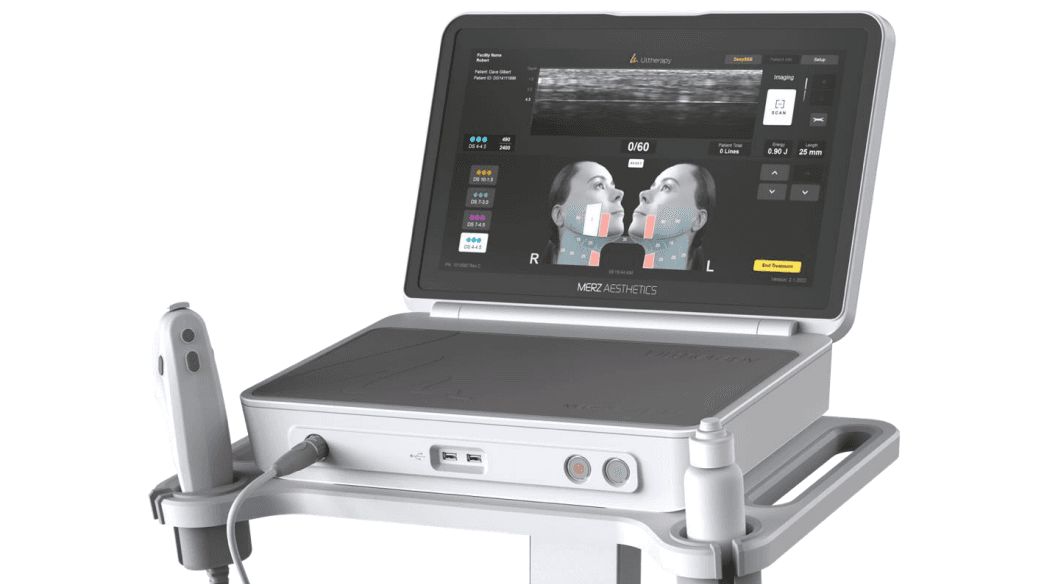
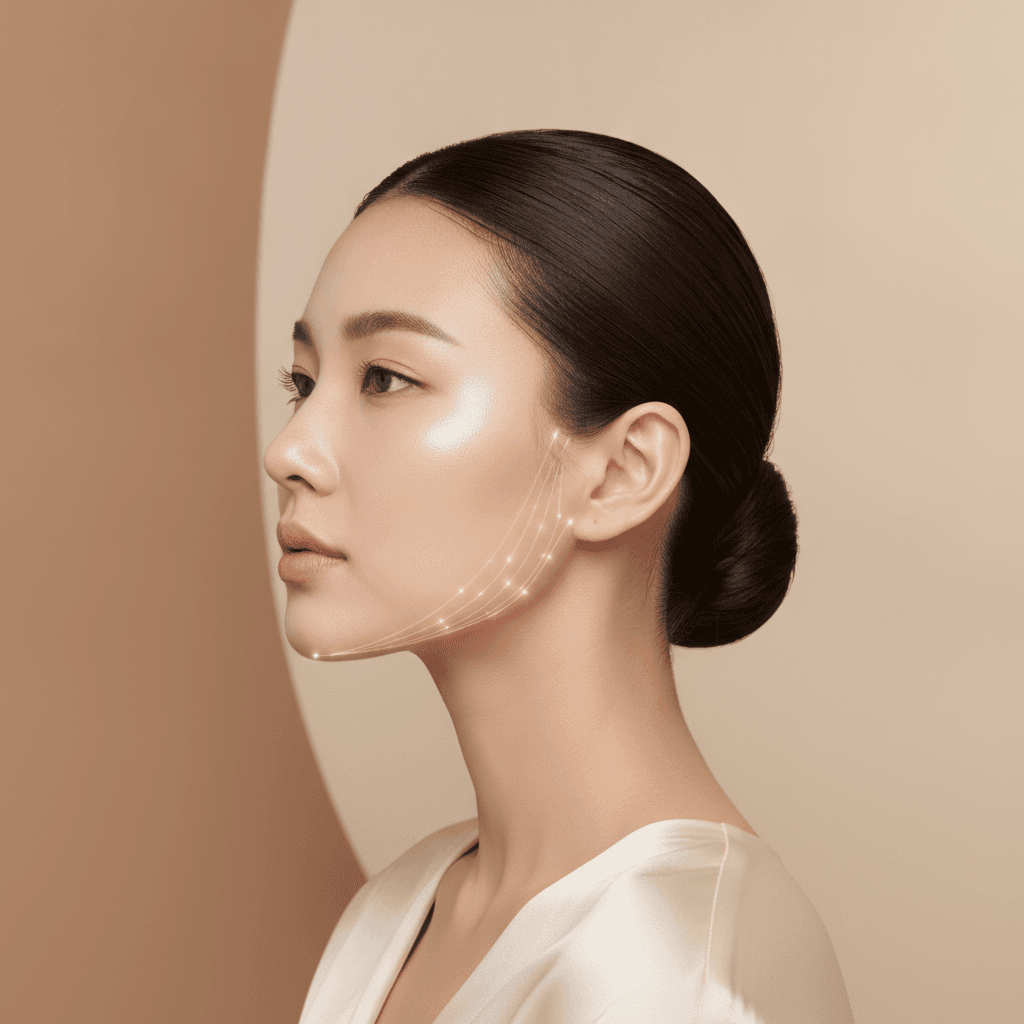
Ultherapy uses micro-focused ultrasound to deliver heat deep beneath the skin — down to the SMAS layer, which is the same tissue plane a surgeon tightens during a facelift. That controlled heat triggers a wound-healing response, and your body answers by producing fresh collagen over the following weeks. The result is skin that gradually looks firmer, tighter and a little more lifted along the jaw, cheeks and brow.
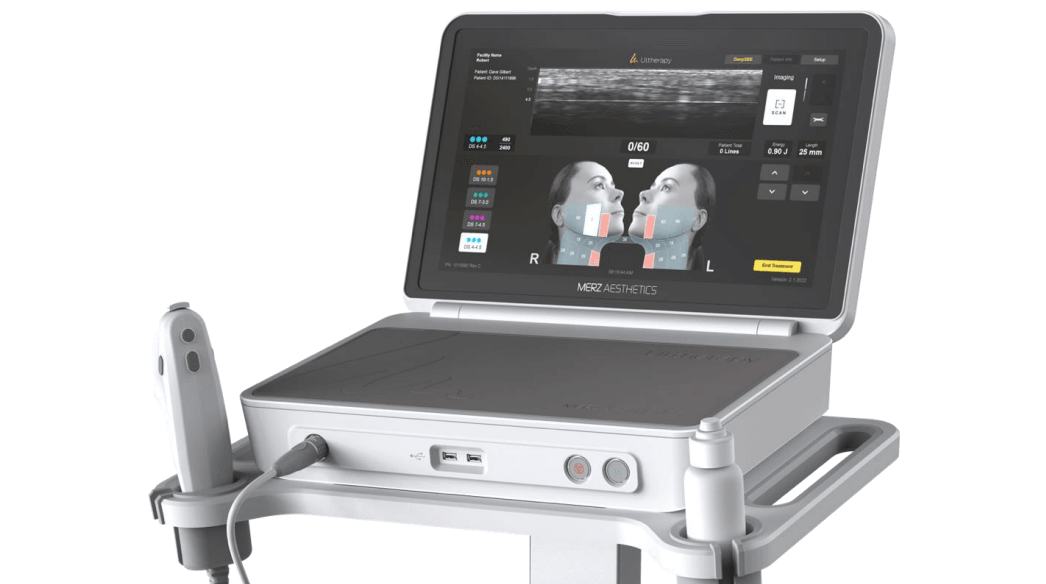
Here's the honest part: Ultherapy is a tightening and lifting treatment, not a magic eraser. It won't remove deep folds overnight, it won't add volume like a filler, and it won't replace surgery if you have a lot of loose, hanging skin. It's subtle, natural and gradual — which is exactly why so many patients love it.
Who it's really for
Ultherapy lifting works best when there's early-to-moderate laxity and you want a refreshed, tighter look without anyone knowing you had anything done. In my chair, the ideal candidates usually are:
- People in their 30s to 50s noticing the jawline softening or cheeks starting to droop.
- Those who want a preventive 'tune-up' before sagging becomes significant.
- Patients who cannot or don't want downtime — busy professionals and travelers.
- Anyone who wants to firm the brow, under-eye area or neck subtly.
- People who prefer stimulating their own collagen over injectables or surgery.
And who I steer elsewhere: if you have heavy, hanging skin or deep jowls, Ultherapy alone will disappoint you — a surgical facelift (which we don't perform here) would serve you better. If your main concern is volume loss or deep lines, fillers or threads may suit you more. I'll always say so at your consultation rather than sell you a treatment that won't deliver.
How it compares — an honest comparison
People often ask how Ultherapy stacks up against HIFU lifting in Korea, thread lifting, or surgery. Here's a simple guide — but the right choice is always decided in person.
In short: Ultherapy is the most precise non-surgical option because I can actually see the layer I'm treating with ultrasound imaging — but it rewards patience, not instant gratification.
Before and after: what's realistic
Let me set expectations clearly. On the day of treatment you won't walk out looking dramatically lifted — Ultherapy works quietly. Over the next 8–12 weeks, as new collagen forms, you'll notice a firmer jawline, a slightly lifted brow and tighter-looking skin. The change is natural enough that friends may just say you look 'well-rested.' Results vary from person to person, and factors like age, skin thickness and how much laxity you started with all matter.
Get a free 1:1 consultation
Message our English-speaking team — same price as locals, no pressure.
What to expect — step by step
- 1
1. Free consultation
I assess your skin laxity, discuss your goals honestly, and confirm whether Ultherapy is right for you or whether something else suits you better.
- 2
2. Numbing & prep
We cleanse the skin, map the treatment areas and apply numbing cream to keep you comfortable.
- 3
3. The session
Using real-time ultrasound imaging, I deliver focused energy along the planned lines. You'll feel brief warm pulses. A face typically takes around 30–60 minutes.
- 4
4. Back to your day
Mild redness or slight swelling may appear but fades fast. You can wear makeup, sightsee or fly the same day.
- 5
5. Results build over weeks
Collagen production ramps up over 2–3 months. This is when the lift and firmness truly show.
How we do it at Delphic — and why it matters
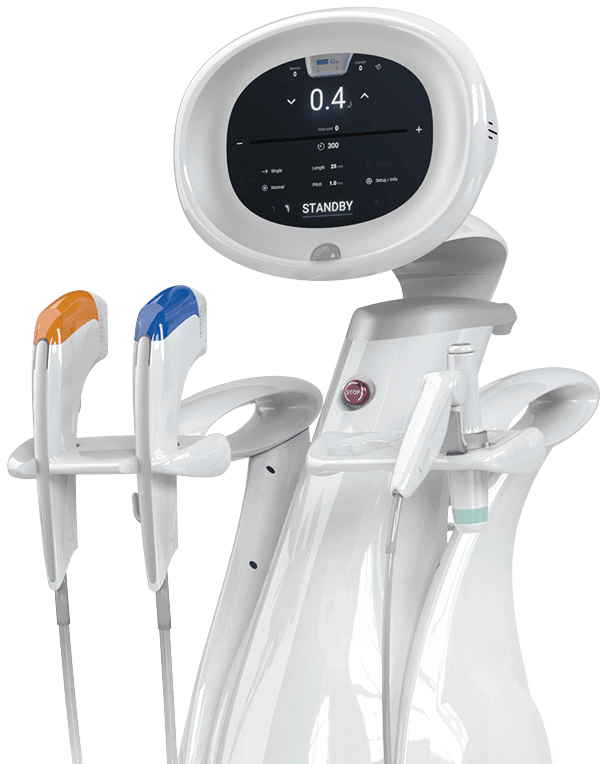
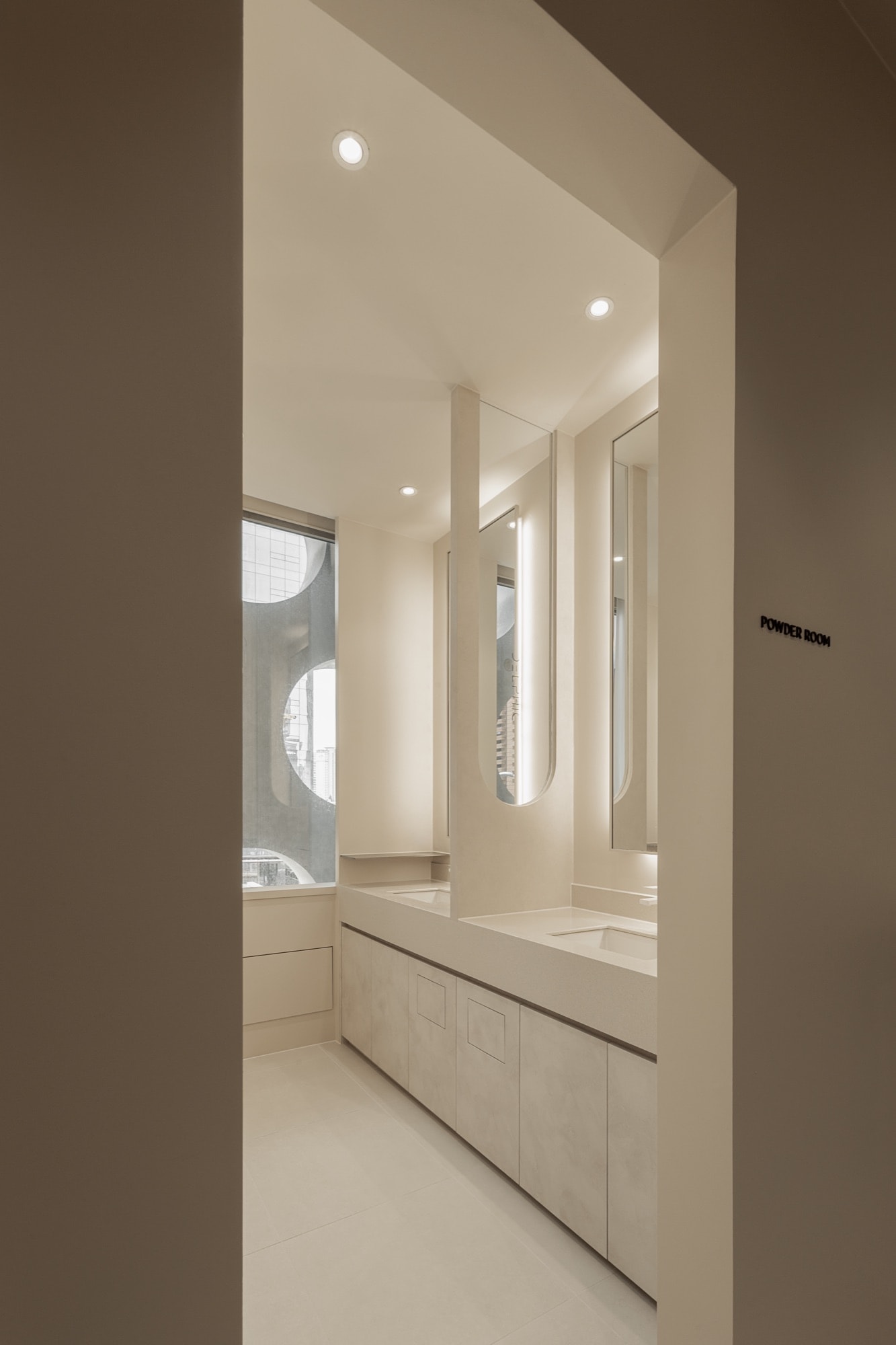
Ultherapy is only as good as the person holding the transducer. Because I can see the tissue layers on screen, I place energy where it counts and protect areas that shouldn't be treated. Every session here is doctor-led — I don't hand this off — and we use the genuine Ultherapy system, not an unbranded copy. That's the difference between a natural lift and a wasted trip.
How much does it cost in Korea?
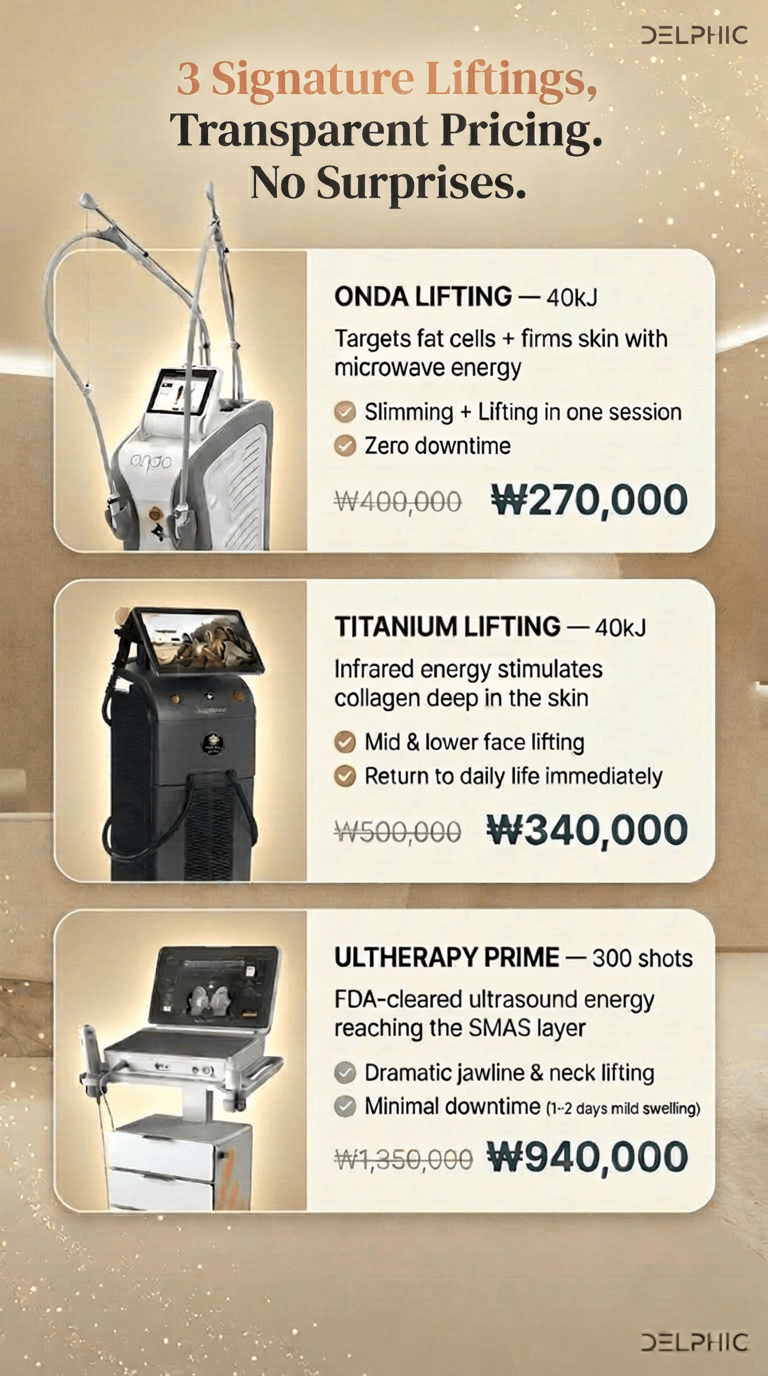
Cost depends on the area and number of shots, since more shots mean more coverage. To keep it transparent, here are our genuine prices:
| EYE Ultherapy Prime 200 shots | ₩1,350,000$980 |
| FACE Ultherapy Prime 300 shots | ₩1,350,000$980 |
| Ultherapy Prime 300 shots (First-visit trial) | ₩940,000$680 |
| Ultherapy Prime 100 shots | ₩450,000$330 |
Coming from overseas? Here's how we make it easy
We treat international patients every week. We have on-site English and Chinese interpreters, so nothing gets lost in translation. Ultherapy is one-day-friendly with no downtime, so you can fit it into a short Seoul trip. We're a direct walk from Sinnonhyeon Station Exit 3, and — worth repeating — you pay the same price a local pays.
Start with a free 1:1 consultation
For a closer look at a related question, see my notes on how much Ultherapy costs in Korea.
Verified Google reviews
4.7 · 260 Google reviewsI received ONDA lifting and Juvelook Skin treatment at Delpic Clinic. Before the procedure, Dr. K carefully examined my skin condition and explained everything in a kind and easy-to-understand way, which made me feel very comfortable and reassured. During the treatment, I could really tell that Dr. K was highly skilled, so I felt confident and at ease throughout the entire process. Overall, I was very satisfied with my experience. It’s definitely a clinic I would love to visit again.
Before you commit to anything, come in for a free 1:1 consultation. I'll look at your skin, tell you honestly whether Ultherapy will help you or whether another approach fits better, and answer every question. No pressure, no upselling — just clear medical advice.
Get a free 1:1 consultation
Message our English-speaking team — same price as locals, no pressure.
If you want a subtle, natural lift without going under the knife, Ultherapy may be exactly right for you — or it may not be, and I'll tell you either way. Come see me and let's find out together. — Dr. Hyunji Kim, Delphic Clinic, Gangnam, Seoul.
Frequently asked questions
Does Ultherapy hurt?
You'll feel brief bursts of deep heat as the ultrasound energy reaches the SMAS layer — most patients describe it as a warm, prickly pinch that comes and goes with each line. We apply numbing cream and can adjust settings for sensitive areas. It's very manageable, and it's over quickly.
How long do the results last?
Ultherapy stimulates your own collagen, so results build over 2–3 months and typically last 12–18 months, sometimes longer depending on your age, skin quality and lifestyle. Many patients repeat it once a year to maintain the lift.
How does it compare to HIFU or thread lifting?
Roughly: Ultherapy uses focused ultrasound with real-time imaging to target the SMAS precisely; HIFU devices are similar in concept but vary by machine; thread lifting gives a more immediate mechanical lift but is more invasive. We often combine or choose based on how much laxity you have.
Is there any downtime?
No real downtime. You might have slight redness, mild swelling or tenderness for a day or two, and occasionally small areas feel a bit sensitive for a week. Most people go straight back to work or sightseeing the same day.
How many sessions do I need?
Ultherapy is usually a single session per area, then repeated once a year for maintenance. It's not a series-based treatment like some skin boosters — one well-planned session does the work.
How much does Ultherapy cost in Korea?
See the price block in the article — Eye Ultherapy Prime (200 shots) and Face Ultherapy Prime (300 shots) are each ₩1,350,000. You pay the same price as a local Korean patient, with no foreigner mark-up.
Written by
Dr. Hyunji Kim
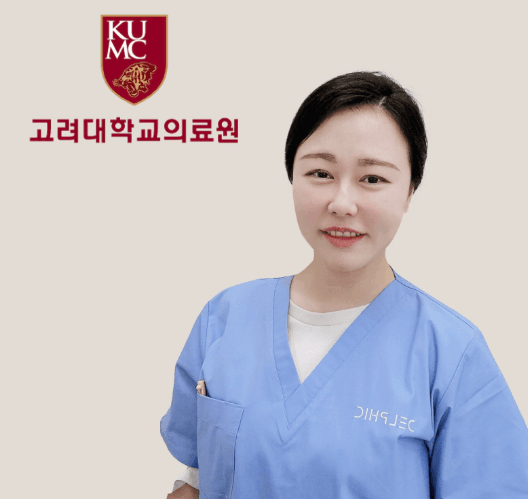
Dr. Hyunji Kim is the director and lead physician at Delphic Clinic in Gangnam, Seoul. She trained at Korea University Medical Center and personally performs consultations and procedures for both local and international patients.
Read next

Lifting
How Much Is Ultherapy in Korea: A Gangnam Doctor's Honest First-Timer's Guide
"Is Ultherapy worth flying for?" I get asked this weekly. Here's my honest answer, from a Gangnam clinic.
Lifting
Ultherapy Korea Price: What You Really Pay for a Non-Surgical Lift — A Gangnam Doctor's Honest Value Guide
"How much should Ultherapy really cost in Korea?" I get asked weekly — here's the honest breakdown, from a Gangnam clinic.

Lifting
Ultherapy Before and After Korea: My Honest Recovery & Aftercare Guide — From a Gangnam Doctor
"How long will I need to hide after Ultherapy?" I get this weekly. Here's the honest recovery timeline, from a Gangnam clinic.