
Why do korean women have such beautiful skin, and what a three-night visitor can actually try
Dr. Hyunji Kim
2026-10-208 min read
Medically reviewed by Dr. Hyunji Kim (Director · Lead Physician) · Last reviewed · Edited by Dr. Hyunji Kim
The short answer to "why do korean women have such beautiful skin" is habit kept up for years: daily sunscreen, staying out of strong sun, a mild cleansing routine, and small clinic treatments with little or no downtime, all on top of the skin they were born with. If you want to try one of those treatments on a short trip to Seoul, the worry is usually practical: will my face still be red, puffy or bruised when I board the flight home?
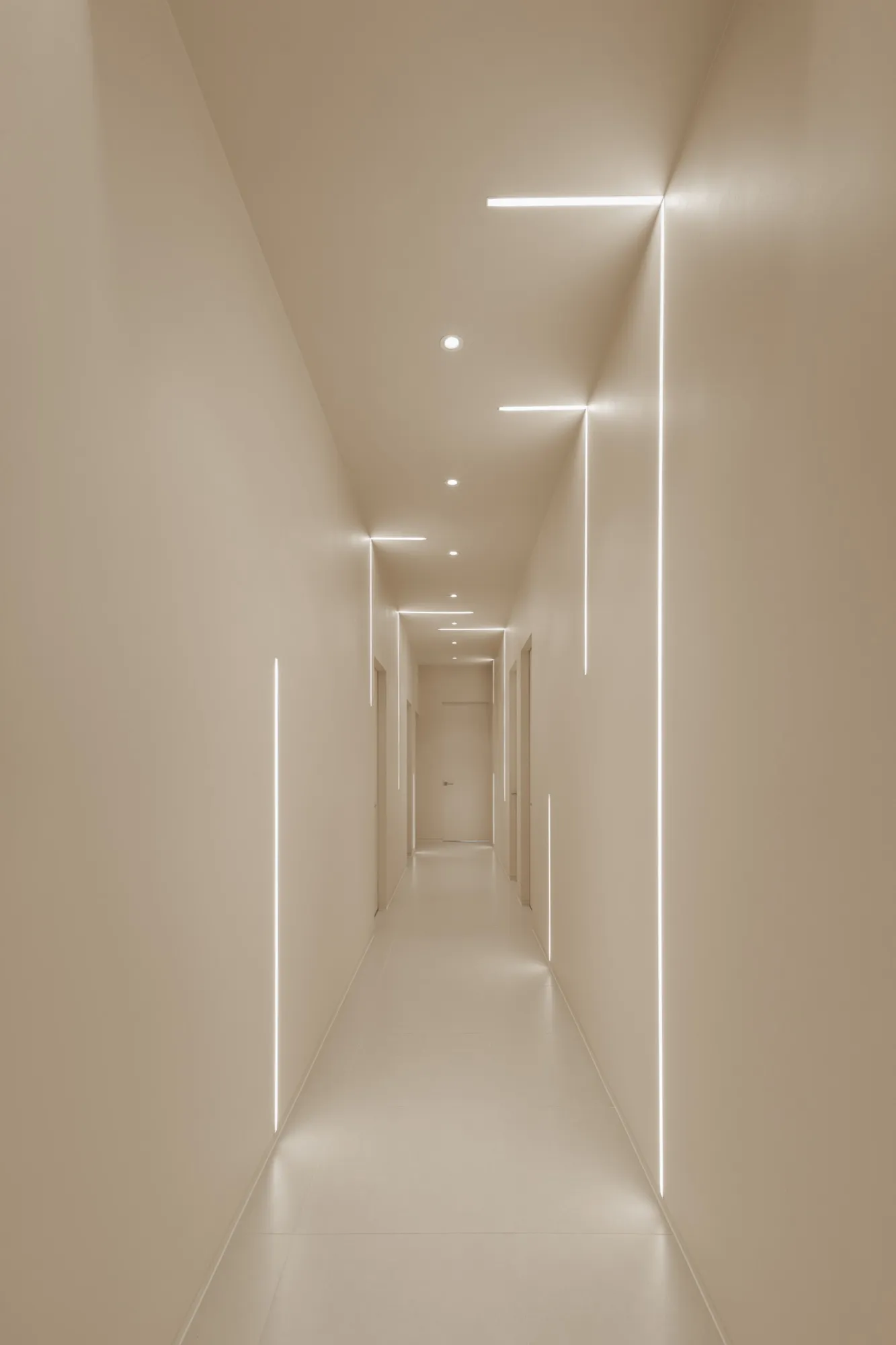
Which treatment you choose and which day of the trip you book it answer most of that. At Delphic Clinic, right by Exit 3 of Sinnonhyeon Station in Gangnam, treatment can happen the same day as the consultation, and weekday hours run until 21:00, so an evening after sightseeing can work.
I'm Dr. Hyunji Kim, Director · Lead Physician at Delphic Clinic. My background: Korea University Medical Center; Member, Korean Society for Laser Dermatology & Hair. "Why does everyone here have such clear skin?" is a question visitors bring into the consultation room, and a second one tends to follow: what could I fit into my own trip?
In short:
- Most of the look comes from sun protection and a steady routine. A single procedure doesn't create it.
- Skin tone is largely inherited. Clinic treatments can even out spots and redness; they leave your base color alone.
- Treatments the clinic lists as same-day return fit a three-night trip. Anything with one to three days of recovery belongs at the start of a longer stay.
- At Delphic, a doctor performs the treatment directly, and English interpretation is on staff.
If one treatment is already on your mind, send your arrival and departure dates plus the single question that's holding you back on WhatsApp.
Get a free 1:1 consultation
Message our English-speaking team — same price as locals, no pressure.
Is it genetics or habit?
Both, and habit does more of the visible work than most visitors expect. Genes set your starting point: base tone, how oily you run, how easily you tan or freckle. What people notice as Korean skin (even tone, few dark spots, a smooth surface) tracks closely with how much sun the face has taken over the years.
Walk around Seoul in July and you'll see what that looks like in practice: wide-brimmed hats, UV umbrellas, sunscreen reapplied at lunch, arm sleeves on cyclists. None of it is exotic. It's simply done every day, starting young.
The routine part is often misread as "ten steps". A short routine you keep for a decade does more than an elaborate one you drop after a month.
Why do Korean people often look so fair?
Mostly inheritance plus sun avoidance. Skin color is set largely by genes, and staying out of strong UV keeps skin from darkening and from collecting spots over time.
Clinic "whitening" menus work on pigment you've added since then: sun spots, post-acne marks, uneven patches. None of them change the color you were born with, and a good clinic won't pretend otherwise. I've set out where that line sits in what a Korean skin whitening treatment can realistically change.
Why do Korean men have so little facial hair?
Facial hair density differs a lot between populations and between families, and many East Asian men naturally grow finer, sparser beards. Some of what you see is removal: laser hair removal is common here for men and women, and Delphic's menu includes female facial hair removal alongside full-body options.
The physics explains who it works for. According to the NIH StatPearls review of laser hair removal, the laser targets melanin in the hair, so dark hair on lighter skin responds most predictably, while blond, grey or red hair responds poorly. The same review explains why several sessions spaced weeks apart are needed: only hairs in the active growth phase respond at any one time. One trip gets you session one; the lasting reduction builds over months.
Risks and side effects to know
After a session, temporary redness and small bumps around the follicles are commonly reported, usually fading within hours to a day or two. Tanned or sunburned skin is a reason to postpone, since darker or recently tanned skin carries a higher risk of pigment changes after laser.
Downtime, treatment by treatment
The clinic's own menu lists how long each treatment keeps you out of circulation. Here's how those listings map onto a short stay.
Same-day return means you can go back to your day. It doesn't mean nothing shows. Any injection can leave a small bruise or bump in some people, and lasers can leave skin pink for a while, so read the listing as the minimum. If glass-skin texture is the goal, these are usually combined over several visits; what a doctor actually does to work toward glass skin shows how such a plan is put together.
Who doesn't need to come, and who these treatments don't suit
If your skin is calm and even and you already wear sunscreen daily, you don't need a clinic to get closer to Korean skin. The habits above are most of it, and they travel with you.
Hold off on clinic treatments, or skip them, if any of these apply:
- a sunburn or fresh tan on the face, especially before laser or pigment treatments;
- an active cold sore, infection or open breakout where the treatment would go;
- pregnancy or breastfeeding, when elective injections and lasers are generally deferred;
- a history of keloids or thick scarring;
- a mole that itches, bleeds or has changed shape, which needs a doctor's look before anyone treats around it (when an itchy mole should be checked first).
If breakouts are the main issue, what an acne session in a Seoul clinic involves is a better starting point than a glow treatment.
The common side effects are temporary: redness, swelling, small bruises at injection points, tightness or dryness after lasers. Less often, pigment can darken after laser, particularly on tanned or darker skin, and infection is possible after any treatment that breaks the skin. How much shows and for how long varies between people, and whether a treatment suits you is decided at the in-person consultation.
How many nights should you plan around one treatment?
For a same-day-return treatment, three nights is usually enough, with the appointment on day one or two. For anything listed with one to three days of recovery, such as Rejuran, plan five nights or more and book it in the first 48 hours, so day three onward is for settling and sightseeing.
Then the calendar details that catch people out:
- Sundays are closed. Saturday hours end at 17:00, so if you land on Saturday afternoon, your first realistic slot may be Monday.
- Weekday evenings help. Monday to Friday the clinic is open until 21:00, so a treatment after a day out doesn't cost you a morning.
- Two weeks won't hold two Rejuran sessions. The clinic lists a 2–3 week interval between Rejuran sessions, so a 14-night stay usually fits one, with any second session on a later trip.
- Laser goes after the beach. If the trip includes beaches or hiking, schedule laser treatments once the outdoor days are done.
For what changes over the weeks and months after you're home, see a realistic timeline for glass-skin treatment.
Verified Google reviews
4.7 · 260 Google reviewsI received ONDA lifting and Juvelook Skin treatment at Delpic Clinic. Before the procedure, Dr. K carefully examined my skin condition and explained everything in a kind and easy-to-understand way, which made me feel very comfortable and reassured. During the treatment, I could really tell that Dr. K was highly skilled, so I felt confident and at ease throughout the entire process. Overall, I was very satisfied with my experience. It’s definitely a clinic I would love to visit again.
I had a really great experience at Delphic Clinic. The staff were very friendly and made me feel comfortable from the moment I walked in. They explained everything clearly in English and didn’t try to oversell unnecessary treatments, which I really appreciated. The clinic is very clean and modern, and the whole process felt professional and well-organized. Overall, I would definitely recommend this clinic, especially if you’re a foreigner looking for a trustworthy place in Korea.
Send the dates you land and leave, and which row of the table you're looking at, on WhatsApp. You can write in English; once the clinic confirms your consultation time, you'll know which day the treatment sits on and can build the rest of the trip around it.
Get a free 1:1 consultation
Message our English-speaking team — same price as locals, no pressure.
A five-question check before you book
Answer these before you message any clinic, including ours:
- How many full days sit between the treatment and your flight home?
- Will you spend the days after outdoors in strong sun?
- Is there a sunburn, cold sore or active breakout on your face right now?
- Are you pregnant, breastfeeding, or taking anything that affects bleeding or healing?
- Do you want one visible change this trip, or a routine you can keep at home?
If your answer to question 5 is a routine, the clinic visit matters less than the sunscreen you pack. If it's one visible change, question 1 decides which row of the table is realistic.
The CDC's guidance for medical travelers recommends keeping copies of records of what was done abroad. Note the name of the treatment and product, and keep it with your travel documents, so a doctor at home can see it if you ever need follow-up.
The 1:1 consultation takes place in person at Delphic Clinic, right by Exit 3 of Sinnonhyeon Station, with English interpretation on staff, and a doctor performs the treatment the same day if it's a fit. Details for your own skin are confirmed in that consultation. Send your five answers and your travel dates on WhatsApp, and you'll have a confirmed consultation time to plan the trip around.
Frequently asked questions
Is Korean skin naturally better than other skin?
Not in any medical sense. Genes shape tone, oiliness and how easily skin freckles, but the even, spot-free look people admire comes largely from avoiding sun damage over decades. Anyone who starts protecting their skin keeps more of that evenness over time.
Can one clinic treatment give me Korean-style skin?
One session can make skin look fresher for a while, especially hydration-focused treatments. The lasting part comes from repeated sessions and daily sun protection over months. Treat a trip treatment as a start and your routine at home as what keeps it going.
Is it okay to fly right after a skin treatment?
Flying doesn't usually interfere with healing, but cabin air is dry and treated skin can feel tight. Moisturize, avoid makeup on fresh injection points where you can, and stay out of strong sun at your destination.
Do Korean men really not grow facial hair?
Many do, though often finer and sparser than in some other populations, and some remove it with laser. Hair density differs a lot within Korea too, from family to family.
Can I book a skin treatment in Seoul on a Sunday?
Delphic Clinic is closed on Sundays. Weekday hours are 10:30–21:00 and Saturday hours 10:30–17:00, so a Friday evening or Saturday morning slot can suit a weekend trip.
Written by
Dr. Hyunji Kim
Dr. Hyunji Kim is the director and lead physician at Delphic Clinic in Gangnam, Seoul. She trained at Korea University Medical Center and personally performs consultations and procedures for both local and international patients.
Read next
Skin & acne
Will korean stretch mark treatment fade old silver marks? The risks and limits first
Korean stretch mark treatment can make marks flatter and closer to your skin color over several sessions, but it doesn't erase them, and older silver marks usually change less than newer red ones.
Skin & acne
Is over the counter acne treatment korea pharmacies sell enough? Often for mild acne, rarely for deep cysts
If you typed over the counter acne treatment korea because a breakout showed up halfway through your trip, the short answer is yes: Korean pharmacies and drugstores sell spot gels, gentle washes and pimple patches, and for blackheads, whiteheads and a few small red bumps that may be all you need.
Skin & acne
Scar check first, flight second: timing a korean vaccine scar treatment around your trip
A korean vaccine scar, usually a sunken BCG or smallpox mark on the upper arm, is treated with RF microneedling or fractional laser over several sessions weeks apart, and the arm is usually fine to fly on the next day.