
The "best korean skin booster" myth: what forum threads can't see in your skin

Dr. Hyunji Kim
2026-10-157 min read
Medically reviewed by Dr. Hyunji Kim (Director · Lead Physician) · Last reviewed · Edited by Dr. Hyunji Kim
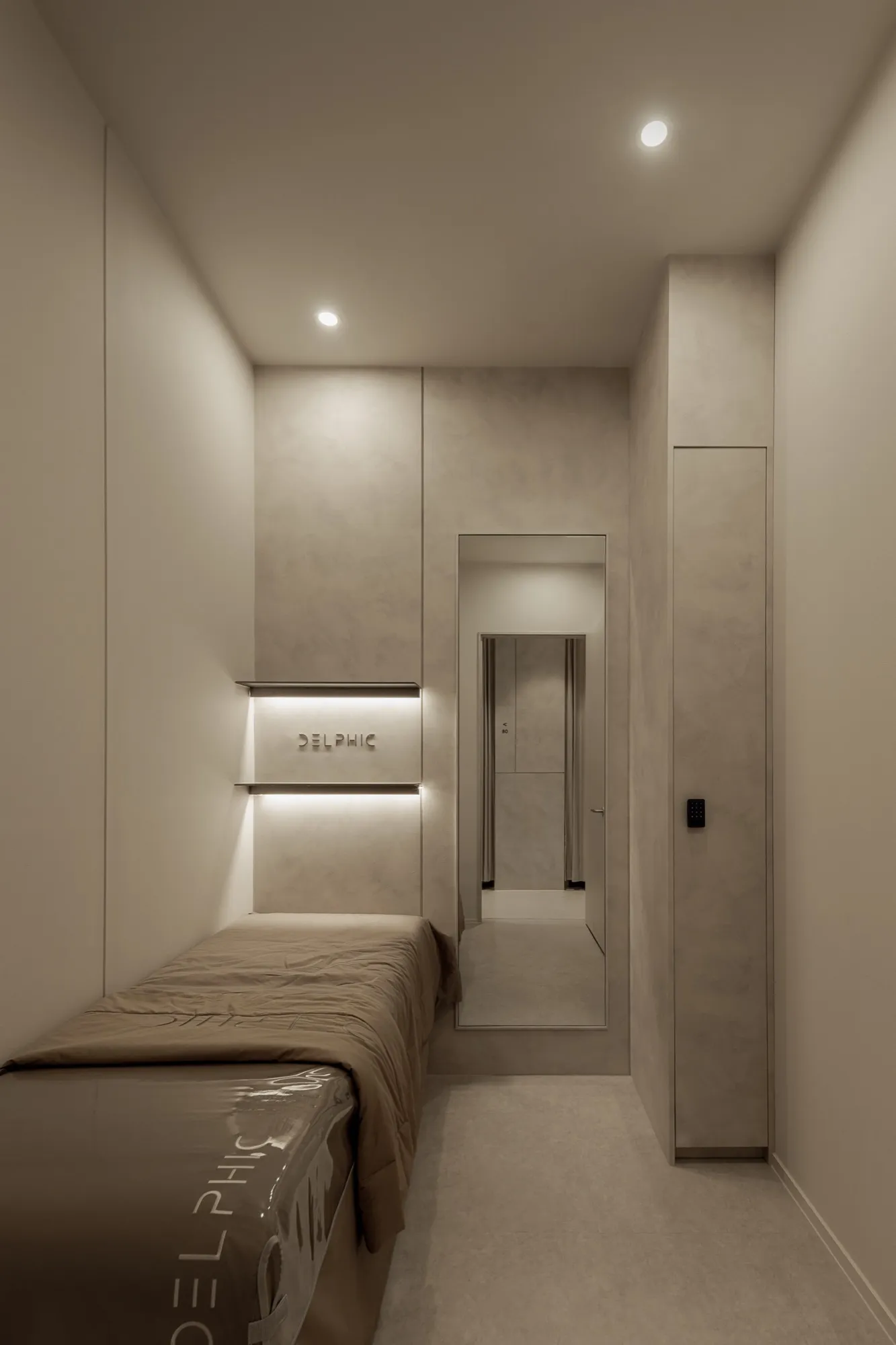
There is no single best korean skin booster; the one that suits you depends on what your skin is short of (water, repair, or texture support) and on how many days you have before your flight. Most people who read the threads also carry a quieter worry: what if the small injection bumps are still visible when I board the plane home, and who do I ask once I'm back? At Delphic Clinic in Gangnam a doctor performs the injection directly and English interpreters are on site.
I'm Dr. Hyunji Kim, Director · Lead Physician at Delphic Clinic. My training background is Korea University Medical Center, and I'm a member of the Korean Academy of Aesthetic Surgery & Laser Medicine and the Korean Society for Laser Dermatology & Hair. "Which booster is the best one?" is a question I hear in consultation all the time, often from someone holding a Reddit thread on their phone.
- Boosters differ by material: polynucleotide (Rejuran), PDRN, hyaluronic acid (SkinVive) and exosome products each target a different problem.
- Thread rankings describe the poster's skin and trip, which may look nothing like yours.
- Downtime matters more for travelers than brand: Rejuran is listed with 1–3 days of recovery, SkinVive with same-day return.
- At Delphic, a doctor injects, interpreters are on site, and Korean and international patients pay the same.
If you're still comparing threads, send two things on WhatsApp: a daylight photo of your bare skin and the dates you'll be in Seoul.
Get a free 1:1 consultation
Message our English-speaking team — same price as locals, no pressure.
Why do the threads name a different booster every month?
Because each post reports one person's skin, one product and one trip. A dry-skinned poster who loved a hydrating booster and an acne-scarred poster who loved a polynucleotide booster are both telling the truth, and neither result transfers to you.
Forum threads are good at the first week: how much it stung, how long the bumps lasted, whether makeup covered them. They are weak at month three, when the slower changes in texture would show, and they rarely mention what the poster's skin looked like before. A thread can tell you that a product was tolerable. It can't tell you whether your own shortage is water, repair or texture.
There's also a naming problem. "Salmon injection", "PDRN", "PN" and "Rejuran" get used as if they were one thing. A review in Pharmaceutics comparing polynucleotide and polydeoxyribonucleotide describes them as related DNA-fragment materials that differ in fragment size and in how they behave in tissue, which is why doctors don't treat them as interchangeable.
Which booster families are on the Seoul menu?
A skin booster here means a small-volume injection into the upper skin layers, placed in many points across the face. The families below are on Delphic's treatment menu; the right column is what each is usually chosen for, not a promise of what it will do on your face.
A systematic review in the Journal of Cosmetic Dermatology found that injectable polynucleotides generally improved measures of skin quality, with side effects that were mostly mild and short-lived, while noting that study designs vary a lot. If Rejuran is already your front-runner, my longer Rejuran skin booster guide goes through how it's injected.
Juvelook sits on the menu too, but it works as a collagen-stimulating booster with its own timeline; I've covered it separately in the Juvelook guide.
What a doctor reads in your skin before choosing
A doctor chooses a booster from what the skin shows under good light, plus how it behaves when you move.
Thin skin that creases finely when you smile reads as a repair problem. Skin that feels tight and flakes by afternoon reads as a water problem. Wide pores with rolling acne scars read as a texture problem that a booster alone rarely fixes, so an energy device such as Potenza or Fraxel is usually discussed alongside it.
Redness and reactivity change the plan as well. Skin that flushes after a cleanser or breaks out around the jaw often does better starting with a calmer option before anything more stimulating.
Can a skin booster give you "glass skin"?
Partly. A booster can make skin look more hydrated and even in texture, which is a large share of the glass-skin look. Clear tone, small pores and calm redness usually need other steps, which is why clinics in Seoul often pair boosters with toning or soothing care on the same day.
Delphic's One-Day Skin Booster Package [1], for example, combines Rejuran Healer 4cc, Exosome 5cc, LDM in Hydration Soothing Mode and a modeling pack in one visit. Whether a combination like that suits you is a consultation question. For what changes in the first days versus the first months, see the glass skin timeline.
Questions to send any Korean clinic before booking
Here's a checklist you can copy into a message to any clinic you're considering, including ours. Good answers are specific; vague ones are worth a second message.
- Who performs the injection: a doctor, and is it the same doctor I consult with?
- Which exact product will you use, and can I see the box or label before it's opened?
- How many days of visible bumps or redness should I expect with that product?
- Can the injection go on my first full day in Seoul rather than my last?
- If you suggest combining it with a laser, why that pairing for my skin?
- Will an interpreter be in the room for the whole consultation?
- If a bump or bruise is still there after I fly home, who do I contact?
For the record, two of those answers at Delphic come straight from the clinic's stated policies: a doctor performs the treatment, and English and Chinese interpreters are on site. If language is your biggest hesitation, this piece on interpreted consultations in Seoul shows how that works in practice.
Risks, and who should skip a booster on this trip
The usual effects are small raised bumps at the injection points, redness, swelling, tenderness and occasional bruising. The U.S. Food and Drug Administration's page on dermal fillers, which covers hyaluronic acid injectables like SkinVive, lists these as common and also describes rare serious events such as product entering a blood vessel.
Rarer problems include infection, lumps that persist, and allergic reactions. People with a fish or salmon allergy should raise it before any salmon-derived product is considered. Pregnancy, an active skin infection or a flare of eczema in the area are common reasons doctors postpone. How your skin responds varies from person to person, and the in-person exam decides if you're suited at all.
Who a booster doesn't fit, or when you don't need to come for one:
- Your main concern is sagging along the jaw. That's a lifting question (Ulthera, Thermage FLX, Onda, Titanium), and a booster won't lift.
- Your skin is comfortable and you only want upkeep. A routine with sunscreen and a moisturizer at home may be enough.
- You land the evening before a wedding or a photo shoot. Visible bumps on the day aren't worth it.
- You can't tell the clinic which products you've had injected before. Get those records first.
How do you fit a booster into a short Seoul trip?
Book the injection early, not on your last afternoon. Same-day treatment is possible at Delphic after the 1:1 consultation.
A typical plan is consultation and injection on your first full day, then two or three days before the flight for any bumps to settle. SkinVive is listed with same-day return, which gives more room; Rejuran's 1–3 days gives less.
The clinic is open Mon–Fri 10:30–21:00 and Sat 10:30–17:00, and closed on Sundays, so a Sunday arrival works best with a Monday visit. Delphic is directly connected to Sinnonhyeon Station Exit 3 (Line 9 and Shinbundang Line), which keeps a weekday-evening slot realistic after a day of sightseeing. Rejuran's recommended interval is 2–3 weeks, so a single session on a short trip is a starting point; you can decide on further sessions later.
Verified Google reviews
4.7 · 260 Google reviewsI received ONDA lifting and Juvelook Skin treatment at Delpic Clinic. Before the procedure, Dr. K carefully examined my skin condition and explained everything in a kind and easy-to-understand way, which made me feel very comfortable and reassured. During the treatment, I could really tell that Dr. K was highly skilled, so I felt confident and at ease throughout the entire process. Overall, I was very satisfied with my experience. It’s definitely a clinic I would love to visit again.
I had a really great experience at Delphic Clinic. The staff were very friendly and made me feel comfortable from the moment I walked in. They explained everything clearly in English and didn’t try to oversell unnecessary treatments, which I really appreciated. The clinic is very clean and modern, and the whole process felt professional and well-organized. Overall, I would definitely recommend this clinic, especially if you’re a foreigner looking for a trustworthy place in Korea.
To make your dates useful, send them on WhatsApp together with how many days you have before your return flight.
Get a free 1:1 consultation
Message our English-speaking team — same price as locals, no pressure.
The one thing threads can't tell you
What your own skin is short of. That answer comes from seeing your face in person, with an interpreter beside you if you want one.
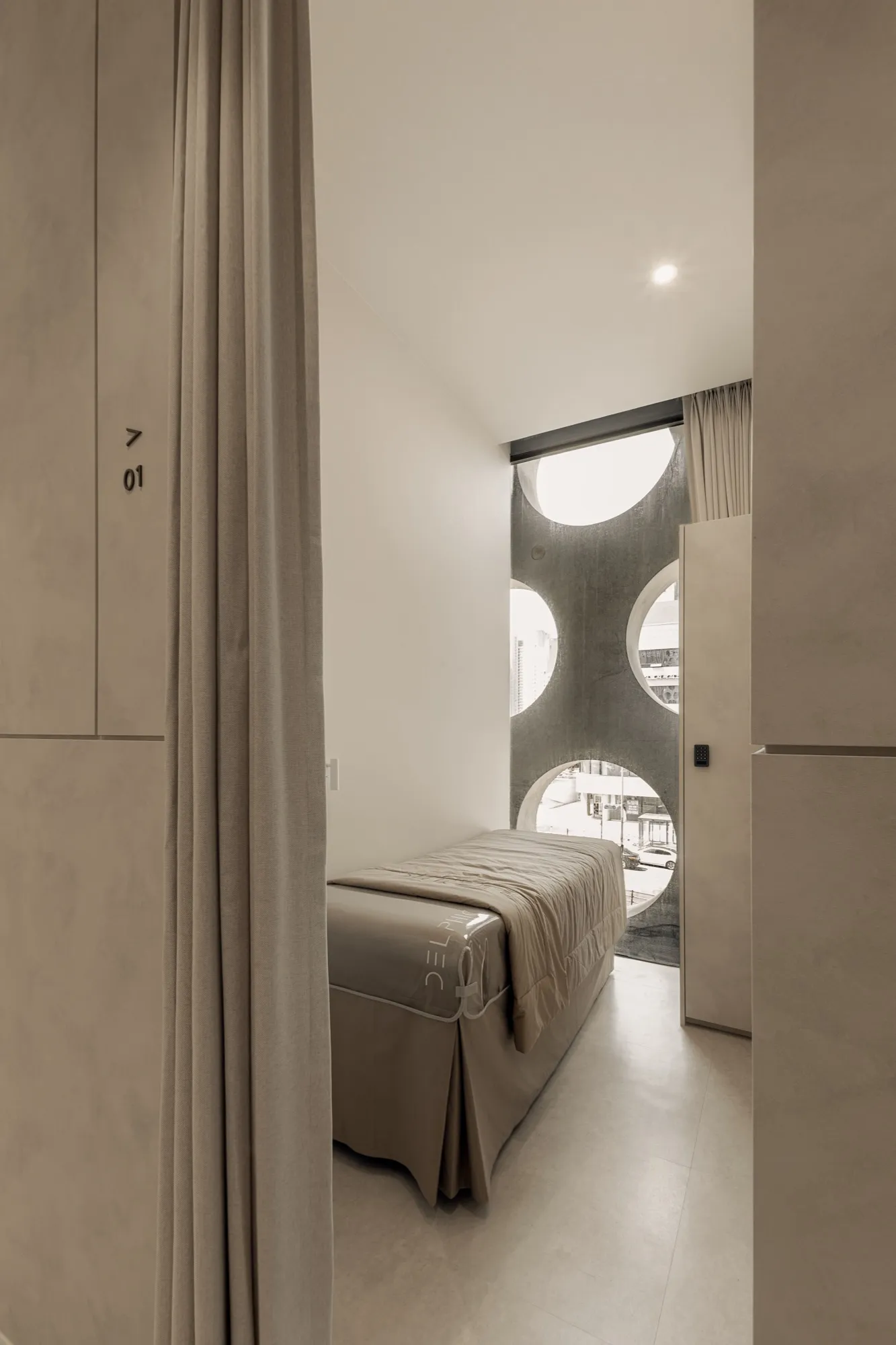
Delphic Clinic offers a 1:1 consultation with English and Chinese interpreters on site, at Sinnonhyeon Station Exit 3. Send a daylight photo of your bare skin, your travel dates and any boosters you've had before on WhatsApp; you'll hear back in English.
Frequently asked questions
Is Rejuran a skin booster or a filler?
Rejuran is a skin booster. It uses polynucleotide (PN), a material derived from salmon DNA, injected in small amounts into the upper skin layers to support repair, rather than to add volume the way a filler does.
Can I fly home the day after a skin booster in Seoul?
Flying is generally fine, but the small injection bumps may still show. Rejuran is listed with about 1–3 days of recovery and SkinVive with same-day return, so leaving a few days between the injection and the flight is the more comfortable plan.
Do Korean skin boosters hurt?
Most people describe stinging at each injection point. Delphic's menu includes a Rejuran line made for less discomfort, and SkinVive contains lidocaine; numbing is discussed at the consultation.
How many booster sessions does a visitor need?
Rejuran's recommended interval is 2–3 weeks, and many people plan more than one session. On a short trip, one session is a reasonable start, and further sessions can be planned around later visits.
Can a booster be combined with a laser on the same day in Korea?
Often, yes. Delphic's packages include combinations such as Potenza with exosome or PDRN, and Fraxel with PDRN. Whether a combination suits your skin is decided at the consultation.
Written by
Dr. Hyunji Kim
Dr. Hyunji Kim is the director and lead physician at Delphic Clinic in Gangnam, Seoul. She trained at Korea University Medical Center and personally performs consultations and procedures for both local and international patients.
Read next
Skin boosters
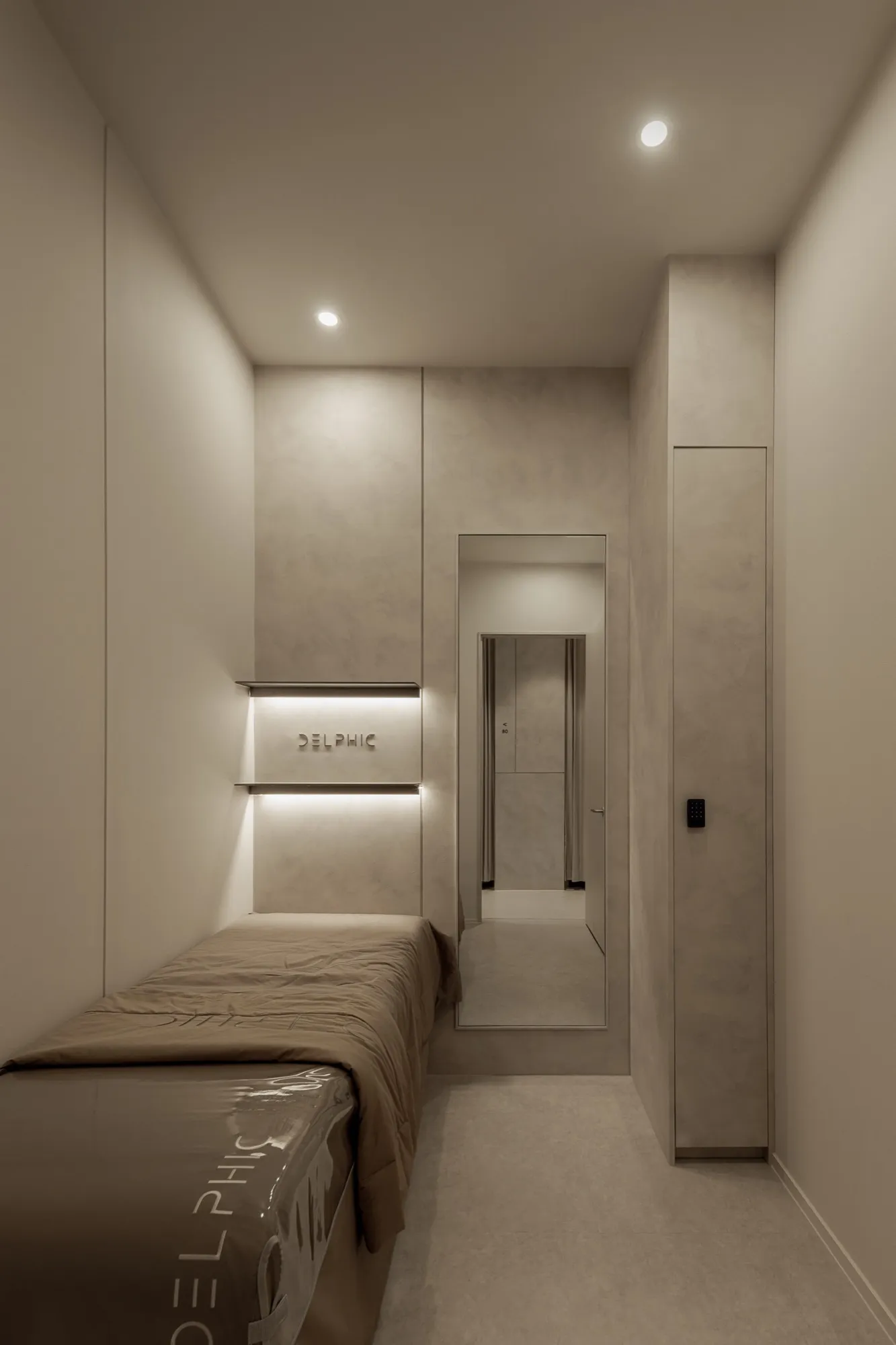
Can Korean skin boosters fit a four-day trip? Yes, if you count the bump days
Korean skin boosters are injections that deliver hydrating or repairing material into the dermis. On a short trip, pick the one whose downtime fits: SkinVive allows same-day return, Rejuran usually needs 1–3 days.
Skin boosters
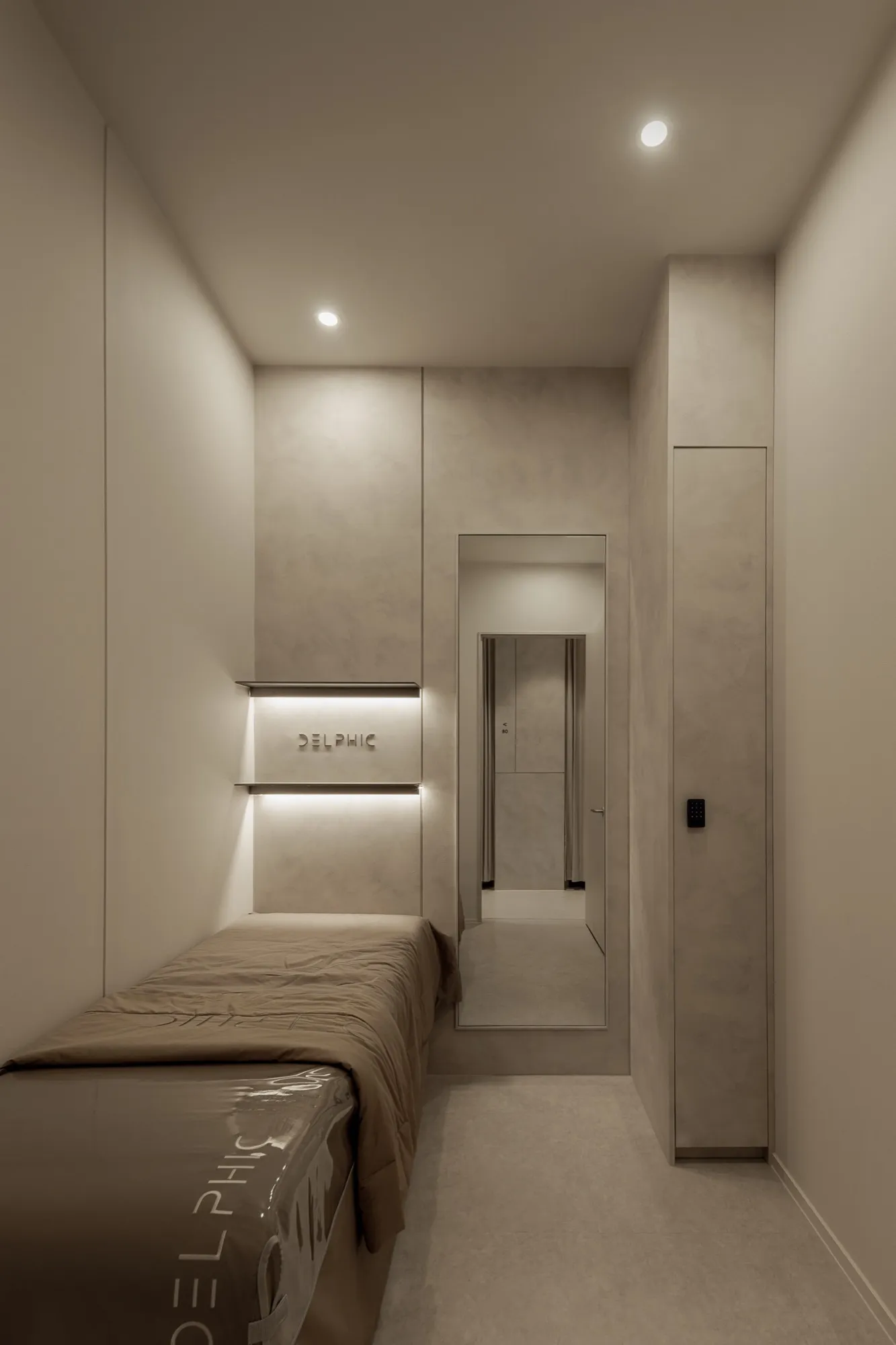
Korean Skin Booster Injection for Skin That Hydrating Shots Haven't Fixed
A Korean skin booster injection is not one product. Rejuran, the PDRN salmon injection, Juvelook and exosome boosters do different jobs, so the right one depends on whether your skin lacks water, repair or structure.

Skin boosters
Rejuran Aesthetic Korean Skin Repair in Malaysia or Seoul: Planning the Course Around Your Trip
Rejuran, the aesthetic Korean skin repair injection, is the same polynucleotide product in Malaysia and in Seoul. What changes is the plan: it works as a series weeks apart, so where you can attend every session matters most.