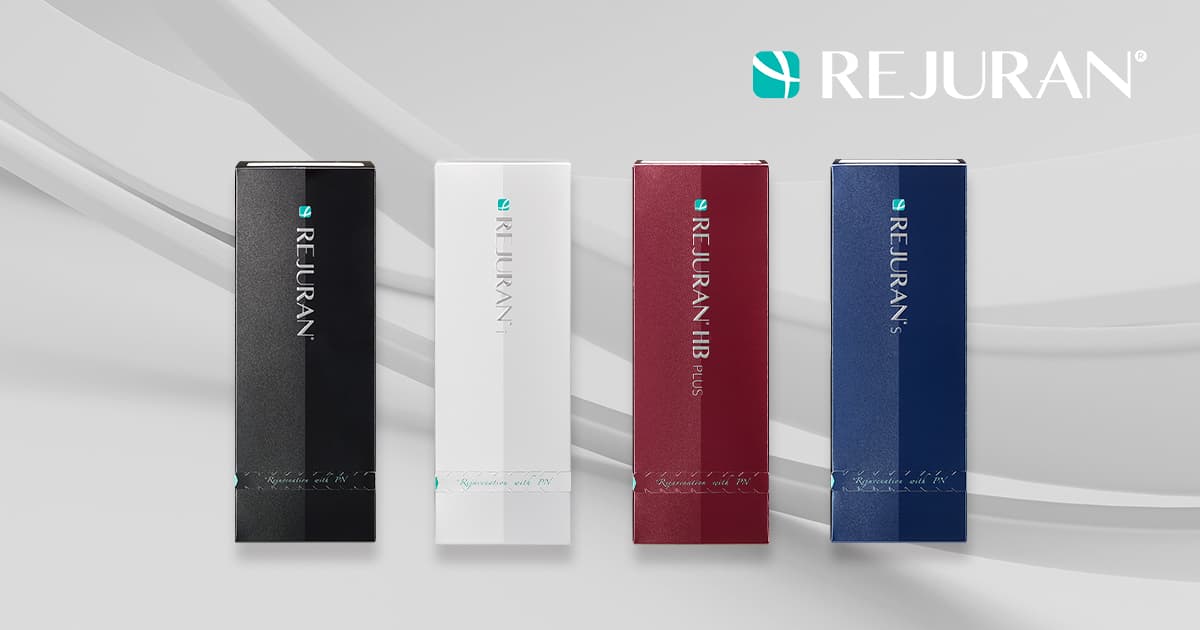
Rejuran Skin Booster Korea: How I Rebuild Skin From the Inside — A Gangnam Doctor's Honest Guide
Dr. Hyunji Kim
2026-08-068 min read
Medically reviewed by Dr. Hyunji Kim · Last reviewed
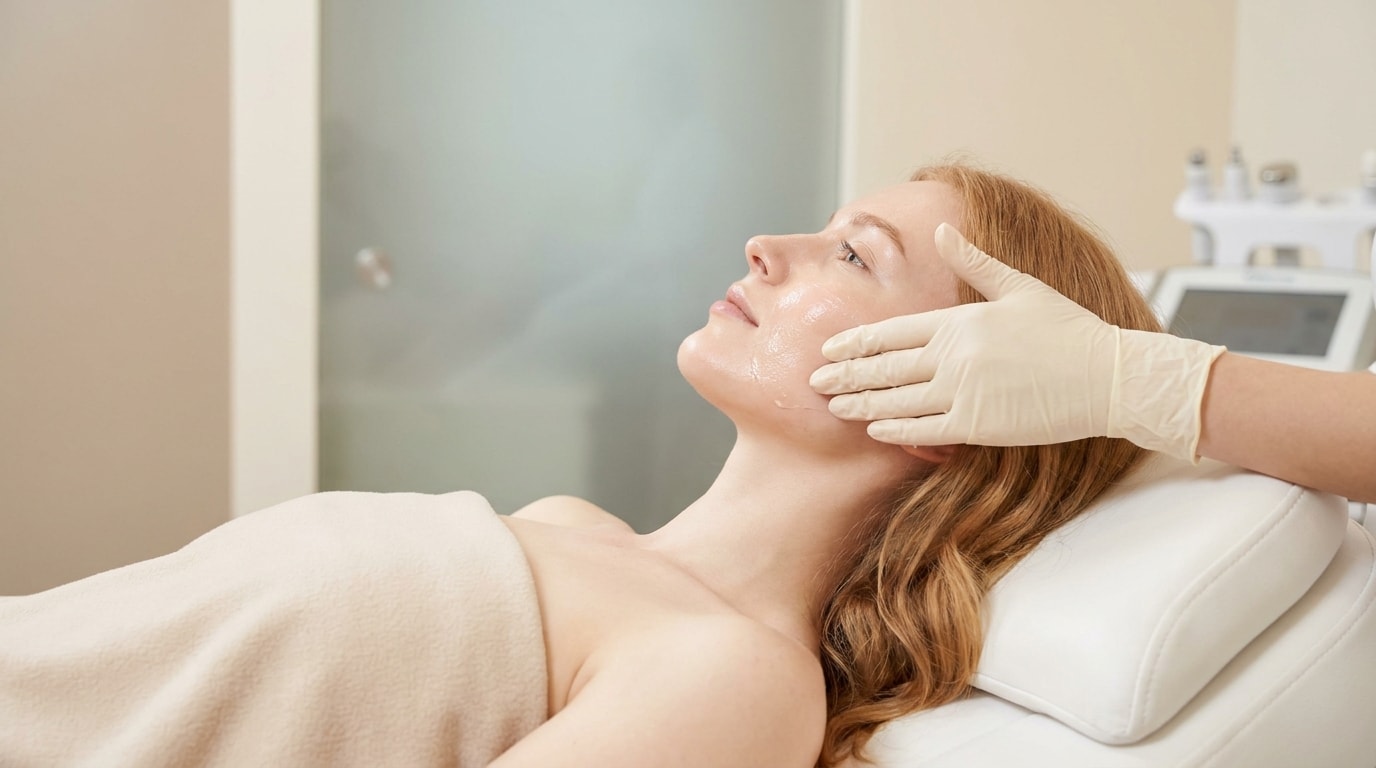
The rejuran skin booster in Korea has quietly become one of the treatments international patients fly in for the most — and for good reason. Unlike a filler that plumps or a laser that resurfaces, Rejuran works on the actual quality of your skin: how it heals, how elastic it is, how well it holds moisture. It's the treatment I reach for when someone says 'my skin just looks tired' rather than 'I want to change my face.'
I'm Dr. Hyunji Kim, director at Delphic Clinic in Gangnam. I've done thousands of Rejuran injection sessions in Seoul, and I want to give you the honest version — what it really does, who it genuinely suits, who I turn away, and what a first-timer should expect. No hype.
What it actually is — in plain language
Rejuran is made from polynucleotides (often written PN or PDRN) — purified DNA fragments derived from salmon that are highly compatible with human skin. Injected into the dermis, they act like a repair signal: encouraging your own cells to rebuild collagen, calm inflammation and improve the skin's ability to hold water. Over a few weeks your skin simply behaves younger — smoother texture, softer fine lines, a healthier glow. That's why I call it a 'skin quality' treatment rather than a cosmetic 'change.'
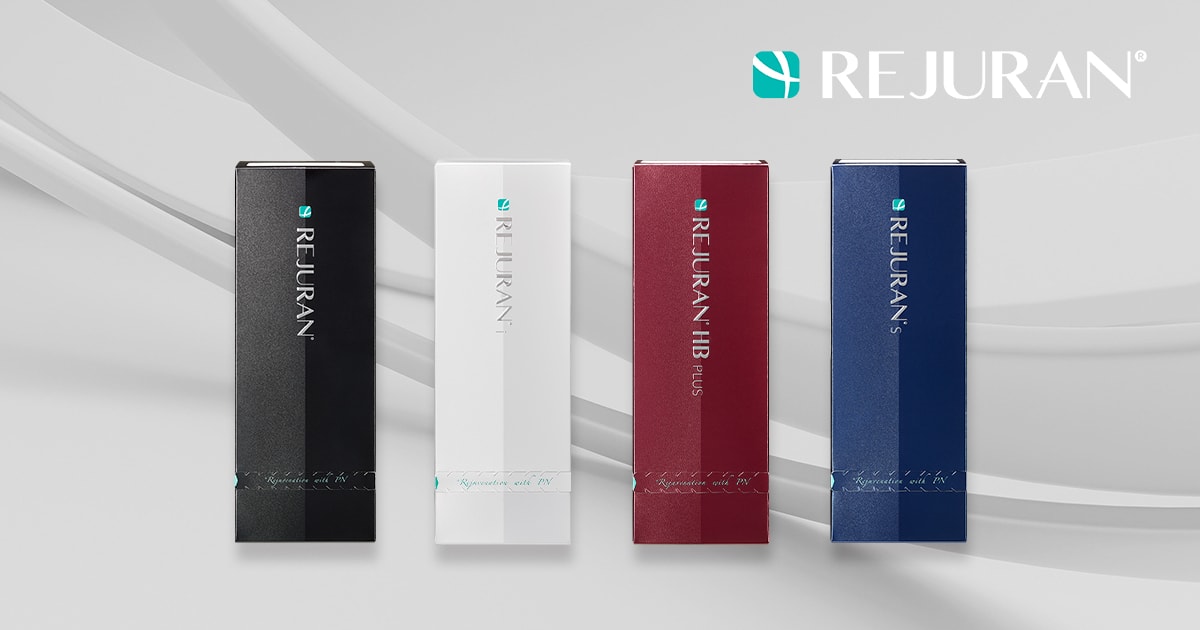
Here's the honest part: Rejuran is NOT a filler and NOT a face-lift. It won't sculpt your jawline, fill deep folds, or lift sagging skin. If you expect an instant dramatic transformation after one visit, you'll be disappointed. It's a slow, cumulative improvement — and that's exactly its strength.
Who it's really for
Rejuran shines for people whose main issue is skin quality rather than shape. The patients who thank me most are usually:
- People in their late 20s to 50s with dull, tired-looking or dehydrated skin.
- Those bothered by fine lines and 'crepey' texture — especially under the eyes and on the cheeks.
- Anyone with a compromised skin barrier: sensitivity, redness, or skin recovering from over-treatment.
- Patients with early acne scarring or uneven texture who want smoother skin over time.
- Frequent flyers and busy people who want a natural, gradual glow with minimal downtime.
And who I steer elsewhere: if your real concern is sagging or volume loss, Rejuran alone won't satisfy you — you'd want lifting or filler instead. If you need a fast fix before an event next week, this isn't it; the results take weeks. And if you're pregnant, breastfeeding, or have an active skin infection, we wait.
How it compares — an honest comparison
Rejuran often gets confused with hyaluronic-acid skin boosters and other injectables. They overlap but do different jobs — here's how I explain it to patients:
In short: Rejuran rebuilds, HA boosters hydrate, and filler adds volume. Many of my patients actually combine Rejuran with an HA booster — or choose Rejuran HB, which blends both — for the best of both worlds.
Before and after: what's realistic
Let me set honest expectations. After your first session, don't expect a mirror miracle — you might see a subtle glow, or nothing dramatic at all. The change happens over the course: by the second and third session, patients typically notice their skin feels firmer, looks more even, and 'bounces back' better. Fine lines soften rather than vanish. Makeup sits more smoothly. It's the kind of result friends notice as 'you look well' without knowing why — which is exactly what most people want.
Get a free 1:1 consultation
Message our English-speaking team — same price as locals, no pressure.
What to expect — step by step
- 1
1. Free consultation
We assess your skin, discuss your goals, and decide whether Rejuran (and which type — Healer, I, HB or S) genuinely fits, or whether something else suits you better. No pressure to book.
- 2
2. Numbing & prep
We cleanse and apply strong topical numbing cream for around 20–30 minutes so the injections are comfortable.
- 3
3. The session
I inject small amounts of Rejuran across the treatment area using a fine needle. It takes roughly 15–20 minutes. You'll feel small stings, not sharp pain.
- 4
4. Back to your day
You may have tiny bumps at each point and occasional minor bruising. Most patients head straight back out — sightseeing, meetings, dinner. Makeup the next day is usually fine.
- 5
5. Results build over weeks
Skin quality improves gradually over 2–6 weeks. We space sessions 2–4 weeks apart, usually 3–4 in total, then maintenance every few months.
How we do it at Delphic — and why it matters
Every Rejuran injection at Delphic is done by a doctor, not delegated — because injection depth, spacing and technique are what separate a smooth, even result from lumpy or wasted product. We use only genuine, properly stored Rejuran, and we're honest if we think you'd get more from a different treatment. That doctor-led, straight-talking approach is the whole point of coming here rather than chasing the cheapest deal online.
How much does it cost in Korea?
Rejuran pricing depends on which product and how many cc's suit your skin — Healer is the classic all-rounder, I is finer for delicate areas like under-eyes, and HB and S combine repair with extra hydration. Here are our genuine prices:
| Rejuran Healer 2cc | ₩350,000$250 |
| Rejuran I 1cc | ₩250,000$180 |
| Rejuran HB 1cc | ₩300,000$220 |
| Rejuran S 1cc | ₩300,000$220 |
| Painless Pain-free Rejuran 3cc | ₩350,000$250 |
| Painless Pain-free Rejuran 6cc | ₩600,000$430 |
| Painless Pain-free Rejuran Eye 3cc | ₩350,000$250 |
| Painless Pain-free Rejuvelook 5cc | ₩500,000$360 |
| Rejuran Healer 2cc (First-visit trial) | ₩178,000$130 |
| Rejuran Healer 2cc (Event price) | ₩187,000$140 |
| Session Rejuran Eye 1cc (First-visit trial) | ₩99,000$70 |
| Rejuran Eye 1cc (Event price) | ₩119,000$90 |
| Rejuran HB+ 1cc (Event price) | ₩169,000$120 |
| Rejuran S 1cc (Event price) | ₩169,000$120 |
| Lip Rejuran 1cc (Event price) | ₩198,000$140 |
Coming from overseas? Here's how we make it easy
We have on-site English and Chinese interpreters, so nothing gets lost in translation during your consultation or treatment. Rejuran is one-day-friendly — consult and treat in the same visit — and we're a direct, short walk from Sinnonhyeon Station Exit 3. You pay the same price as locals, and we'll help you plan spacing if you're returning for a full course while traveling.
Start with a free 1:1 consultation
Patients who ask me this often ask next about Rejuran for first-timers in Korea, which I answer separately.
Verified Google reviews
4.7 · 260 Google reviewsI received ONDA lifting and Juvelook Skin treatment at Delpic Clinic. Before the procedure, Dr. K carefully examined my skin condition and explained everything in a kind and easy-to-understand way, which made me feel very comfortable and reassured. During the treatment, I could really tell that Dr. K was highly skilled, so I felt confident and at ease throughout the entire process. Overall, I was very satisfied with my experience. It’s definitely a clinic I would love to visit again.
I had a really great experience at Delphic Clinic. The staff were very friendly and made me feel comfortable from the moment I walked in. They explained everything clearly in English and didn’t try to oversell unnecessary treatments, which I really appreciated. The clinic is very clean and modern, and the whole process felt professional and well-organized. Overall, I would definitely recommend this clinic, especially if you’re a foreigner looking for a trustworthy place in Korea.
The best way to know if Rejuran is right for you is a free, no-pressure 1:1 consultation. I'll look at your skin honestly and tell you if it fits — or if something else would serve you better. No obligation to book anything.

Get a free 1:1 consultation
Message our English-speaking team — same price as locals, no pressure.
Rejuran won't reshape your face — but if your goal is skin that simply looks healthier, calmer and more resilient, it's one of the most rewarding things we do. Come in, ask everything, and let's decide together. — Dr. Hyunji Kim, Delphic Clinic, Gangnam, Seoul.
Frequently asked questions
Does Rejuran hurt?
There's some discomfort — Rejuran is a series of small injections into the skin. We apply strong numbing cream first, and most patients rate it a mild, tolerable sting rather than pain. Sensitive areas like under the eyes feel a little more, but it's over in minutes.
How long does Rejuran last?
Because Rejuran works by improving your own skin quality rather than adding volume, results build gradually and then hold. After a full course of 3–4 sessions, most patients enjoy the improvement for 6–12 months before a maintenance top-up. It's not a permanent fix — skin keeps aging — but the base quality stays noticeably better.
How does Rejuran compare to Skinbooster (Juvederm Volite) or Chanel/Filorga?
Roughly: Rejuran (polynucleotides, PN/PDRN) works on healing and skin structure over time; hyaluronic-acid boosters like Volite hydrate and plump faster but do less for underlying repair. They're often used together. I decide based on your main concern — dullness and hydration vs. texture, fine lines and resilience.
Is there downtime with Rejuran?
Minimal. You may see small bumps or 'papules' at each injection point for a few hours to a day or two, and occasional tiny bruises. Most people go back to their day the same afternoon. Makeup the next day is usually fine.
How many Rejuran sessions do I need?
It depends on your skin, but the standard is 3–4 sessions spaced 2–4 weeks apart, then maintenance every few months. One session gives a subtle glow; the real change comes from completing the course.
How much does Rejuran cost in Korea?
See the prices in the article — Rejuran Healer, I, HB and S each have their own price. At Delphic you pay the exact same price as a local Korean patient.
Written by
Dr. Hyunji Kim
Dr. Hyunji Kim is the director and lead physician at Delphic Clinic in Gangnam, Seoul. She trained at Korea University Medical Center and personally performs consultations and procedures for both local and international patients.
Read next
Skin boosters
Rejuran Cost Korea: What I Actually Charge — A Gangnam Doctor's Honest Price Guide
"How much should Rejuran really cost?" I get asked this weekly — here's the honest breakdown, from a Gangnam clinic.

Skin boosters
Juvelook Before and After: Real PDLLA Results, Timeline & Price in Korea
"What does a Juvelook before and after really look like?" Here's my honest, month-by-month answer — from a Gangnam clinic.
Skin boosters
Rejuran Korea: A Gangnam Doctor's Honest First-Timer's Guide (Cost, PDRN, Before & After)
"Is Rejuran in Korea actually worth it?" I get asked this every week — here's my honest answer, with real prices, from a Gangnam clinic.