
Patient case · in the doctor's own words
Dehydrated Skin Treatment in Korea: Why maknaegi's Skincare Wasn't Enough, and What a 3D Skin Analysis Revealed
maknaegi (@maknaegi) learned from a 3D AI skin analysis in Gangnam that her skin was badly dehydrated underneath, despite a careful routine. Her doctor explains why that happens and the in-clinic hydration options, from gentle care to skin boosters.

Explained by
Dr. Hyunji Kim
Director · Lead Physician · Lifting, Laser & Anti-aging
Tap to play — it opens right here, no TikTok app needed.
“But I already use five hydrating products” is something I hear from patients with dehydrated skin almost every week, often with real frustration. I'm Dr. Hyunji Kim, director of Delphic Clinic in Sinnonhyeon, Gangnam. I trained at Korea University Medical Center and I consult and treat international patients myself. maknaegi (@maknaegi) describes exactly that surprise: a 3D AI skin analysis showed her skin was badly dehydrated underneath, despite a careful routine. She chose a whitening package that visit and hasn't had a hydration treatment yet, so this page isn't about her results. It explains why skincare alone sometimes falls short, what the scan can show, and the in-clinic options I'd weigh.
Medically reviewed · Dr. Hyunji Kim ·
In her own words
(Translated from Indonesian) I've been diligent with my skincare, but it turns out I was told skincare alone isn't enough for my skin, which is already severely dehydrated underneath. … Maybe next time I'll be brave enough to take the package that hydrates my skin more deeply!
Dry or dehydrated: which one is your skin?
Before any dehydrated skin treatment in Korea, I separate two things patients often mix up. Dry skin lacks oil; dehydrated skin lacks water. You can have oily, breakout-prone skin that is still dehydrated underneath.
Dehydrated skin tends to feel tight after cleansing, show fine crinkly lines that change through the day, and make makeup sit badly even over moisturiser. That's the pattern maknaegi's caption hints at: a diligent routine on the surface, and thirst underneath.
Why isn't my skincare fixing dehydrated skin?
Most creams work on the surface layer. They're important, and I'd never tell you to stop, but when the barrier is weak or the deeper skin is short of water, layering more product often stops making a visible difference.
- A damaged barrier lets water escape faster than creams can replace it
- Over-exfoliating or strong actives can keep the barrier irritated
- Long flights, air conditioning and changing climates dry skin out further
- Some skin simply needs hydration delivered deeper than a cream reaches
What a 3D skin analysis can show that a mirror can't
Our 3D AI skin analysis photographs the skin under different light settings and maps what you can't see in a mirror, including uneven hydration, texture and pigment below the surface. It gives us an objective starting point and a record to compare against later.
It doesn't choose the treatment for you; I still examine and talk to you. I explained what the scan sees and what it can't decide on another creator's consultation case.
In-clinic options for dehydrated skin, from gentlest to deepest
- 1
Hydration care
Aloe hydrating ampoule, 5 minutes of SONO, LED and a mask, in 30–40 minutes. Low irritation, no injections; a sensible first step for tight, sensitive skin.
- 2
PHA watertox
A PHA peel that forms a fine film on the skin to hold moisture and support the barrier. For people who prefer care to injections. Mild redness can appear and eases within a few days.
- 3
LDM hydration mode
High-density ultrasound with a hydration mode, often added to care or after laser. Same-day return.
- 4
Skin boosters
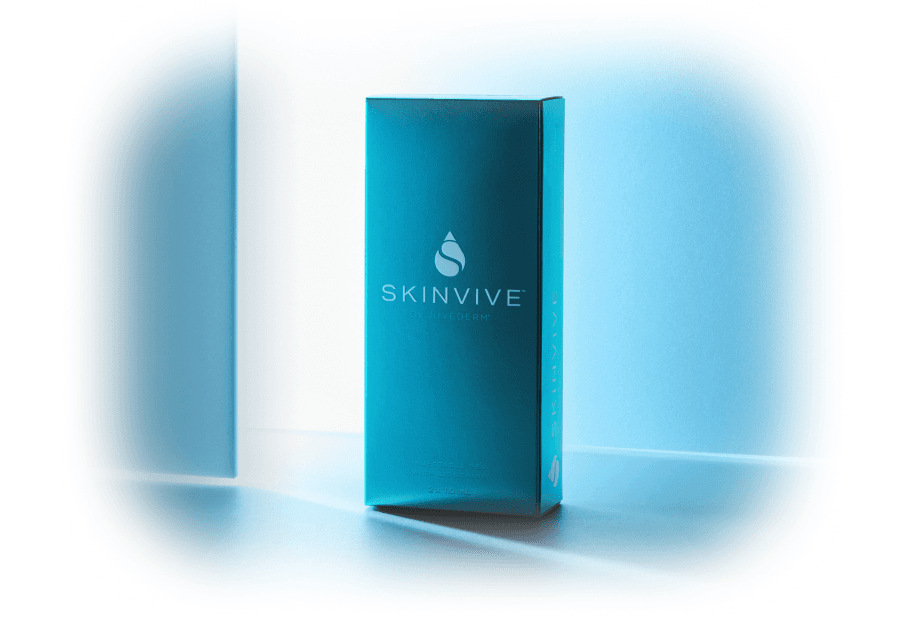
Hyaluronic acid placed into the dermis: Lily-ID M (with salmon-derived PN, every 3–4 weeks), SkinVive for cheek hydration, or the aqua glow injection. This is the deeper option.
If you've tried hydrating shots before and still feel dry, I've written about matching a Korean skin booster injection to skin that hydrating shots haven't fixed.
When I'd hold off on hydration injections
- Your barrier is inflamed or stinging. I'd calm it with care first, then consider boosters.
- You fly home within a day or two. Boosters can leave small bumps or bruising for a few days.
- You have a hyaluronic acid allergy, a skin infection, or you're pregnant or breastfeeding.
- You're still using strong exfoliants daily. Changing that may matter more than any injection.
What dehydrated skin treatment costs here
These are example menu prices, not what maknaegi paid. International patients pay exactly what Korean patients pay. Care treatments are single visits; boosters are usually planned as a short series, so ask me for the total before you commit.
- Hydrating Treatment (Self-cleansing - Aloe Hydration Ampoule application - SONO (5min) - LED - Mask - Finish)₩50,000≈ $40
- Experience Package PHA Water Tox Full Package (First-visit trial)₩149,000≈ $110
- Session Premium Hydrating Injection (Lilyid M) 2.5CC (First-visit trial)₩99,000≈ $70
Example menu prices for dehydrated skin — not what maknaegi paid. VAT excluded · identical for Korean and international patients · watertox and Lily-ID M shown at first-visit prices (regular: watertox full package ₩200,000, Lily-ID M 2.5cc ₩180,000). Your plan is confirmed at the free consultation.
Planning hydration on your next Seoul visit
- 1
Bring your scan
If you've had our skin analysis before, we can compare against it. If not, we start with one.
- 2
On the day
Free 1:1 consultation with me, then same-day treatment if it suits you. English and Chinese interpreters are on site, and you can request one in advance, near Exit 3 of Sinnonhyeon Station.
- 3
After a booster
Moisturiser and sunscreen, no scrubs, and for about a week no sauna, swimming pool, heavy drinking or hard workouts.
Is this for you?
Who this combination genuinely suits
Signs it may be time
- You've added more products and nothing changed
- Your skin is oily but still feels tight
- Long-haul flights leave your skin dull for days
- You want to know whether care or a booster suits you
A good fit if
- Your skin feels tight or looks dull despite a regular hydrating routine
- Makeup sits badly even over moisturiser
- You'd like your hydration checked by skin analysis, not guesswork
- You can plan boosters a few days before your flight home
Not the right first step if: your barrier is currently inflamed, you have a hyaluronic acid allergy or skin infection, you're pregnant or breastfeeding, or you fly out tomorrow and want an injection; I'd start with gentle care or wait.
“Tell me what your current routine is before you add anything. Sometimes the fix is removing a product; when it isn't, I'll explain which hydration option fits your skin and your trip.”
Questions patients ask me about this
What is the difference between dry and dehydrated skin?
Dry skin lacks oil, while dehydrated skin lacks water. Oily or acne-prone skin can still be dehydrated, which is why it can feel tight despite shine.
Why is my skin still dehydrated when I use skincare?
Most creams work on the surface, and a weak barrier can lose water faster than products replace it. Over-exfoliation, flights and climate changes can make it worse.
What treatment is good for dehydrated skin in Korea?
Options range from low-irritation hydration care and PHA watertox to skin boosters such as Lily-ID M, SkinVive or aqua glow injections. The choice depends on your barrier and how deep the dehydration is.
Is there downtime after a skin booster for hydration?
Small bumps, mild swelling or bruising can appear and usually settle within a few days. Avoid saunas, heavy drinking and hard exercise for about a week.
How much is dehydrated skin treatment in Korea?
At Delphic Clinic, hydration care is ₩50,000, PHA watertox full package ₩149,000 and Lily-ID M 2.5cc ₩99,000 at first-visit prices, VAT excluded. International patients pay the same as Korean patients.
Get a free 1:1 consultation
Message our English-speaking team — same price as locals, no pressure.
Go deeper on the blog
Treatments in this case



More patient cases
View all → @carpeciindyRejuran: the recovery timeline
Rejuran Recovery Time, Day by Day: Cindy's “No Pain, No Gain” Clip and What the Next 72 Hours Look Like
Cindy (@carpeciindy) sums up Rejuran in four words: no pain, no gain. Her doctor explains the part after the needle: what the bumps and redness look like over the first hours and days, what makes recovery longer, and where to put Rejuran in a trip.
Read the case @vivieee27Juvelook Booster delivered with Mirajet (needle-free)
Needle-Free Skin Booster in Korea: What “No Needle” Really Changes, From Vivie's Juvelook and Mirajet Week
Vivie (@vivieee27) had a Juvelook Booster delivered with Mirajet, without a traditional needle. Her doctor explains what needle-free delivery actually changes, what stays the same, and who she'd still treat with a needle.
Read the case @vivie_175Juvelook Booster with Mirajet
Juvelook with Mirajet in Seoul: Vivie's One-Week Check-In, With Her Doctor's Notes
Vivie (@vivie_175) had a Juvelook collagen booster delivered with Mirajet and posted an honest one-week update. Her doctor explains the early redness, why week one is too soon to judge, and what it costs.
Read the case @carpeciindyJuvelook + Rejuran
Juvelook and Rejuran Together: Cindy's Glass-Skin Combo, Explained by Dr. Kim
Cindy (@carpeciindy) called the Juvelook + Rejuran combo the secret of Korean skincare. Her doctor explains what each booster does, why they're paired, what it costs, and who should skip it.
Read the case