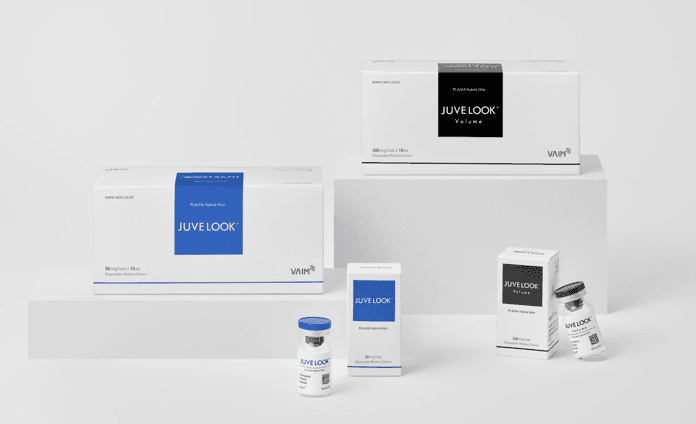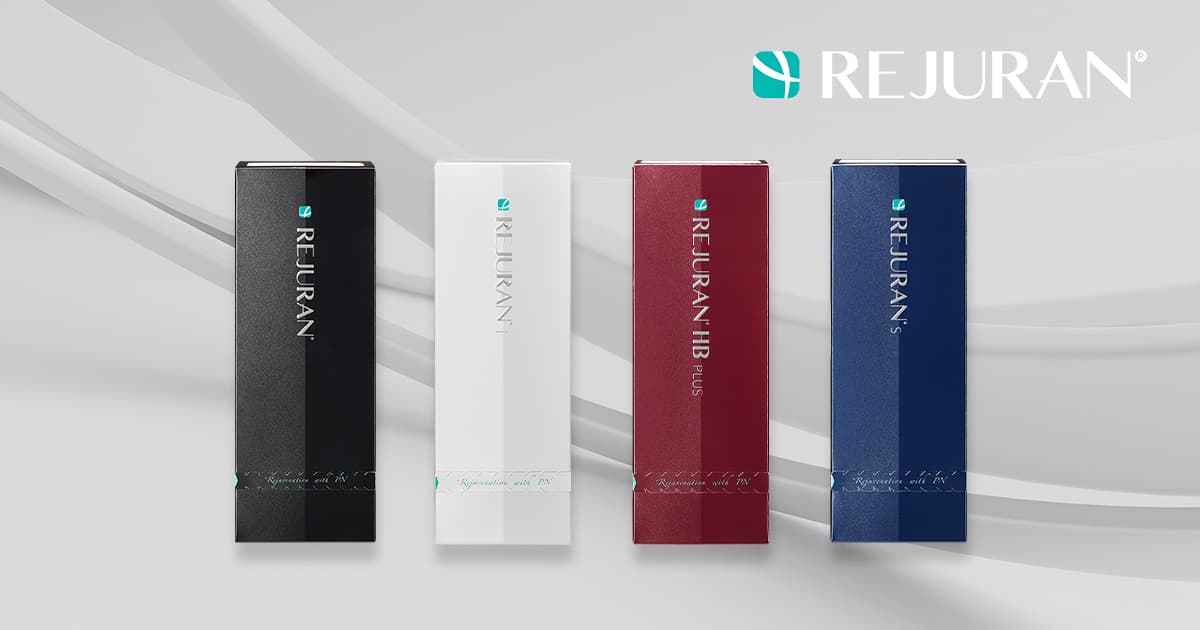
Juvelook Before and After: Real PDLLA Results, Timeline & Price in Korea

Dr. Hyunji Kim
2026-09-149 min read
Medically reviewed by Dr. Hyunji Kim · Last reviewed
Delphic Clinic, Gangnam (Sinnonhyeon) · English interpreter on site
Ask us on WhatsApp
When patients show me the Juvelook before and after photos they've saved online, the first thing I tell them is that this treatment is a slow-burn — and that's exactly why it looks so natural. Juvelook (and its close cousin Ultracol) work by prompting your own skin to make fresh collagen, so the change creeps in over weeks rather than appearing the moment you leave the room. If a photo promises an overnight transformation, be skeptical.
I'm Dr. Hyunji Kim, director at Delphic Clinic in Gangnam. I've treated hundreds of local and international patients with these collagen boosters, and in this post I'll walk you through what a realistic Juvelook before and after actually looks like month by month, how to judge whether the results photos you're seeing are real, the difference between Juvelook and Ultracol, who it genuinely suits, who I steer elsewhere, and what it costs in Korea.
Before and after: what's realistic
Let me set honest expectations, because this is what most people are really searching for. In the 'before,' patients usually come in with dull, thin or crepey skin, uneven tone and a bit of early looseness that makes them look tired. Right after your session, you might look slightly puffy or see tiny needle marks — that is NOT your result. The real Juvelook before and after emerges over 2-3 months as new collagen forms. In the 'after,' patients typically describe skin that looks firmer, smoother and more 'lit from within,' with softened fine texture. It's the kind of change your friends notice as 'you look well-rested' rather than 'what did you have done?' A full course of 2-3 sessions gives the most convincing result, and it builds — not fades — in the weeks after each visit.
Here's the month-by-month timeline I give my patients so nobody panics on day two: in the first week you settle from any minor redness or bumps; by weeks 2-4 skin already feels a touch smoother and more hydrated (especially with Juvelook's HA component); the more meaningful firmness and texture change arrives around weeks 6-12 as collagen matures. That's why I plan sessions about 4 weeks apart and judge your true before and after a couple of months after your last visit — not the day you leave.
Not sure this fits your case? Ask whether it suits you, available dates and interpreter support.
Ask us on WhatsAppHow to tell if before-and-after photos are real
Because so many people compare Juvelook before and after images before booking, here's how I'd read them honestly:
- Check the timing — a genuine 'after' should be taken 8-12+ weeks post-treatment, when collagen has actually matured. Photos shot a few days later mostly show settling swelling, not results.
- Look for matching lighting, camera angle and facial expression between the two shots. Different lighting can fake a lot of 'glow.'
- Be cautious if the 'after' has makeup and the 'before' doesn't — that's not a fair comparison.
- Ask how many sessions and how much product (2cc vs 4cc) produced that result, so your expectations match your own plan.
- Remember results depend on age, baseline skin quality and number of sessions — someone else's before and after is a guide, not a guarantee for you.
Ultracol before and after: what to expect under the eyes
Ultracol before and after is a separate search for a reason: at Delphic, the under-eye area is treated only with Ultracol, not Juvelook. Ultracol is built on PDO (polydioxanone), the material used for absorbable sutures, processed into microspheres and suspended in carboxymethyl cellulose (CMC). Like Juvelook, it works by prompting your own collagen, so the 'after' is a gradual change in thin, crepey skin rather than an instant fill.
In the first days you may see small bumps, bruising, swelling or redness — these are temporary and usually ease within a week, and recovery is typically 1–3 days. Judge your Ultracol result over the following weeks as collagen forms, not in the mirror the next morning. How much the under-eye changes depends on your skin, so I'll tell you honestly at consultation whether Ultracol suits you or whether another route makes more sense.
What it actually is — in plain language
Juvelook and Ultracol are injectable collagen boosters. Juvelook combines PDLLA (poly-D,L-lactic acid) microspheres with non-crosslinked hyaluronic acid; Ultracol uses PDO (polydioxanone), the material used for absorbable sutures, processed into microspheres and suspended in carboxymethyl cellulose (CMC). When placed into the skin, they act as a gentle 'signal' that tells your body to produce new collagen around them. Over the following weeks, that new collagen is what firms, smooths and thickens the skin. Juvelook also includes a hyaluronic acid component that gives a little immediate hydration and glow, while Ultracol is often my choice for delicate areas like the under-eye.
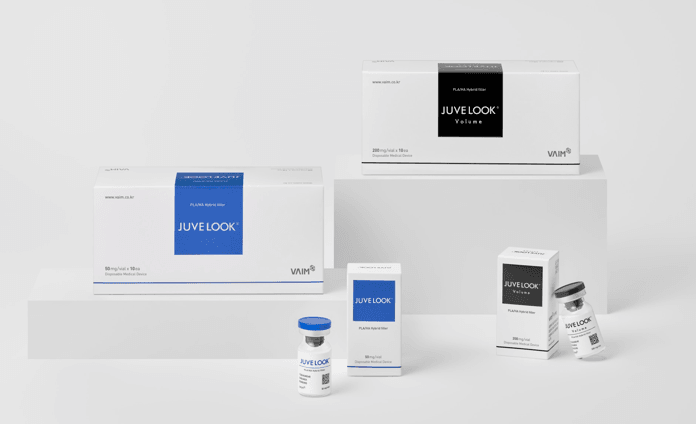
Here's the honest part: this is NOT a filler and NOT a facelift. It won't sculpt a jawline overnight or replace big volume loss. If you want dramatic lifting, we'd talk about other tools. What Juvelook does beautifully is improve the quality of your skin — the fine crepey texture, dull tone, and early looseness that make skin look tired.
Juvelook vs Ultracol — what's the difference?
This is one of the most common questions I hear, so let me be specific. Both are collagen boosters (Juvelook built on PDLLA, Ultracol on PDO microspheres), so the core mechanism — stimulating your own collagen — is the same. The practical differences come down to composition and where I use them:
- Juvelook contains a hyaluronic acid (HA) component, which gives a little immediate hydration and glow on top of the collagen-building effect. It's my go-to all-rounder for overall face firmness, texture and that 'lit-from-within' quality.
- Ultracol is a PDO-based booster I often reach for in delicate zones — especially the under-eye — where a lighter, precise placement suits thin, crepey skin and I want to avoid any lumpiness.
- In many patients I combine both across different areas in the same plan. The choice isn't 'better vs worse' — it's matching the product to the skin in front of me.
Is Juvelook PLLA? Juvelook PLLA vs PDLLA in plain terms
"Juvelook PLLA" is how many patients type it, and you'll see Juvelook listed as a PLLA or PLA booster on plenty of price lists. Strictly speaking, Juvelook's microspheres are PDLLA (poly-D,L-lactic acid), combined with non-crosslinked hyaluronic acid. PLLA and PDLLA both belong to the polylactic acid family, and both are biodegradable, so they break down and clear from the body over time.
What matters for you is the shared principle: neither works like a filler that adds a set shape on the day. They prompt your own skin to build collagen, so the change is gradual and mostly about skin quality. If you are weighing a PLLA-type stimulator against hyaluronic acid filler, my guide to Korean PLLA filler explains that trade-off in more depth.
Who it's really for
In my clinic, the people who get the happiest Juvelook before and after results tend to share a few things:
- People in their late 20s to 50s noticing dull, thin or crepey skin texture
- Anyone wanting overall firmness and glow without looking 'done' or over-filled
- Those with fine under-eye crepiness who are good candidates for Ultracol specifically
- Patients who prefer a natural, gradual improvement over an instant change
- Busy or travelling patients who need minimal downtime and can't take time off
And who I steer elsewhere: if you have significant sagging or deep volume loss, a collagen booster alone won't satisfy you — you'd likely want lifting devices or volume filler instead. If you're pregnant or breastfeeding, have an active skin infection in the area, or a history of keloid or certain autoimmune conditions, I'll usually recommend waiting or choosing a different route. Honesty upfront saves disappointment later.
How it compares — an honest comparison
Patients often ask me about Juvelook vs Ultracol vs Rejuran vs filler. They overlap but do genuinely different jobs — here's how I explain it:
In short: Juvelook and Ultracol are about rebuilding skin quality from within, and they layer nicely with other treatments rather than competing with them.
Get a free 1:1 consultation
Message our English-speaking team — same price as locals, no pressure.
What to expect — step by step
- 1
1. Free consultation
We assess your skin quality, discuss your goals, and I tell you honestly whether Juvelook/Ultracol fits — or whether something else suits you better.
- 2
2. Numbing & prep
We cleanse the area and apply numbing cream for around 20-30 minutes so the session is comfortable.
- 3
3. The session
I inject the collagen booster with a fine needle or cannula across the treatment area. This usually takes 20-40 minutes depending on how much area we cover.
- 4
4. Back to your day
Some redness or tiny bumps are normal and settle quickly. Most patients head straight out — dinner, sightseeing, or the airport tomorrow are all fine.
- 5
5. Results build over weeks
Collagen forms gradually, so your skin keeps improving over 2-3 months. We plan your next session about 4 weeks apart for the best before and after.
How we do it at Delphic — and why it matters
This is a doctor-led treatment at Delphic — I plan and perform it myself, because injection depth, product placement and dosing per area genuinely change the outcome, and it's what makes the difference between a natural before and after and a lumpy one. We only use genuine, properly stored product, and I tailor how much we place (2cc vs 4cc, and Juvelook vs Ultracol) to your skin rather than a fixed template. For me, the goal is always subtle and natural — refreshed skin, not an obviously treated face.
How much does Juvelook cost in Korea?
Pricing depends on how much product you need and which areas we treat. As a guide, 2cc typically covers one area or an under-eye Ultracol treatment, while 4cc suits a full face or a larger plan. Here are our genuine, transparent prices:
| Juvelook/Ultracol Skin Booster 2cc (1 area/Under-eye area only Ultracol) | ₩250,000$180 |
| Juvelook/Ultracol Skin Booster 4cc (Full Face/Under-eye area only Ultracol) | ₩500,000$360 |
| Juvelook/Ultracol Volume 2cc (First-visit trial) | ₩250,000$180 |
| Juvelook/Ultracol Skin Booster 2cc (First-visit trial) | ₩250,000$180 |
Coming from overseas? Here's how we make it easy
We treat international patients every week, so this is genuinely straightforward. We have on-site English and Chinese interpreters, so nothing gets lost in translation during your consultation. The treatment is one-day friendly with minimal downtime, and we're a direct, short walk from Sinnonhyeon Station Exit 3 in Gangnam. And to say it again clearly: you pay the same price as locals.
Start with a free 1:1 consultation
If you're comparing options, I also wrote about Rejuran for first-timers in Korea — worth a read before you book.
Related reading: I cover juvelook Cost Korea in a separate post.
Related reading: I cover juvelook Korea Review in a separate post.
Comparing Juvelook with Radiesse? My Korea Radiesse guide covers who each one suits and the cost per area.
Verified Google reviews
4.7 · 260 Google reviewsI received ONDA lifting and Juvelook Skin treatment at Delpic Clinic. Before the procedure, Dr. K carefully examined my skin condition and explained everything in a kind and easy-to-understand way, which made me feel very comfortable and reassured. During the treatment, I could really tell that Dr. K was highly skilled, so I felt confident and at ease throughout the entire process. Overall, I was very satisfied with my experience. It’s definitely a clinic I would love to visit again.
The best next step is a free 1:1 consultation. There's no pressure and no obligation — I'll look at your skin, tell you honestly whether Juvelook or Ultracol is right for you, and if it isn't, I'll tell you what would be. You'll leave knowing your realistic before and after and a clear plan.

Get a free 1:1 consultation
Message our English-speaking team — same price as locals, no pressure.
If you want firmer, smoother, more natural-looking skin without surgery or an over-filled look, Juvelook and Ultracol are two of my favorite tools — used honestly and tailored to you. Come in, ask hard questions, and let's decide together. — Dr. Hyunji Kim, Delphic Clinic, Gangnam, Seoul.
Frequently asked questions
What does a Juvelook before and after really look like?
Right after your session you may look slightly puffy with tiny needle marks — that's not your result. The real Juvelook before and after emerges over 2-3 months as new collagen forms. In the before, patients usually have dull, thin or crepey skin with early laxity; in the after, skin looks firmer, smoother, more even in tone and 'lit from within,' with softened fine texture. It's the kind of change friends read as 'you look well-rested,' not 'what did you have done?' A full course of 2-3 sessions gives the most convincing change, and it keeps building — not fading — in the weeks after each visit.
When will I see Juvelook results — what's the timeline?
There's no dramatic day-one before and after; this is a slow-burn. Week 1: any minor redness or bumps settle. Weeks 2-4: skin already feels smoother and more hydrated, thanks to Juvelook's HA component. Weeks 6-12: the meaningful firmness and texture change arrives as new collagen matures. That's why I space sessions about 4 weeks apart and judge your true result a couple of months after your final visit — not the day you leave.
How can I tell if Juvelook before and after photos are real?
Look for consistent lighting, angle and expression between the two photos, and a caption stating how many weeks after treatment (real results are 8-12+ weeks out) and how many sessions. Be wary of photos taken under different lighting or with makeup on the 'after' only. In consultation I'll show you what's realistic for your specific skin rather than relying on someone else's photo — because results genuinely vary by age, skin quality and number of sessions.
What is the difference between Juvelook and Ultracol?
Both are collagen boosters that stimulate your own collagen — Juvelook is PDLLA with hyaluronic acid, Ultracol is PDO microspheres. Juvelook contains a hyaluronic acid component for a little immediate hydration and glow, so it's a great all-rounder for firmness and texture. Ultracol is my frequent choice for delicate areas like the under-eye, where a lighter, more precise placement suits the thin skin and lowers the chance of lumpiness. We choose between them based on your skin and target area — not a fixed template.
Is Juvelook PLLA or PDLLA?
Juvelook is often called a PLLA or PLA booster, but strictly speaking its microspheres are PDLLA (poly-D,L-lactic acid), combined with non-crosslinked hyaluronic acid. PLLA and PDLLA both belong to the biodegradable polylactic acid family, and both work by prompting your own skin to build collagen rather than adding a set shape on the day. The change is gradual and mostly about skin quality.
What does an Ultracol before and after look like?
Ultracol is what we use under the eyes at Delphic — the under-eye area is treated only with Ultracol, not Juvelook. It is made of PDO microspheres that prompt your own collagen, so the after is a gradual change in thin, crepey skin rather than an instant fill. Small bumps, bruising, swelling or redness in the first days are temporary and usually ease within a week. Results vary, so we judge yours over the following weeks, not the next morning.
How much does Juvelook cost in Korea?
At Delphic: 2cc (one area / under-eye Ultracol) is ₩250,000 and 4cc (full face / under-eye Ultracol) is ₩500,000. Same price for locals and visitors — no foreigner mark-up. Your exact plan and cost are confirmed at your free 1:1 consultation.
Does Juvelook hurt?
Most patients find it very manageable. We apply a strong numbing cream for about 20-30 minutes first, and Juvelook/Ultracol is injected with a fine needle or cannula. You'll feel small pinches and some pressure, but it's brief. Slight tenderness afterward is normal for a day or two.
How long does Juvelook last?
Because Juvelook and Ultracol stimulate your own collagen (Juvelook with PDLLA, Ultracol with PDO microspheres), results build over 2-3 months and typically last around 12-18 months after a full course. It's not permanent — collagen naturally turns over — so a top-up once a year keeps things looking their best.
How does Juvelook compare to Rejuran or filler?
Rejuran (PN/PDRN) is about calming and repairing skin quality; filler adds volume in a defined spot. Juvelook and Ultracol sit between them — collagen boosters that improve overall skin firmness, texture and subtle bounce without looking 'filled.' Many patients combine them for a fuller result.
Is there downtime with Juvelook?
Very little. You may have tiny needle marks, some redness, and occasionally small bumps or bruising that settle within a few days. Most people return to normal activities the same day, which makes it very one-day-trip friendly.
How many Juvelook sessions do I need?
Most patients do 2-3 sessions spaced about 4 weeks apart for a meaningful before and after, then maintenance once or twice a year. Your skin condition and goals decide the exact plan — we confirm this at your free consultation.
Can I do Juvelook on a one-day trip to Seoul?
Yes. With minimal downtime, most visitors are comfortable heading to dinner, sightseeing or the airport the next day. We're a short, direct walk from Sinnonhyeon Station Exit 3, with on-site English and Chinese interpreters, so a single visit is easy to fit into a Seoul trip.
Didn't find your answer here?
Ask us directly on WhatsAppStill deciding? Send us your question — free 1:1 consultation, English interpreter on site.
Ask us on WhatsAppWritten by
Director · Lead Physician
Dr. Hyunji Kim is the director and lead physician at Delphic Clinic in Gangnam, Seoul. She trained at Korea University Medical Center and personally performs consultations and procedures for both local and international patients.
- Korea University Medical Center
- Member, Korean Academy of Aesthetic Surgery & Laser Medicine
- Member, Korean Society for Laser Dermatology & Hair
See Delphic in 60 seconds
Short clips from our clinic and the guests who visited. Tap to play here.
Getting Here
By Exit 3 of Sinnonhyeon Station, Gangnam. How to get here from the airport is below.
476 Gangnam-daero, Urban Hive Bldg 2F, Gangnam-gu, Seoul
1-minute walk from Exit 3, Sinnonhyeon Station (Subway Line 9 & Sinbundang Line)
About 70 minutes from Incheon Airport (Airport Railroad + subway)
Read next
Skin boosters
Juvelook in Korea: How I Rebuild Skin From the Inside — A Gangnam Doctor's Honest First-Timer Guide
"Is Juvelook actually worth it?" I get asked this weekly. Here's the honest first-timer's answer, from my Gangnam clinic.
Skin boosters
Juvelook Korea: How I Rebuild Skin From Within Without Surgery — A Gangnam Doctor's Honest First-Timer Guide
"Is Juvelook actually worth it?" I get asked this every week. Here's the honest answer, from a Gangnam clinic.

Skin boosters
Korean PDRN Reviews: Why They're So Split, and How to Read Them
Same injection, opposite verdicts. The split usually comes down to depth, course length and what the person expected in the first place.