Rejuran in Korea: How I Rebuild Skin From the Inside — A Gangnam Doctor's Honest Guide
Dr. Hyunji Kim
2026-07-248 min read
Medically reviewed by Dr. Hyunji Kim · Last reviewed

Rejuran in Korea is one of the most requested treatments I do — and also one of the most misunderstood. People often arrive expecting it to plump their face like filler or lift it like a thread. That's not what it does, and I'd rather tell you that honestly before you spend a won.
I'm Dr. Hyunji Kim, director at Delphic Clinic in Gangnam. In this first-timer's guide I'll walk you through what Rejuran really is, who it genuinely suits, who I steer elsewhere, and exactly what to expect — the way I'd explain it to a friend sitting across from me in consultation.
What Rejuran actually is — in plain language
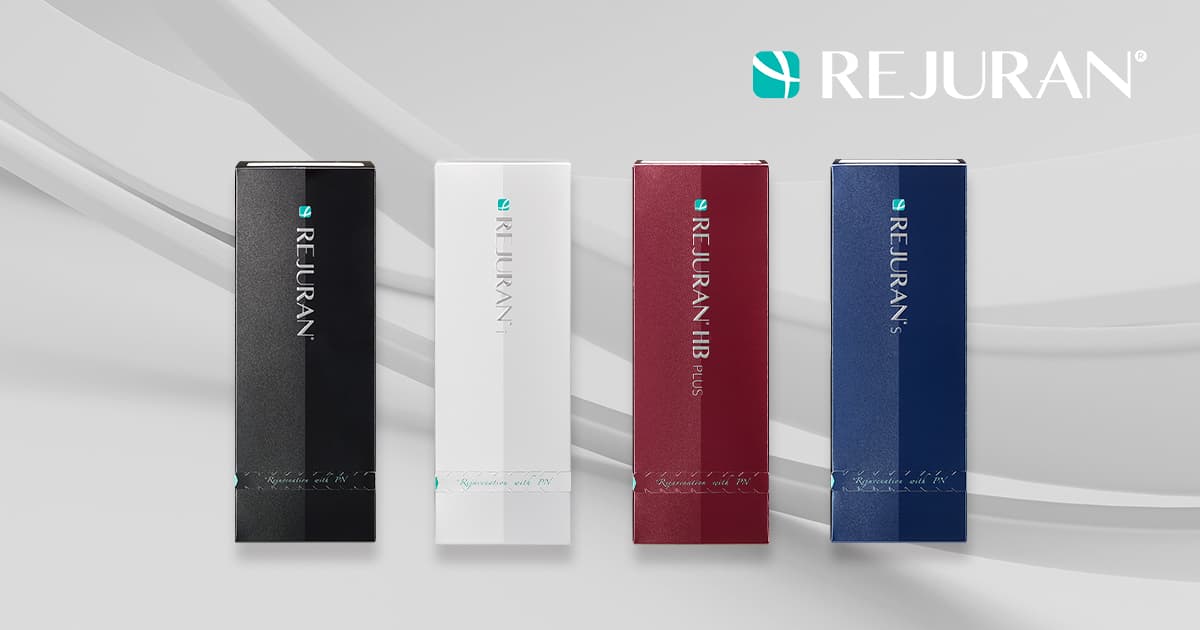
Rejuran is a polynucleotide injection — the active ingredient is highly purified DNA fragments derived from salmon (yes, really), which happen to be biologically similar to our own. When injected into the skin in tiny amounts, they act as a signal that helps your skin repair itself: better hydration retention, stronger structure, calmer inflammation and improved texture over time. Think of it as skin conditioning from the inside, not a product that fills a line.
Here's the honest part: Rejuran is not a filler and not a lifting device. It won't give you cheekbone volume, it won't lift jowls, and you won't walk out looking transformed. What it does is improve the quality of the skin itself — and that's a slow, cumulative thing. If you want instant dramatic change, this isn't the right tool, and I'll tell you so.
Who Rejuran is really for
In my chair, Rejuran as a skin booster tends to be a great fit for people who want to invest in skin health rather than chase a single obvious change. Typically that's:
- People in their late 20s to 50s noticing dull, tired, or thinning skin that products alone can't fix
- Those bothered by fine lines and crepey texture, especially under the eyes and around the mouth
- Skin that's dehydrated, sensitive or reactive and needs strengthening rather than more actives
- Patients recovering skin quality after acne, sun damage, or aggressive laser treatments
- Anyone wanting a natural, gradual 'my skin but healthier' result with minimal downtime
And who I steer elsewhere: if your main concern is deep folds or lost volume, filler is more appropriate. If it's sagging along the jaw or cheeks, we'd talk about lifting options instead. If you're pregnant, breastfeeding, have an active skin infection, or a known salmon/fish sensitivity, Rejuran isn't for you. I'd rather send you to the right treatment than sell you the wrong one.
How Rejuran compares — an honest comparison
This is the question I answer most: how does Rejuran differ from a regular skin booster, filler, or a lifting procedure? Here's a simple guide — but remember the right choice is decided in person, often as a combination.
In short: Rejuran repairs, boosters hydrate, filler adds volume, surgery restructures. They aren't competitors — they answer different questions, and a good plan often mixes two of them.
Before and after: what's realistic
Let me be straight about expectations. After your first Rejuran session you may see nothing dramatic — maybe a little more hydration. The real change shows over the full course: skin looks less tired, texture is smoother, fine lines look softer, and makeup sits better. It's the kind of result friends notice as 'you look well-rested' rather than 'what did you get done?'. Results are gradual and individual — how your skin responds depends on your starting condition, age and lifestyle.
Get a free 1:1 consultation
Message our English-speaking team — same price as locals, no pressure.
What to expect — step by step
- 1
1. Free consultation
We assess your skin, discuss your goals honestly, and decide whether Rejuran, a booster, or a combination fits you — with realistic expectations set upfront.
- 2
2. Numbing & prep
We cleanse the skin and apply strong numbing cream for about 20 minutes so the injections stay comfortable.
- 3
3. The session
I deliver a series of micro-injections across the treatment area. It takes roughly 15–20 minutes for the face.
- 4
4. Back to your day
Tiny bumps and possible small bruises may appear but usually settle within hours to a day. Most patients go straight back to sightseeing or work.
- 5
5. Results build over weeks
You'll notice improving hydration and texture over the following weeks, with the fullest effect after your complete course.
How we do Rejuran at Delphic — and why it matters
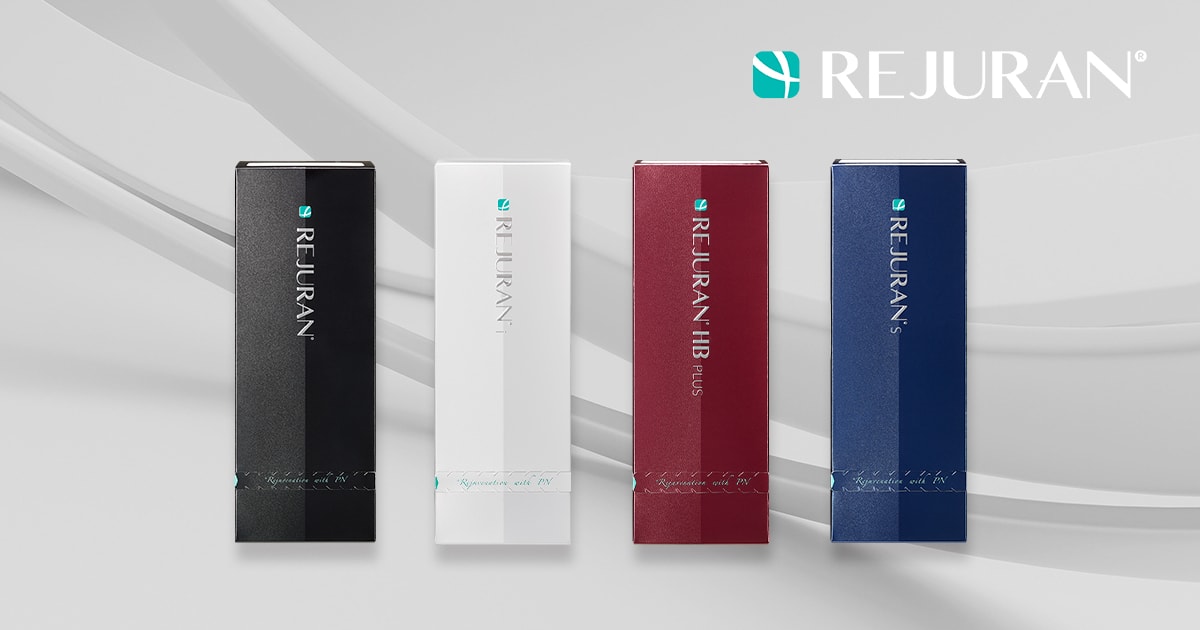
Rejuran is highly technique-dependent. The depth, the spacing of injection points, and the amount per area all affect how smooth your result looks and how few bumps you get. That's why every Rejuran treatment at Delphic is doctor-led — I do the injecting myself, using genuine, properly stored product. We tailor the type (Healer, I, HB or S) to your skin, rather than defaulting to one for everyone.
How much does Rejuran cost in Korea?
Cost depends on which Rejuran type suits your skin and how many sessions you need. Rather than quote vague ranges, here are our genuine, transparent prices:
| Rejuran Healer 2cc | ₩350,000$250 |
| Rejuran I 1cc | ₩250,000$180 |
| Rejuran HB 1cc | ₩300,000$220 |
| Rejuran S 1cc | ₩300,000$220 |
| Painless Pain-free Rejuran 3cc | ₩350,000$250 |
| Painless Pain-free Rejuran 6cc | ₩600,000$430 |
| Painless Pain-free Rejuran Eye 3cc | ₩350,000$250 |
| Painless Pain-free Rejuvelook 5cc | ₩500,000$360 |
| Rejuran Healer 2cc (First-visit trial) | ₩178,000$130 |
| Rejuran Healer 2cc (Event price) | ₩187,000$140 |
| Session Rejuran Eye 1cc (First-visit trial) | ₩99,000$70 |
| Rejuran Eye 1cc (Event price) | ₩119,000$90 |
| Rejuran HB+ 1cc (Event price) | ₩169,000$120 |
| Rejuran S 1cc (Event price) | ₩169,000$120 |
| Lip Rejuran 1cc (Event price) | ₩198,000$140 |
Coming from overseas? Here's how we make it easy
We treat a lot of visitors, so we've made Rejuran in Seoul simple. We have on-site English and Chinese interpreters, so nothing gets lost in translation during consultation. Rejuran is one-day friendly — consultation and treatment happen in the same visit, and there's minimal downtime, so you can keep exploring the city afterwards. We're a direct walk from Sinnonhyeon Station Exit 3, and you pay the same price as any local patient.
Start with a free 1:1 consultation
Some of you reading this will also be curious about Rejuran pricing in Korea and what drives it; I've written that up in detail.
Verified Google reviews
4.7 · 260 Google reviewsI received ONDA lifting and Juvelook Skin treatment at Delpic Clinic. Before the procedure, Dr. K carefully examined my skin condition and explained everything in a kind and easy-to-understand way, which made me feel very comfortable and reassured. During the treatment, I could really tell that Dr. K was highly skilled, so I felt confident and at ease throughout the entire process. Overall, I was very satisfied with my experience. It’s definitely a clinic I would love to visit again.
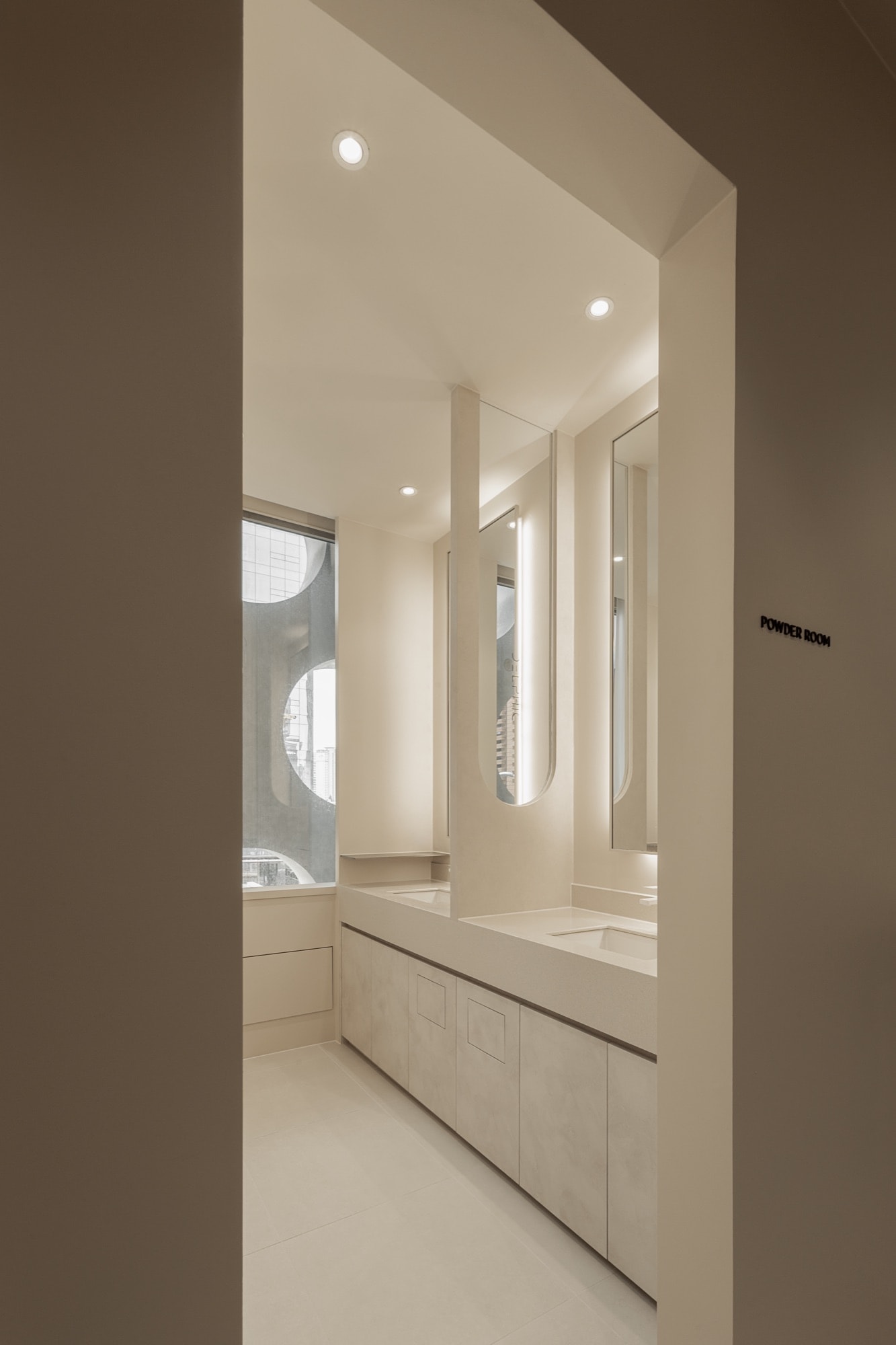
I had a really great experience at Delphic Clinic. The staff were very friendly and made me feel comfortable from the moment I walked in. They explained everything clearly in English and didn’t try to oversell unnecessary treatments, which I really appreciated. The clinic is very clean and modern, and the whole process felt professional and well-organized. Overall, I would definitely recommend this clinic, especially if you’re a foreigner looking for a trustworthy place in Korea.
Before any needle touches your skin, we sit down for a free, no-pressure 1:1 consultation. I'll tell you honestly whether Rejuran is right for you, whether we should combine it with something else, or whether you'd be better off with a different treatment entirely. If it's not for you, I'll say so.

Get a free 1:1 consultation
Message our English-speaking team — same price as locals, no pressure.
If you want healthier, stronger, better-quality skin rather than a dramatic overnight change, Rejuran is one of the most rewarding treatments I offer — as long as your expectations are set honestly. Come in, ask hard questions, and let's build a plan that actually fits your skin. — Dr. Hyunji Kim, Delphic Clinic, Gangnam, Seoul.
Frequently asked questions
Does Rejuran hurt?
There's some discomfort — Rejuran uses tiny injections across the skin, so you'll feel small pricks. We apply strong numbing cream beforehand, and for sensitive areas we can use a finer technique or nerve-friendly approach. Most patients describe it as very tolerable rather than painful, and it's over in about 15–20 minutes.
How long does Rejuran last?
The improvement from a full course tends to hold for around 6–12 months, since Rejuran works by stimulating your own skin repair rather than sitting there like a filler. Most patients do a maintenance session every 6 months to keep the quality up.
How does Rejuran compare to skin boosters or filler?
Roughly: Rejuran (polynucleotide) focuses on repairing and strengthening skin quality — texture, resilience, fine lines. Hyaluronic skin boosters focus more on hydration and glow. Filler adds volume and lifts specific areas. They solve different problems, and I often combine them thoughtfully rather than pick one.
Is there downtime with Rejuran?
Minimal. You may see tiny bumps at each injection point that settle within a few hours to a day, and occasionally a small bruise. Most people return to normal life the same day. I usually advise avoiding heavy makeup and intense exercise for 24 hours.
How many Rejuran sessions do I need?
For a first course I typically recommend 3–4 sessions spaced 2–4 weeks apart, because it's a cumulative repair process. After that, maintenance every 6 months or so keeps results steady. Your exact plan depends on your skin and goals.
How much does Rejuran cost in Korea?
See the prices in the article — Rejuran Healer 2cc is ₩350,000, Rejuran I 1cc ₩250,000, Rejuran HB and S 1cc ₩300,000. Same price for locals and visitors at Delphic.
Written by
Dr. Hyunji Kim
Dr. Hyunji Kim is the director and lead physician at Delphic Clinic in Gangnam, Seoul. She trained at Korea University Medical Center and personally performs consultations and procedures for both local and international patients.
Read next
Skin boosters
Rejuran Healer Korea: How I Rebuild Skin From the Inside — A Gangnam Doctor's Honest Guide
"Is Rejuran actually worth it?" I get asked this weekly. Here's the honest answer, from a Gangnam clinic.
Skin boosters
Rejuran Before and After: What I Honestly Tell Patients — A Gangnam Doctor's Guide
"Is Rejuran actually worth it?" I get asked this weekly. Here's my honest answer, from a Gangnam clinic.
Skin boosters
Juvelook Before and After: Real PDLLA Results, Timeline & Price in Korea
"What does a Juvelook before and after really look like?" Here's my honest, month-by-month answer — from a Gangnam clinic.