Rejuran Healer Korea: How I Rebuild Skin From the Inside — A Gangnam Doctor's Honest Guide
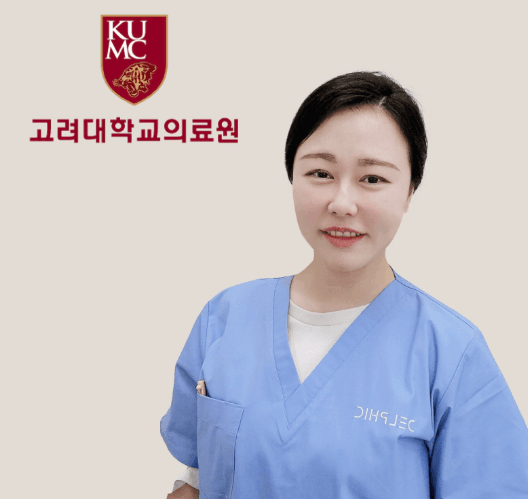
Dr. Hyunji Kim
2026-08-178 min read
Medically reviewed by Dr. Hyunji Kim · Last reviewed
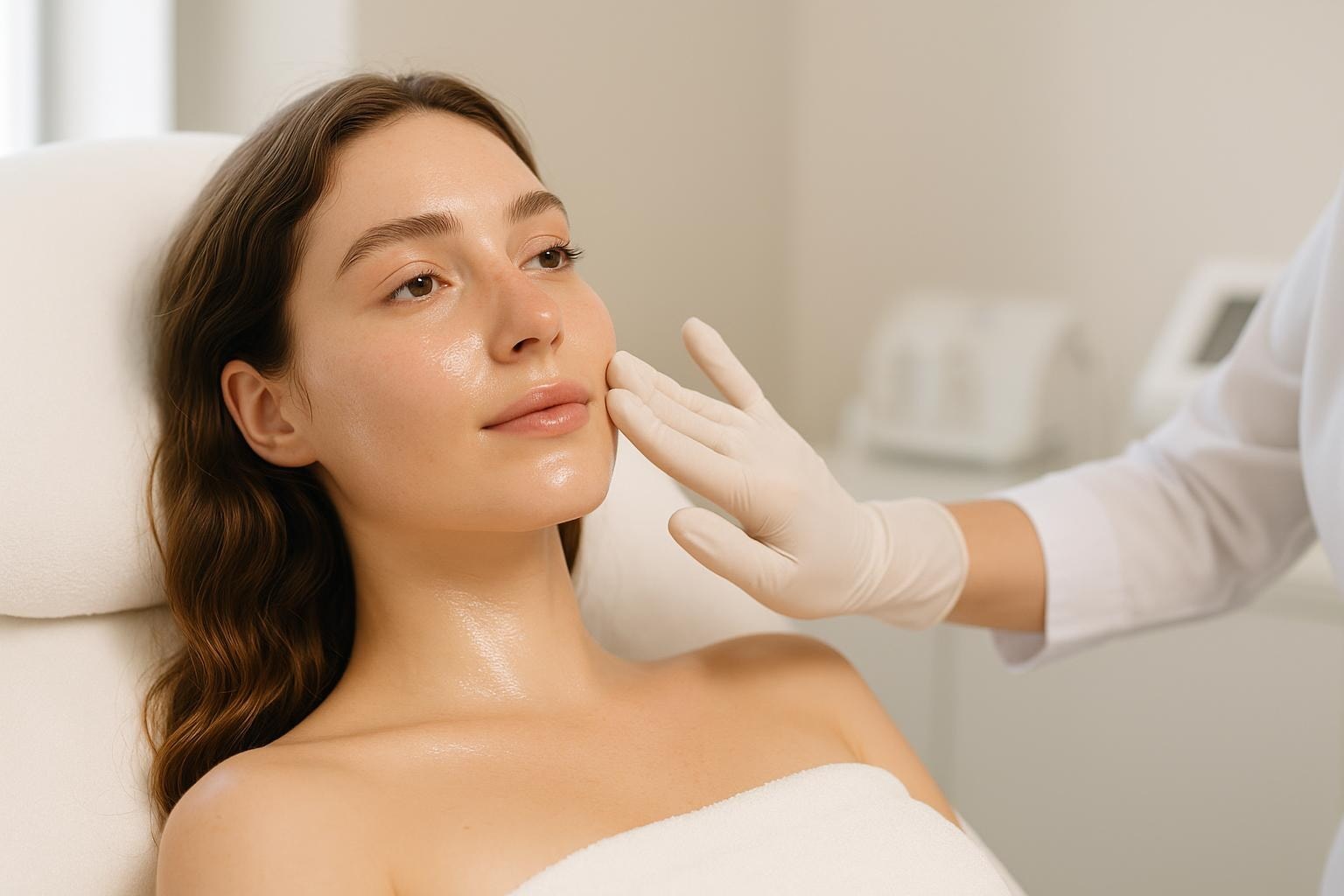
Rejuran healer korea is one of the treatments I'm asked about most, especially by international patients who've read that Korean skin boosters can genuinely improve skin quality rather than just cover it up. And they're right to be curious — but there's a lot of hype online, and Rejuran isn't magic. It's a real medical injectable with a real mechanism, real limits, and a specific type of patient it suits.
I'm Dr. Hyunji Kim, director at Delphic Clinic in Gangnam. In this guide I'll walk you through what Rejuran Healer actually is, who it genuinely helps, who I steer toward something else, and what realistic results look like — the same way I'd explain it if you were sitting across from me in a consultation.
What it actually is — in plain language
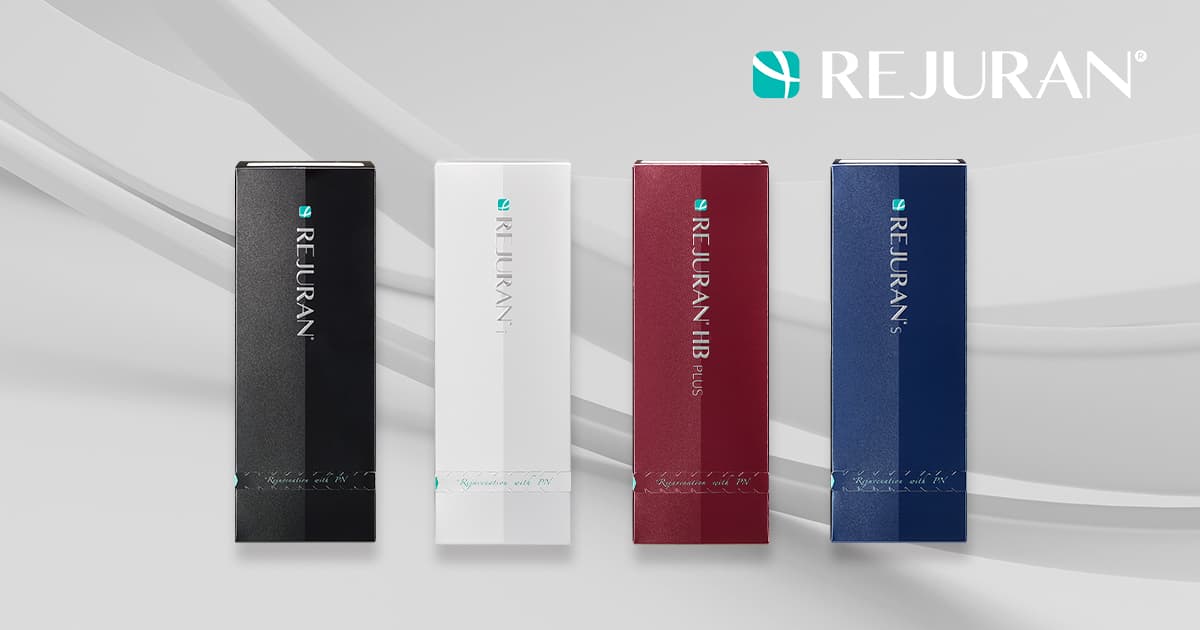
Rejuran is a growth factor complex injectable primarily composed of polynucleotides, or PN — a highly biocompatible substance. Rather than adding volume or paralyzing a muscle, this polynucleotide injection works at a more fundamental level: it helps regenerate the epidermal and dermal layers of your skin, repairing damage and comprehensively improving your skin's internal environment. That means fine wrinkles, pores, and oil-water balance all get addressed as your skin's overall health improves.
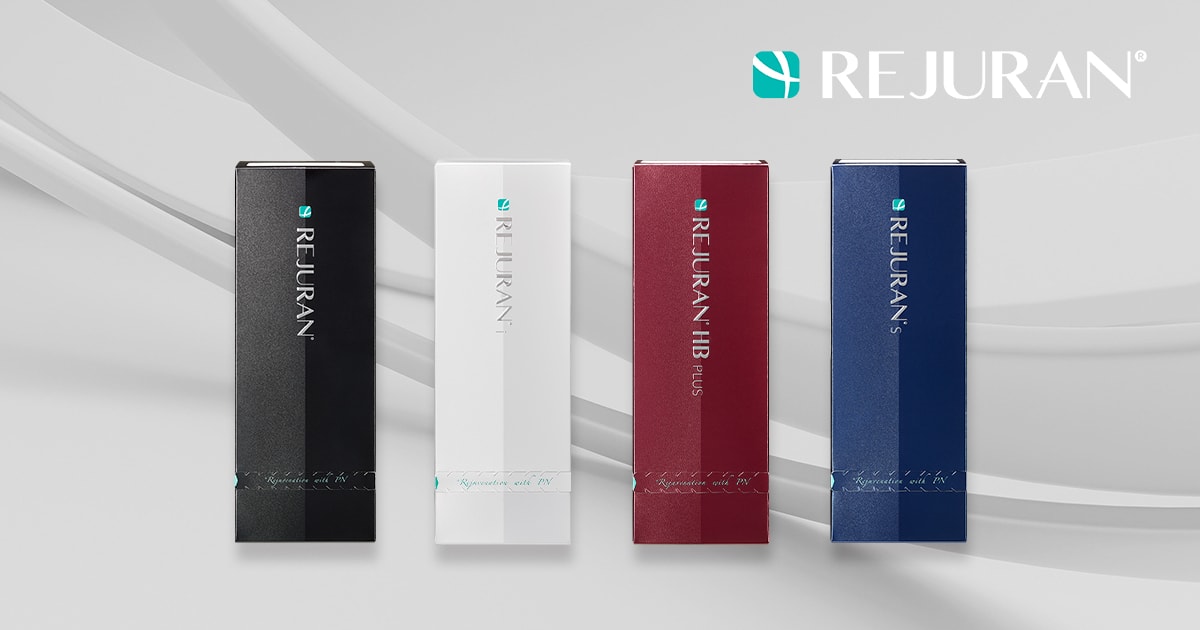
Here's the honest part: Rejuran is not a filler, and it won't sculpt your face or fill a deep smile line. It won't lift sagging jowls the way a thread lift or an energy-based device does, and it won't stop dynamic wrinkles like Botox does. What it does is improve the quality and resilience of the skin itself — which is a slower, subtler, but very real kind of change.
Who it's really for
Rejuran Healer, and the wider Rejuran range, is a skin-quality treatment. In my clinic in Seoul, these are the people who tend to be genuinely happy with it:
- People with thin, fragile or slightly sagging skin who want to rebuild resilience from within.
- Anyone wanting to improve their skin's internal environment — fine lines, pores, and oil-water balance.
- Patients looking to boost elasticity and hydration through natural collagen regeneration.
- Those who want a natural, gradual result rather than an obvious, instant change.
- People happy to commit to a short course of sessions and ongoing maintenance for lasting skin health.
And who I steer elsewhere: if your main concern is deep volume loss, you likely want filler; if it's real sagging along the jawline, we'd talk about lifting devices or threads; if it's dynamic frown or forehead lines, that's a job for a muscle relaxant. I'd rather tell you Rejuran isn't the right primary tool than sell you a course that won't solve your actual concern.
How it compares — an honest comparison
This is the comparison I draw on the whiteboard most often, because Rejuran, hydrating boosters, filler and lifting are so easily confused. They're not competitors — they fix different things.
In short: Rejuran is the one you choose when your skin itself feels thin, tired or damaged and you want to improve its underlying quality — not just add water or volume on top.
Before and after: what's realistic
Rejuran works by regeneration, so results are gradual and cumulative — this is not a treatment where you look transformed the next morning. Over a course, most patients notice skin that feels firmer, more hydrated and more even, with softer fine lines and refined pores. The change is the kind friends describe as "your skin looks healthy" rather than "what did you get done?" — and it's very individual.
Get a free 1:1 consultation
Message our English-speaking team — same price as locals, no pressure.
What to expect — step by step
- 1
1. Free consultation
We look at your skin, discuss your concerns and goals, and I'll tell you honestly whether Rejuran, another treatment, or a combination is right — and advise your individual treatment cycle.
- 2
2. Numbing & prep
We cleanse the skin and apply numbing cream so the session is as comfortable as possible. If you're sensitive, ask about our painless Rejuran approach.
- 3
3. The session
The polynucleotide is delivered through a series of fine injections across the treatment area. It's quick — typically well within a lunch break.
- 4
4. Back to your day
Recovery usually takes 1 to 3 days. Expect mild redness, small injection bumps or the occasional tiny bruise, which settle. Keep the skin clean and hydrated, and follow the aftercare we give you.
- 5
5. Results build over weeks
As your skin regenerates, improvements appear gradually and build across the course. We plan follow-up sessions and maintenance based on how your skin responds.
How we do it at Delphic — and why it matters
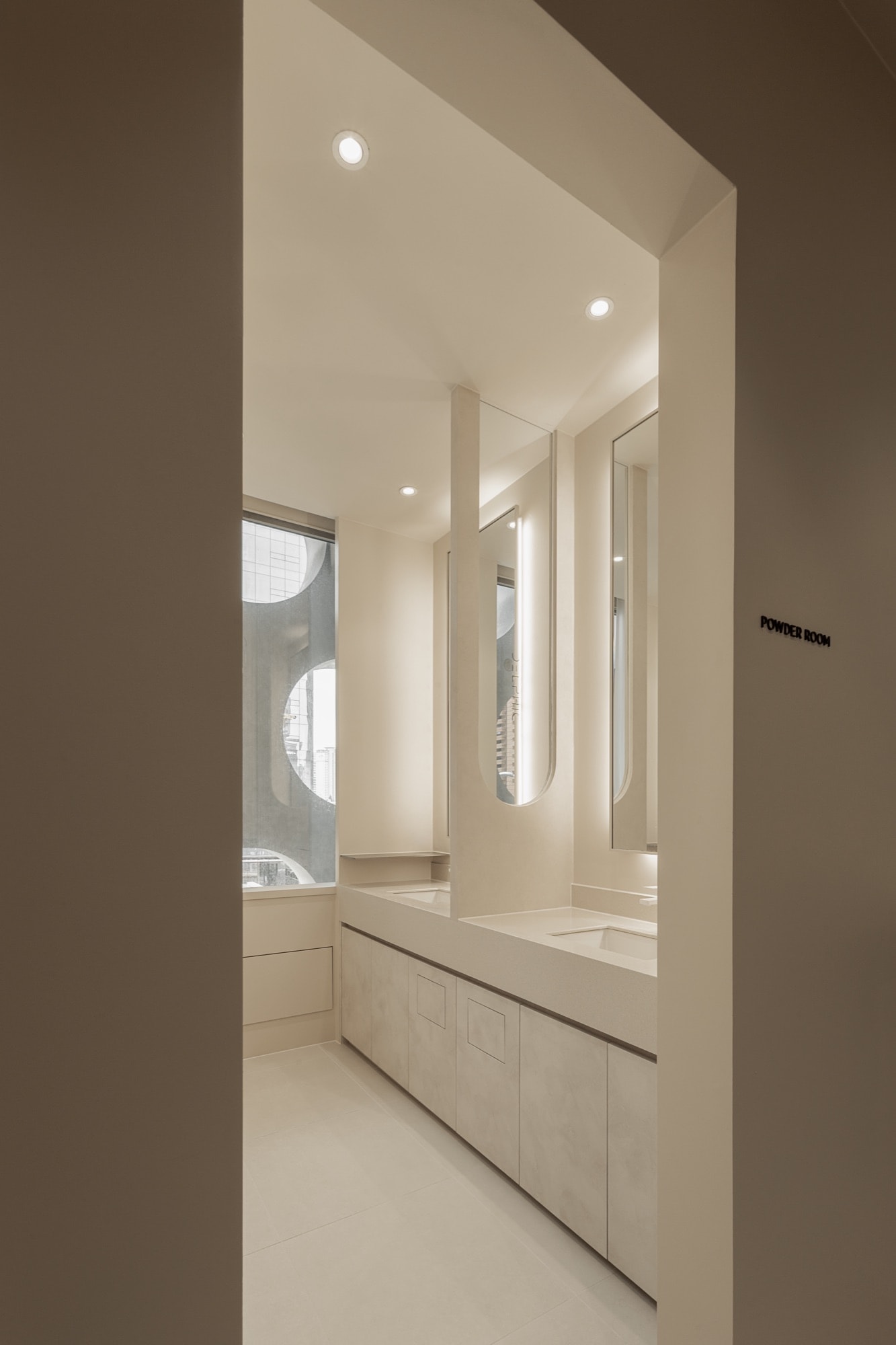
Rejuran looks simple, but the outcome depends on assessment and technique — choosing the right product in the range, the right depth, and the right plan for your skin. Every treatment here is doctor-led, with genuine product, and your cycle is tailored to you rather than sold as a fixed package. That's the difference between injecting a substance and actually improving skin.
How much does it cost in Korea?
Cost depends on which Rejuran product and how many sessions your skin needs — we'll map that out in the consultation. Here are our genuine, current prices:
| Rejuran Healer 2cc | ₩350,000$250 |
| Rejuran I 1cc | ₩250,000$180 |
| Rejuran HB 1cc | ₩300,000$220 |
| Rejuran S 1cc | ₩300,000$220 |
| Painless Pain-free Rejuran 3cc | ₩350,000$250 |
| Painless Pain-free Rejuran 6cc | ₩600,000$430 |
| Painless Pain-free Rejuran Eye 3cc | ₩350,000$250 |
| Painless Pain-free Rejuvelook 5cc | ₩500,000$360 |
| Rejuran Healer 2cc (First-visit trial) | ₩178,000$130 |
| Rejuran Healer 2cc (Event price) | ₩187,000$140 |
| Session Rejuran Eye 1cc (First-visit trial) | ₩99,000$70 |
| Rejuran Eye 1cc (Event price) | ₩119,000$90 |
| Rejuran HB+ 1cc (Event price) | ₩169,000$120 |
| Rejuran S 1cc (Event price) | ₩169,000$120 |
| Lip Rejuran 1cc (Event price) | ₩198,000$140 |
Coming from overseas? Here's how we make it easy
We treat a lot of visitors, and we've made Rejuran in Korea straightforward. We have on-site English and Chinese interpreters, so nothing gets lost in translation during your consultation or aftercare. The treatment is one-day friendly, we're a short walk from Sinnonhyeon Station Exit 3, and you pay the same price as any local patient.
Start with a free 1:1 consultation
Before you decide, it may also help to read about Rejuran injections for tired skin — I explain it just as honestly there.
Verified Google reviews
4.7 · 260 Google reviewsI received ONDA lifting and Juvelook Skin treatment at Delpic Clinic. Before the procedure, Dr. K carefully examined my skin condition and explained everything in a kind and easy-to-understand way, which made me feel very comfortable and reassured. During the treatment, I could really tell that Dr. K was highly skilled, so I felt confident and at ease throughout the entire process. Overall, I was very satisfied with my experience. It’s definitely a clinic I would love to visit again.
I had a really great experience at Delphic Clinic. The staff were very friendly and made me feel comfortable from the moment I walked in. They explained everything clearly in English and didn’t try to oversell unnecessary treatments, which I really appreciated. The clinic is very clean and modern, and the whole process felt professional and well-organized. Overall, I would definitely recommend this clinic, especially if you’re a foreigner looking for a trustworthy place in Korea.
The best way to know if Rejuran suits you is a proper look at your skin. Our 1:1 consultation is free and genuinely no-pressure — if Rejuran isn't the right tool for your concern, I'll tell you, and suggest what actually is.

Get a free 1:1 consultation
Message our English-speaking team — same price as locals, no pressure.
Skin done well is skin that looks healthy, not "done." Rejuran is one of the quietest, most rewarding ways to get there — when it's the right fit. Come in, and let's find out honestly. — Dr. Hyunji Kim, Delphic Clinic, Gangnam, Seoul.
Frequently asked questions
Does Rejuran hurt?
There's some stinging as it goes in, because it's a series of small injections into the skin. We apply numbing cream first, and many patients describe it as very manageable — more of a pressure than a sharp pain. If you're sensitive, ask us about our painless Rejuran option, which uses extra numbing techniques.
How long do the results last?
Rejuran works by regenerating your skin over time, so results build gradually and are cumulative across a course. Most patients maintain their improvement for several months and then come back for a top-up. It's a maintenance treatment, not a one-and-done fix — the point is healthier skin over the long term.
How does Rejuran compare to filler or Skinvive?
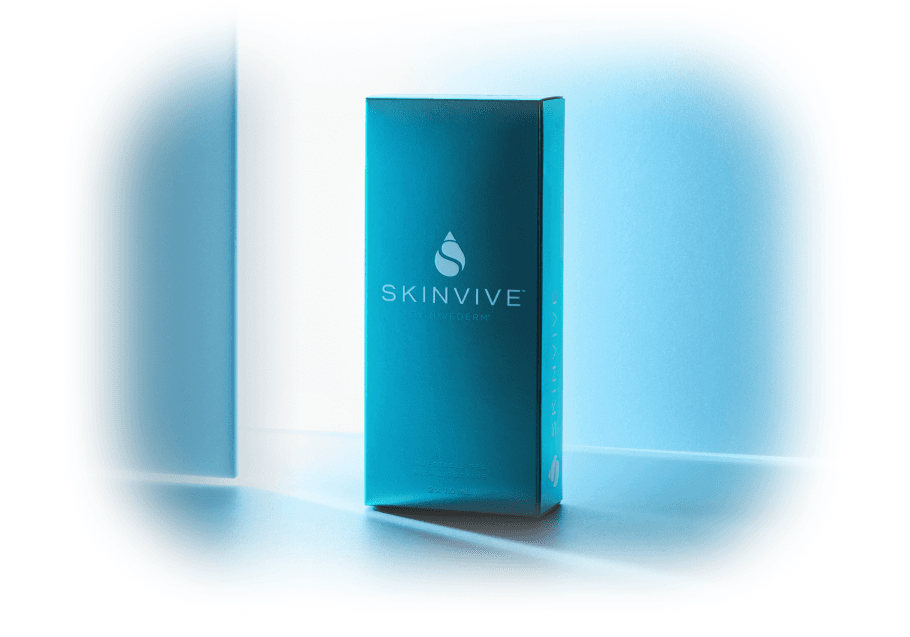
Filler adds volume and shape; Skinvive and hyaluronic boosters mainly hydrate and plump. Rejuran is different — it's a polynucleotide that helps your skin repair and regenerate itself, improving texture, fine lines, pores and elasticity from within. They solve different problems and are often used together.
Is there downtime?
Recovery typically takes 1 to 3 days. You may see small injection bumps, mild redness or the occasional tiny bruise, which settle over that period. It's usually easy to plan around a short trip.
How many sessions do I need?
It depends on your skin. Rejuran is designed as a course rather than a single session, and the exact cycle is advised individually during your consultation. Most people start with a few sessions spaced a few weeks apart, then maintain.
How much does Rejuran Healer cost in Korea?
See the price block in this article for genuine, current pricing. At Delphic you pay exactly the same price as a local Korean patient — no foreigner mark-up.
Written by
Dr. Hyunji Kim
Dr. Hyunji Kim is the director and lead physician at Delphic Clinic in Gangnam, Seoul. She trained at Korea University Medical Center and personally performs consultations and procedures for both local and international patients.
Read next

Skin boosters
Rejuran Healer Price in Korea: What It Really Costs — A Gangnam Doctor's Honest Guide
"Why does Rejuran cost so differently everywhere?" I get asked weekly — here's the honest breakdown from a Gangnam clinic.
Skin boosters
Rejuran Treatment Korea: How I Repair Skin From the Inside — A Gangnam Doctor's Honest Guide
"Is Rejuran actually worth it?" I get asked this weekly. Here's the honest answer, from a Gangnam clinic.
Skin boosters
Rejuran Injection Korea: How I Rebuild Tired Skin From the Inside — A Gangnam Doctor's Honest Guide
"Is Rejuran actually worth it?" I get asked this every week — here's my honest answer, from a Gangnam clinic.