Post Inflammatory Erythema: How I Calm Red Acne Marks With GV Laser — A Gangnam Doctor's Honest Guide

Dr. Hyunji Kim
2026-09-178 min read

Post inflammatory erythema — those flat red or pink marks a pimple leaves behind long after the spot itself is gone — is one of the most common concerns I see, and one of the most misunderstood. Patients often assume it's scarring or permanent damage. It usually isn't. It's dilated blood vessels near the surface, still visible weeks or months after the acne has calmed, and it's exactly the kind of redness a vascular laser like GV Laser is built to address.
I'm Dr. Hyunji Kim, director at Delphic Clinic in Gangnam. This is a first-timer's guide — what GV Laser actually is, who it genuinely suits, and what to realistically expect. I'll also be honest about who I steer toward something else, because a red mark from acne is not the same as brown pigment or textured skin, and the wrong tool wastes your time and money.
What it actually is — in plain language
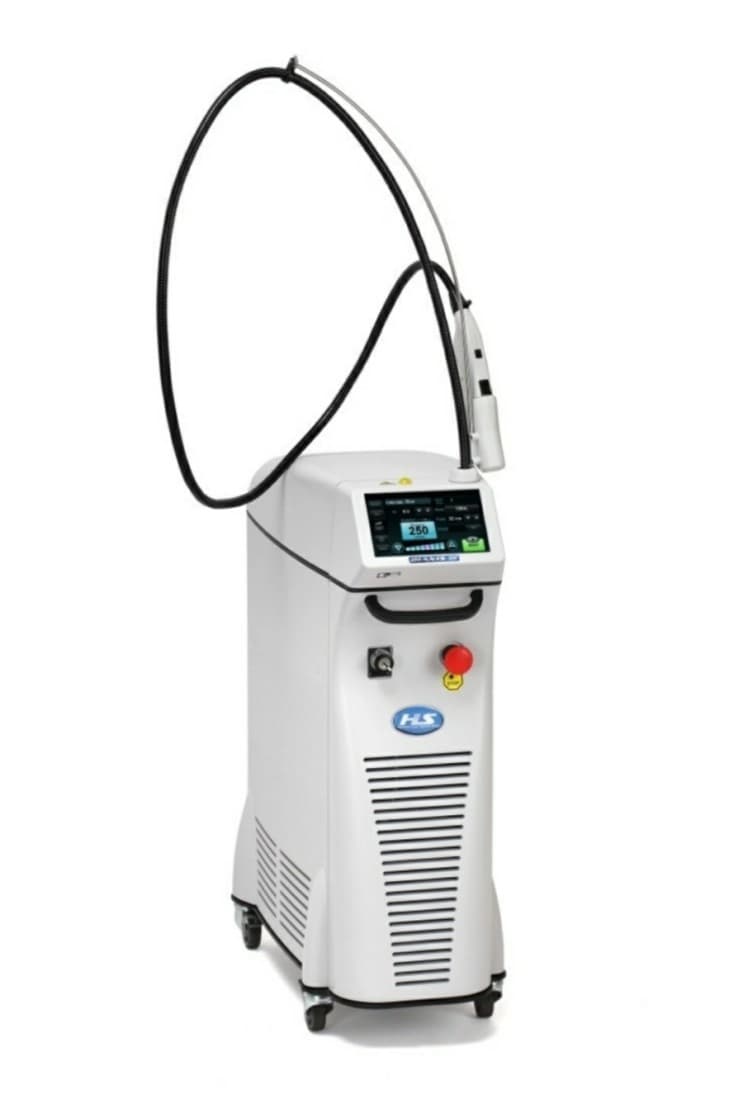
GV Laser is a multi-function laser that addresses pigment, vessels, pores and elasticity in one platform. It's built on advanced German optical technology, and its two wavelengths — 532nm and 1064nm — let me tailor each session to your specific skin condition. The 532nm wavelength is well-suited to surface redness and pigment, while the deeper 1064nm reaches vessels and helps with tone and texture. For post inflammatory erythema specifically, the point is that it targets the tiny dilated vessels causing the red color, rather than just brightening the surface.
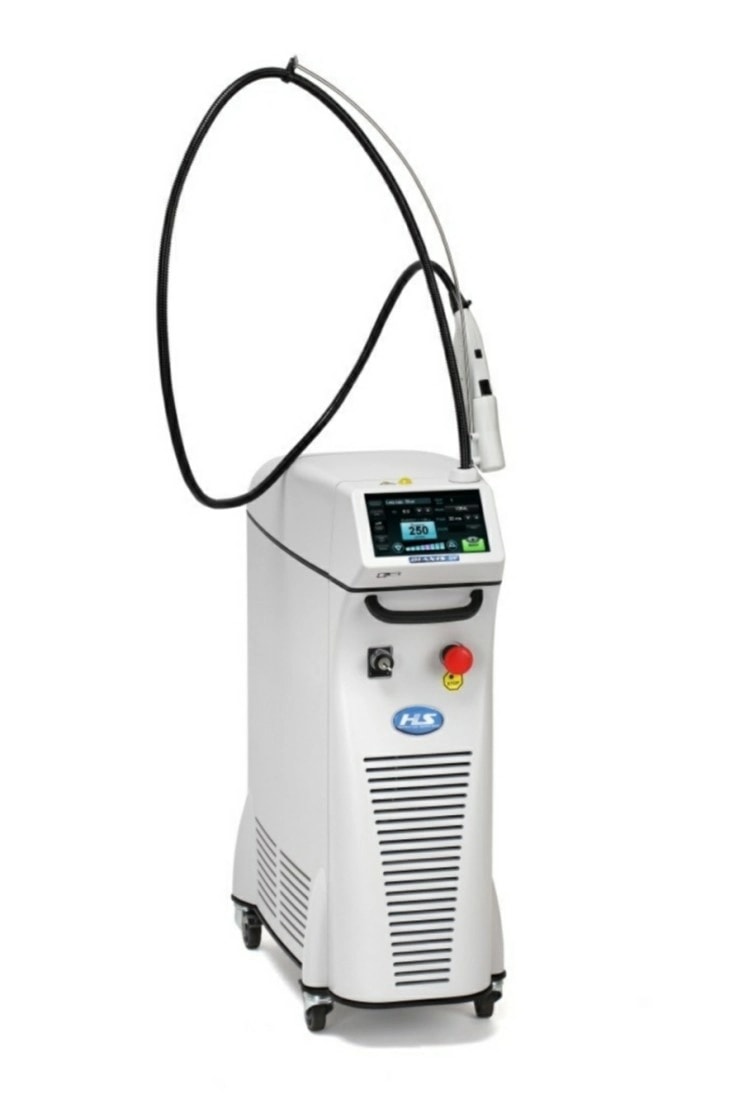
Here's the honest part about what it isn't. GV Laser is not a cure for acne, and it won't stop new breakouts or new red marks from appearing. It's also not a scar treatment — if your marks are actually indented or raised scars, or if you have genuine textured skin, that's a different problem needing a different tool. And it has nothing to do with the weight-loss trends people ask me about, like ozempic face before and after or nad injection routines — those are unrelated, and I mention them only because patients occasionally arrive confused about what a laser can and can't fix.
Who it's really for
GV Laser tends to suit people whose main concern is color rather than surface irregularity. In particular:
- Those troubled by facial redness or a flushed, uneven look
- Those with post inflammatory erythema — flat red or pink marks left behind after acne
- Those with vascular lesions or visible small vessels
- Those wanting a brighter, more even skin tone overall
- Those with blotchy pigment, melasma or freckles alongside the redness
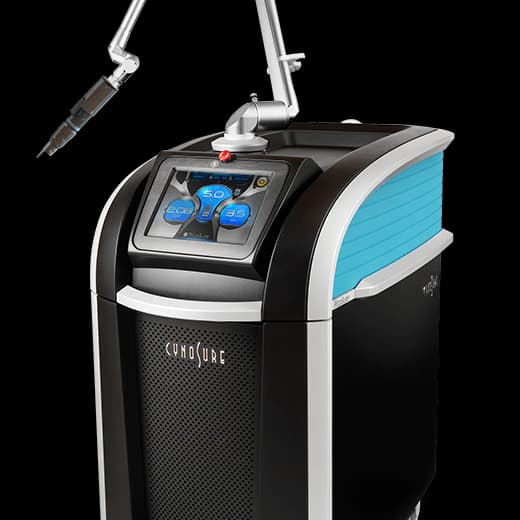
And who I steer elsewhere: if your marks are indented or raised scars, I'll talk to you about resurfacing or subcision instead. If your main issue is stubborn brown pigment or dullness, I often prefer PicoSure toning — I explain the difference in my guide to how I fade stubborn pigment without downtime. And if your skin feels rough and needs repair rather than de-reddening, a skin booster is the better path, which I cover in my honest guide to rebuilding skin from within.
How it compares — an honest comparison
No single treatment does everything. Here's roughly how GV Laser sits against the alternatives I most often discuss for redness, pigment and skin quality.
In short: GV Laser is my go-to when the problem is red — the leftover flush and marks from acne — while PicoSure, Rejuran and Fraxel each solve a different piece of the puzzle. Many patients end up combining two of these, in a sensible order.
Before and after: what's realistic
Let me set expectations honestly: this is gradual, not instant. After a session, redness often looks a touch more prominent for a day or two before it settles. Real fading of post inflammatory erythema builds across a course of sessions spaced 2 to 4 weeks apart, as the treated vessels quiet down. Isolated marks respond faster than diffuse, all-over facial redness. And results vary genuinely from person to person — skin type, how long the marks have been there, and how disciplined you are with sunscreen all matter.
Get a free 1:1 consultation
Message our English-speaking team — same price as locals, no pressure.
What to expect — step by step
- 1
1. Free consultation
I look at your skin under good lighting, confirm whether it's truly post inflammatory erythema versus scarring or brown pigment, and set realistic goals and session numbers.
- 2
2. Numbing & prep
We cleanse the skin. GV Laser is generally comfortable, so heavy numbing usually isn't needed, but we make sure you're at ease before we begin.
- 3
3. The session
The treatment itself takes about 10 to 30 minutes depending on the area. I select the mode and wavelength — 532nm or 1064nm — to match your concern.
- 4
4. Back to your day
Downtime is minimal. Cleansing and makeup are fine the same day. A temporary burning feeling and redness may occur but ease within a few days.
- 5
5. Results build over weeks
The redness fades gradually. We space sessions 2 to 4 weeks apart and adjust the plan based on how your skin responds.
How we do it at Delphic — and why it matters
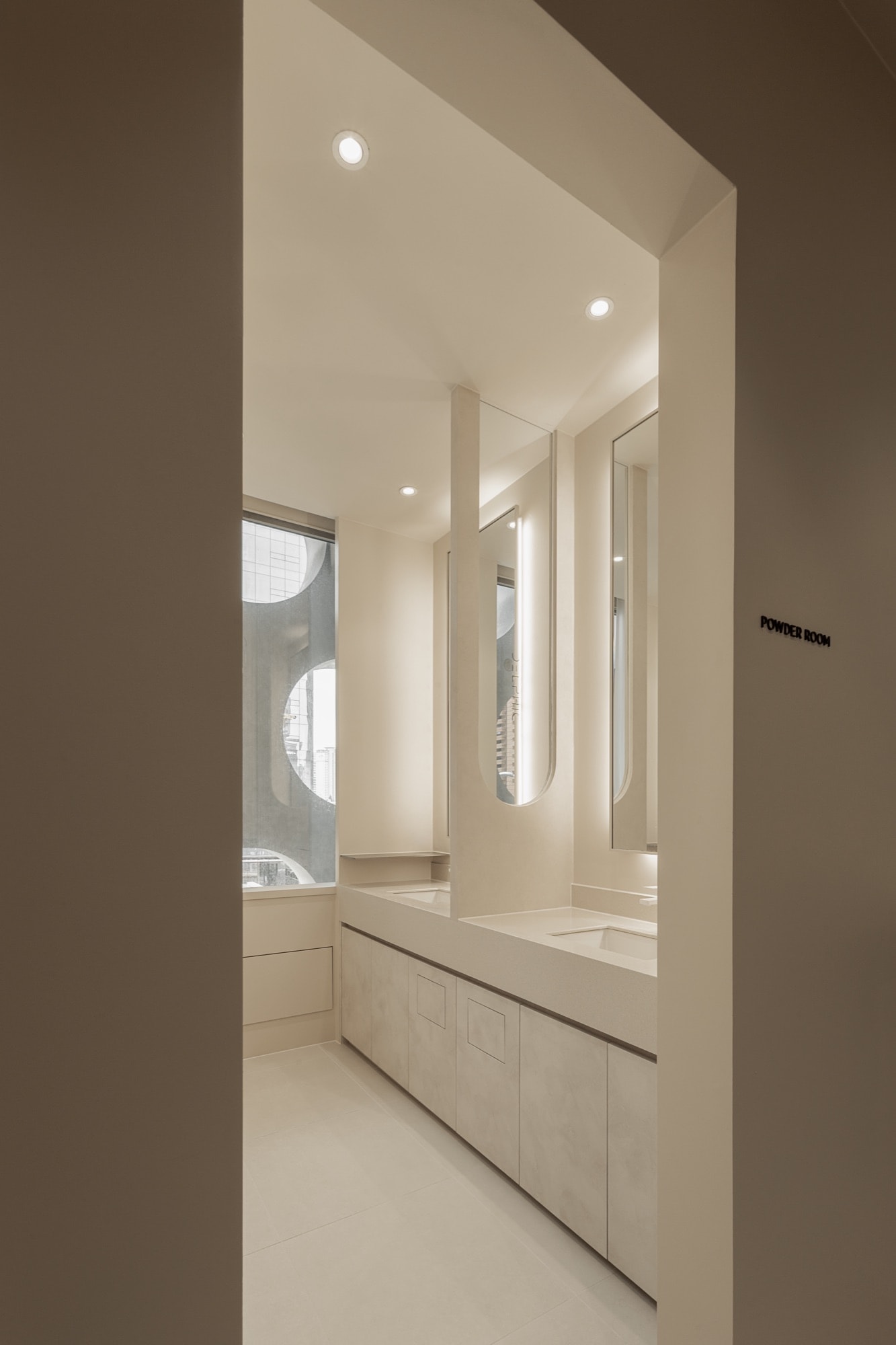
GV Laser is doctor-led here — I choose the wavelength, mode and energy myself, because redness and pigment demand different settings and the wrong ones either do nothing or overheat the skin. The device is genuine and cleared by the US FDA, European CE and Korean KFDA. If I think another approach — like combining it with a repair booster — would serve you better, I'll say so plainly rather than sell you more sessions of one thing.
How much does it cost in Korea?
Laser pricing in Korea can feel opaque, so I keep ours simple and public. Here are the genuine prices for GV Laser:
| GV Laser, 1 Session | ₩120,000$90 |
| session 1 session of GV Laser (one mode) (First-visit trial) | ₩89,000$60 |
Coming from overseas? Here's how we make it easy
We have on-site English and Chinese interpreters, so nothing gets lost in translation during your consultation or treatment. GV Laser is one-day-friendly with minimal downtime, and we're a short walk from Sinnonhyeon Station Exit 3. Same price for locals and visitors — and if you're combining treatments on a trip, I'll help you sequence them sensibly within your time in Seoul.
Start with a free 1:1 consultation
Before any laser touches your skin, we sit down for a free, no-pressure 1:1 consultation. I'll confirm whether your redness is genuinely post inflammatory erythema, tell you honestly how many sessions to expect, and flag if another treatment would serve you better. If GV Laser isn't right for you, I'll say so.
Get a free 1:1 consultation
Message our English-speaking team — same price as locals, no pressure.
Red marks after acne are common, they're frustrating, and in most cases they respond well to the right laser and a little patience. If yours are still hanging around, come in and let's look properly. — Dr. Hyunji Kim, Delphic Clinic, Gangnam, Seoul.
Frequently asked questions
Does GV Laser hurt?
Most patients describe it as a warm snapping or tingling sensation rather than pain. Sessions are short — usually 10 to 30 minutes — and we adjust the energy to your comfort. A brief burning feeling and redness can follow, but it eases within a few days.
How long do the results last?
GV Laser genuinely reduces post inflammatory erythema and evens skin tone, and those improvements hold well as long as you protect your skin with daily sunscreen. That said, it doesn't stop new acne or new redness from forming — if the underlying cause is still active, fresh marks can appear, which is why we treat the acne itself alongside the redness.
How does GV Laser compare to Rejuran or PicoSure?
Roughly: GV Laser targets the red vessels and pigment behind post inflammatory erythema directly. PicoSure toning is better for stubborn brown pigment and dullness. Rejuran is a skin booster for repair and textured skin rather than redness. Many patients combine them, and I'll tell you honestly which order makes sense for your skin.
Is there downtime?
Minimal. Temporary redness and a mild burning feeling are normal and settle within a few days. Cleansing and makeup are fine from the same day. You'll want to skip strenuous exercise, alcohol and saunas for a bit, and avoid peeling, scrubs and retinol or whitening products for a few days.
How many sessions will I need?
It depends on how deep and widespread your erythema is. Most people see gradual improvement over a course of sessions spaced 2 to 4 weeks apart. Diffuse facial redness typically needs more sessions than a few isolated marks. We map out a realistic number at your consultation — no pressure to overbuy.
How much does GV Laser cost in Korea?
See the prices in the article. One session is ₩120,000, and there's an ₩89,000 first-visit trial for a single mode. Same price for locals and visitors — no foreigner mark-up.
Written by
Dr. Hyunji Kim
Dr. Hyunji Kim is the director and lead physician at Delphic Clinic in Gangnam, Seoul. She trained at Korea University Medical Center and personally performs consultations and procedures for both local and international patients.
Read next
Skin & acne
Hyperpigmentation in Korea: How I Use Fraxel to Smooth Scars & Even Skin — A Gangnam Doctor's Honest Guide
"Can Fraxel really fix my scars and uneven tone?" I get asked this weekly. Here's my honest answer, from a Gangnam clinic.

Skin & acne
PicoSure Korea Cost: What You'll Really Pay for Toning — A Gangnam Doctor's Honest Value Guide
"How much does PicoSure really cost in Korea — and is the package worth it?" I get asked this weekly. Here's the honest answer.
Skin & acne
PicoSure in Korea: How I Fade Stubborn Pigment Without Downtime — A Gangnam Doctor's Honest Guide
"Will PicoSure really fade my pigment?" I get asked this weekly. Here's the honest answer, from a Gangnam clinic.