PicoSure in Korea: How I Fade Stubborn Pigment Without Downtime — A Gangnam Doctor's Honest Guide
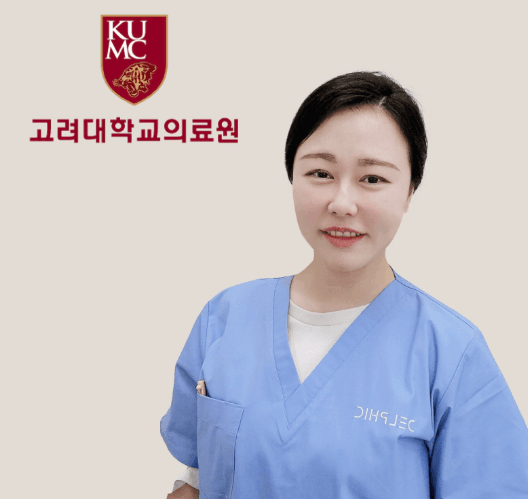
Dr. Hyunji Kim
2026-08-268 min read
Medically reviewed by Dr. Hyunji Kim · Last reviewed
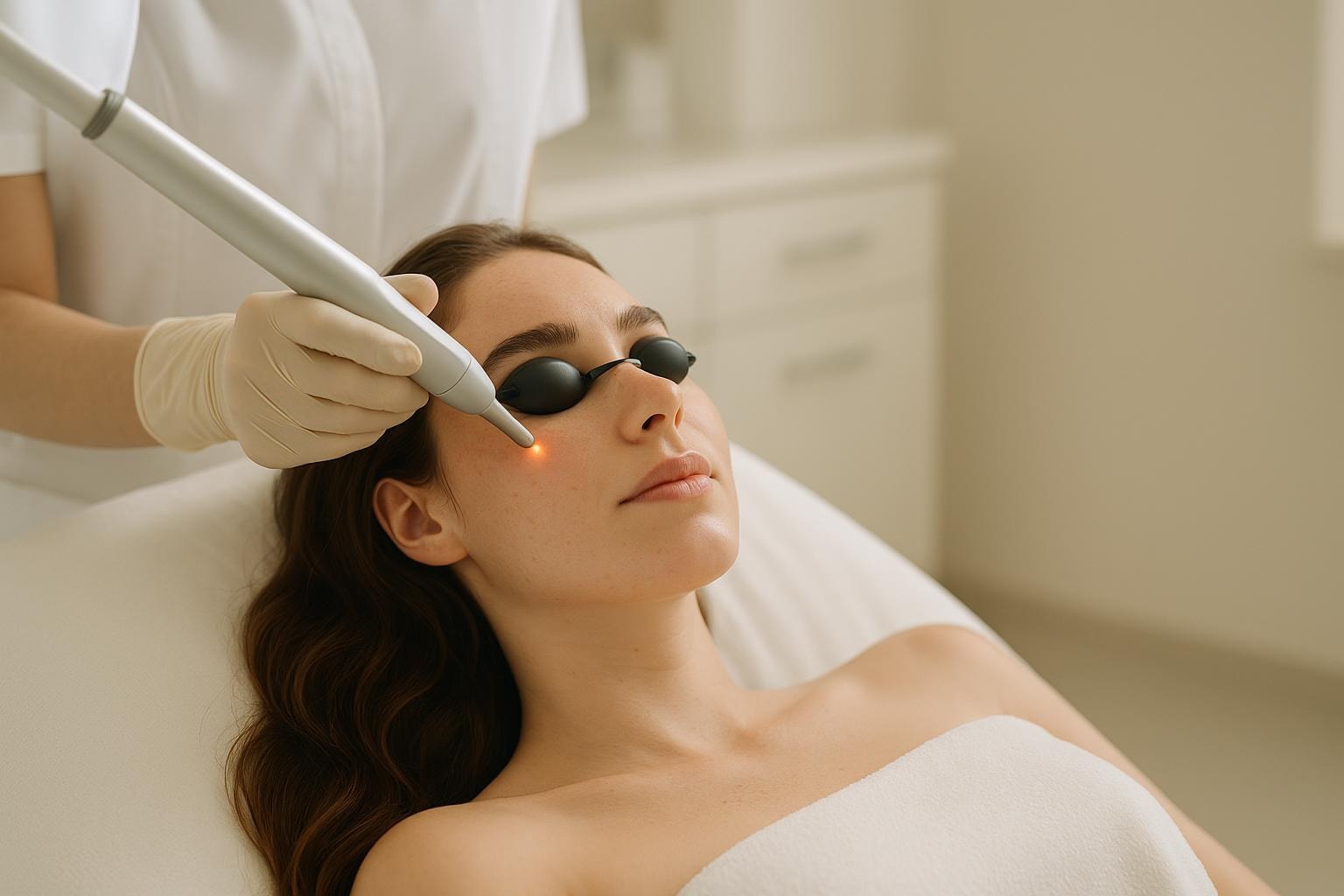
If you've been researching PicoSure in Korea, you've probably seen the same glowing promises everywhere and wondered what's actually true. As a dermatologist in Gangnam, I use the PicoSure picosecond laser almost every day — for melasma-adjacent pigment, sun spots, and that dull, uneven tone that no cream seems to fix. So let me give you the version I give my own patients across the consult desk: honest, specific, and including who it's NOT for.
I'm Dr. Hyunji Kim, director at Delphic Clinic in Gangnam. I've treated a lot of international patients who fly in with pigment they've fought for years, and PicoSure toning is one of my go-to tools — but only when it genuinely fits. Here's what it really does, what it doesn't, and how to decide.
What PicoSure Toning actually is — in plain language
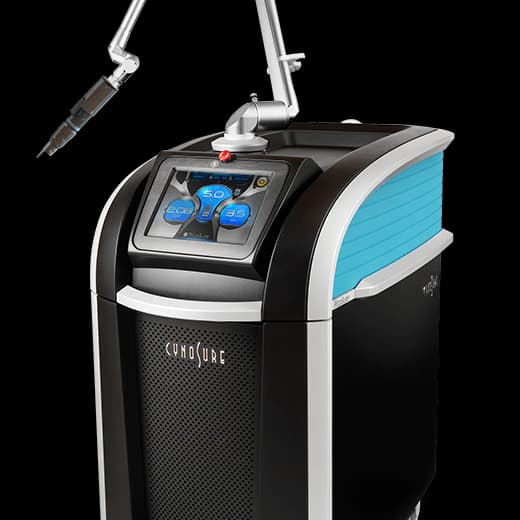
PicoSure Toning is a 755nm picosecond laser that's cleared by both the FDA and Korea's KFDA. The key word is 'picosecond': it delivers high-intensity energy in ultra-short pulses that are about 1,000 times faster and stronger than the conventional nanosecond toning lasers most clinics used for years. Because the pulses are so short, the laser shatters melanin pigment through a photomechanical effect rather than mostly heat — which means it can target the pigment you want gone while sparing the tissue around it.
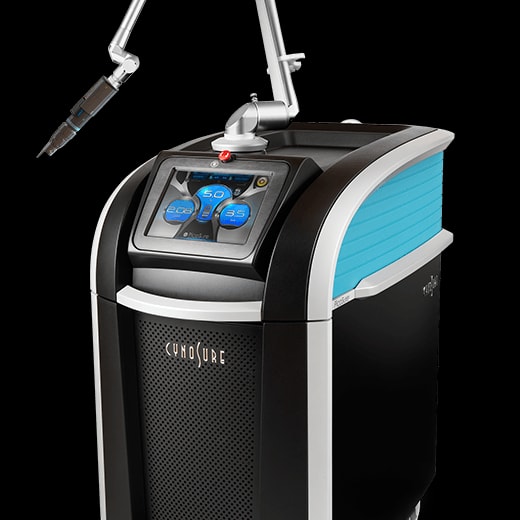
Here's the honest 'what it isn't' part: PicoSure is not a permanent fix that stops your skin from ever making pigment again, and it isn't a face-tightening or wrinkle machine. It selectively targets melanin — that's its job. If your main concern is sagging or deep lines, this is the wrong tool, and I'll tell you so.
Who PicoSure toning is really for
In my chair, PicoSure Toning tends to be the right call for people who fit into these groups:
- Those with stubborn pigmentation that hasn't budged with creams or gentle treatments
- Those who want visible toning and brightening results in a relatively short time frame
- Those who want pigment improvement alongside smoother, more even skin texture
- Those looking for a low-downtime option that fits a busy schedule or a short trip to Seoul
- Those with localized dark spots on the body (armpits, knees, elbows, bikini line and similar areas)
And who I steer elsewhere: if you have very reactive melasma, active inflammation, are pregnant, or have very tanned or sun-damaged skin right now, I'll slow down. Aggressive laser on the wrong skin at the wrong time can make pigment rebound worse. In those cases I often start with a gentler brightening or injection-based plan and add PicoSure later — or not at all.
How PicoSure compares — an honest comparison
PicoSure isn't the only way to treat pigment, and it isn't always the best one for a given person. Here's how I frame the main options for patients.
In short: PicoSure shines when pigment is stubborn and you want efficient, precise clearing with minimal downtime. For very sensitive melasma I often combine it carefully with gentler options rather than relying on laser alone.
Before and after: what's realistic
Let me set honest expectations. PicoSure results build gradually over a course of sessions — you won't walk out after one visit with flawless skin. Pigment often looks slightly darker or 'coffee-ground' for a few days as it breaks up, then flakes and fades. Over several sessions spaced 1–2 weeks apart, tone becomes more even and stubborn spots lighten. How much and how fast depends entirely on your skin type, the depth of the pigment, and — genuinely — how consistently you use sunscreen afterward.
Get a free 1:1 consultation
Message our English-speaking team — same price as locals, no pressure.
What to expect — step by step
- 1
1. Free consultation
We look at your skin under proper light, identify the type and depth of pigment, and decide honestly whether PicoSure is the right fit — or whether something gentler suits you better.
- 2
2. Numbing & prep
Skin is cleansed. Numbing cream is optional; many patients do the face comfortably without it, but we'll use it for sensitive areas or stronger settings.
- 3
3. The session
I select the spot size (2–6mm, 8mm or 10mm) to match your area and pass the picosecond laser over the target. A face session is quick — you'll feel light warm snaps.
- 4
4. Back to your day
With virtually no downtime, you can resume normal life right away. A mask and recovery cream help calm the skin. Expect possible mild redness or fine flaking for a few days.
- 5
5. Results build over weeks
Pigment fades gradually. We space sessions 1–2 weeks apart and reassess as your tone evens out. Diligent sunscreen keeps the results looking their best.
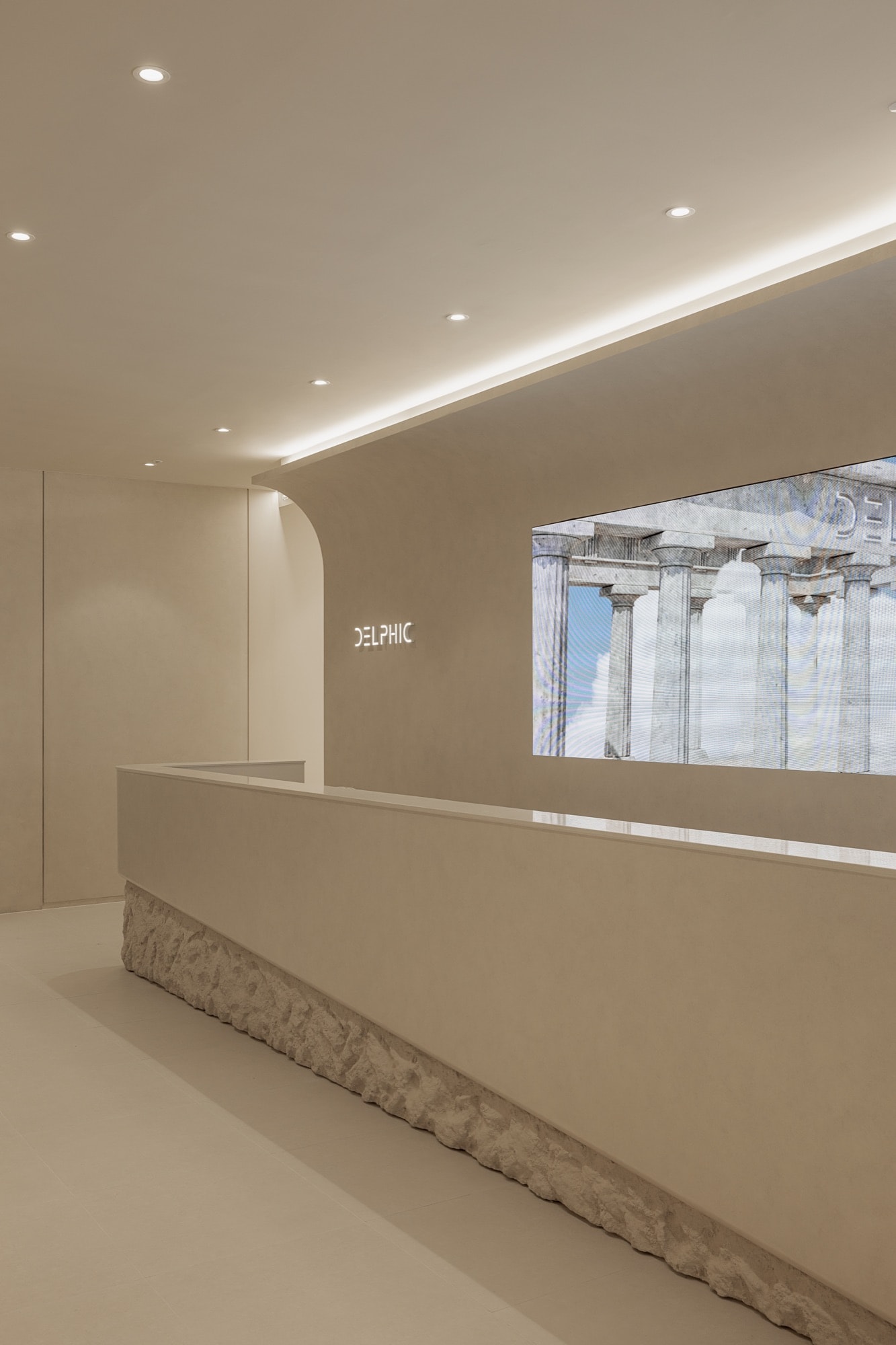
How we do PicoSure at Delphic — and why it matters
Two clinics can own the same laser and get very different results, because pigment work is about judgment: the right settings for your skin tone, knowing when to hold back, and combining treatments sensibly. At Delphic, every PicoSure plan is doctor-led on a genuine, FDA- and KFDA-cleared device — not delegated to a rushed protocol. I'd rather do fewer, safer passes and protect your skin barrier than chase a dramatic single-session result and risk rebound pigment.
How much does PicoSure cost in Korea?
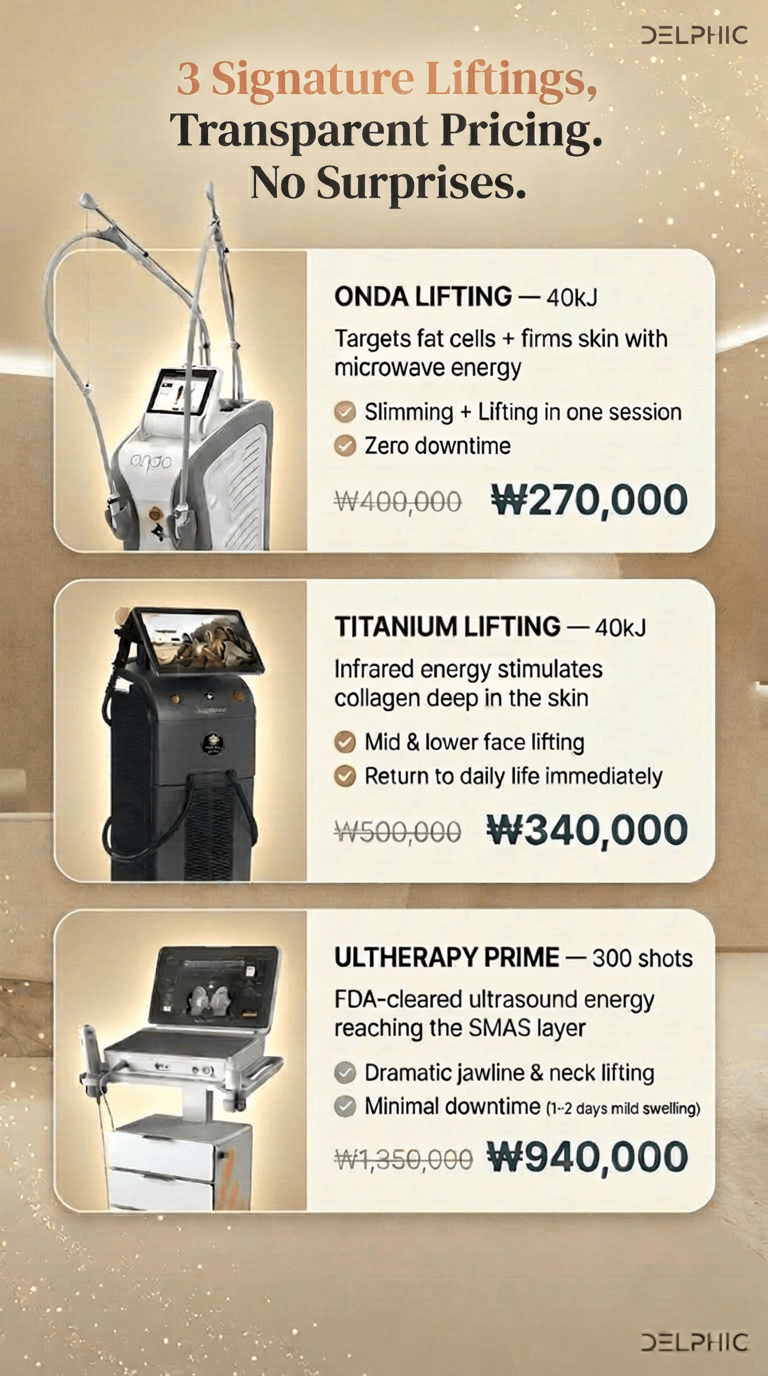
Pricing for PicoSure in Korea varies a lot between clinics, and the cheapest ad isn't always the real device or a doctor's hands. Here are our genuine, published prices:
| PicoSure Toning (Face) + Mask, 1 Session | ₩50,000$40 |
| PicoSure Toning + Mask, 5 Sessions (Face) | ₩250,000$180 |
| PicoSure (Zoom Pass), 1 Session (Face) | ₩150,000$110 |
| PicoSure Body Toning, 1 Session (Armpits/Knees/Elbows/Heels/Nipples/Ankles - Choose 1 Area, Both Sides) | ₩90,000$70 |
| PicoSure Body Toning, 1 Session (Bikini Line) | ₩100,000$70 |
| Pico Sure Toning + 1 Session of Mask (First-visit trial) | ₩40,000$30 |
Coming from overseas? Here's how we make it easy
We treat a lot of visitors, so this is built to be simple. We have on-site English and Chinese interpreters, so nothing about your skin or aftercare gets lost in translation. PicoSure Toning is one-day friendly — many patients do a consultation and first session in the same visit — and we're a short walk from Sinnonhyeon Station Exit 3. And to say it again: you pay the same price as a local, with genuine devices and doctor-led care.
Start with a free 1:1 consultation
For a closer look at a related question, see my notes on PicoSure toning for pigment and uneven tone.
Verified Google reviews
4.7 · 260 Google reviewsI received ONDA lifting and Juvelook Skin treatment at Delpic Clinic. Before the procedure, Dr. K carefully examined my skin condition and explained everything in a kind and easy-to-understand way, which made me feel very comfortable and reassured. During the treatment, I could really tell that Dr. K was highly skilled, so I felt confident and at ease throughout the entire process. Overall, I was very satisfied with my experience. It’s definitely a clinic I would love to visit again.
I had a really great experience at Delphic Clinic. The staff were very friendly and made me feel comfortable from the moment I walked in. They explained everything clearly in English and didn’t try to oversell unnecessary treatments, which I really appreciated. The clinic is very clean and modern, and the whole process felt professional and well-organized. Overall, I would definitely recommend this clinic, especially if you’re a foreigner looking for a trustworthy place in Korea.
The best next step is a free, no-pressure 1:1 consultation. Bring your history and your worries — I'll tell you honestly whether PicoSure is right for you, how many sessions I'd realistically expect, or whether a different approach suits your skin better. No hard sell, just clear medical advice.

Get a free 1:1 consultation
Message our English-speaking team — same price as locals, no pressure.
Pigment is patient work, but with the right device and an honest plan it's very treatable. If you're considering PicoSure in Korea, come in and let's look at your skin together first. — Dr. Hyunji Kim, Delphic Clinic, Gangnam, Seoul.
Frequently asked questions
Does PicoSure Toning hurt?
Most patients describe it as a series of tiny warm snaps or a light rubber-band flick rather than real pain. Because the picosecond pulses are ultra-short, the sensation passes quickly. For sensitive skin or stronger settings we can apply numbing cream, but many people finish a face session with no anesthesia at all.
How long do the results last?
Pigment that's cleared tends to stay gone — but PicoSure doesn't stop your skin from making new melanin. If you don't wear sunscreen daily, sun exposure, hormones and heat can bring pigment back over months. Realistically, results are maintained with sun protection and occasional touch-up sessions, not one visit forever.
How does it compare to conventional laser toning?
Conventional toning uses nanosecond pulses; PicoSure uses picosecond pulses that are roughly 1,000 times faster and stronger. That lets it target melanin more precisely with less heat spread to surrounding tissue, which often means fewer sessions for stubborn pigment. It isn't automatically 'better' for everyone, though — I choose the device based on your skin.
Is there downtime?
There's virtually no downtime — you can return to your day right after. Mild redness or fine flaking may appear but usually subsides within a few days. You'll want to keep skin well moisturized and wear sunscreen frequently while it settles.
How many sessions will I need?
It depends on the type and depth of pigment. Toning-type concerns often improve gradually over a course of several sessions spaced 1–2 weeks apart. Deeper or mixed pigment (like melasma) needs a slower, gentler plan. I'll give you an honest estimate at your consultation — not a fixed 'everyone needs 10' number.
How much does PicoSure cost in Korea?
See the prices in the article — a single face toning session with mask starts at ₩50,000, and there are 5-session packages and body-toning options too. You pay the same price as a local Korean patient; no foreigner mark-up.
Written by
Dr. Hyunji Kim
Dr. Hyunji Kim is the director and lead physician at Delphic Clinic in Gangnam, Seoul. She trained at Korea University Medical Center and personally performs consultations and procedures for both local and international patients.
Read next
Skin & acne
Korean Skin Whitening Treatment Cost: Three Budgets, Matched to Three Different Goals
Korean skin whitening treatment cost depends entirely on what you want changed: a brighter tone for one week, fewer brown spots over months, or general glow. I budget each goal with our real menu prices, and say where I'd stop spending.
Skin & acne
Korean Skin Whitening Treatment: What It Can Honestly Change, and What It Shouldn't Try To
In a Korean clinic, whitening means evening tone and fading excess pigment, not changing your natural colour. A Gangnam doctor explains the options, their limits and real prices.
Skin & acne
Korean Treatment for Pigmentation Cost: Name the Spot First, Then Price It
Pigmentation in Seoul is priced by what the spot is, not by how dark it looks. A Gangnam doctor shows how the Korean treatment for pigmentation cost changes with spot type, using real menu prices.