
Patient case · in the doctor's own words
Regenerative Skin Treatment in Korea: Bada's “Growth Factors From Your Own Blood” Post, and What I Offer Instead
Bada (@pada_heli) wrote about a treatment that uses growth factors from your own blood for skin regeneration. That exact treatment isn't on our menu, so here is what I offer for the same goal, what it costs, and who it doesn't suit.
Explained by
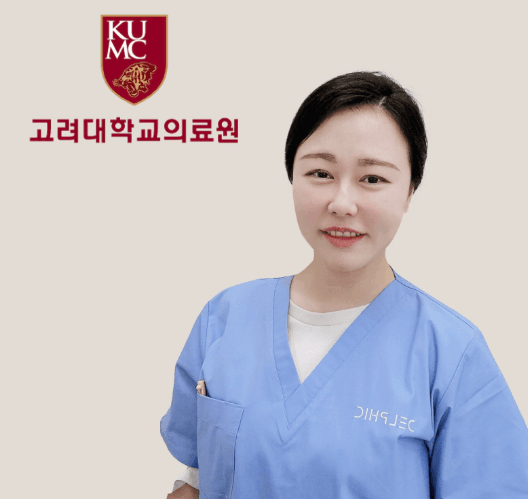
Dr. Hyunji Kim
Director · Lead Physician · Lifting, Laser & Anti-aging
Tap to play — it opens right here, no Instagram app needed.
Patients often arrive with a celebrity's name and a treatment description rather than a treatment name. I'm Dr. Hyunji Kim, director of Delphic Clinic in Sinnonhyeon, Gangnam; I trained at Korea University Medical Center, and I consult and treat international patients myself. Questions about “using your own blood for your skin” come up regularly, usually after a post like Bada's. The caption describes the idea but doesn't name a treatment, and I want to be straightforward: that exact treatment, growth factors separated from your own blood, is not on our menu. What I can explain is the regenerative options I do offer for the same goal, how they differ, what they cost, and who should skip them.
Medically reviewed · Dr. Hyunji Kim ·
In her own words
(Translated from Persian) One of the treatments Kim Kardashian tried on her trip to Korea. They separate growth factors from your own blood and use them for skin regeneration and collagen production — in other words, they use your own body's ability to repair itself to make skin look younger. New treatments to help people look younger come out every day; it's really interesting.
What the caption describes, and what we don't offer
Bada's caption, written in Persian with an English first line, describes separating growth factors from your own blood and using them for skin regeneration and collagen. It mentions this as one of the treatments Kim Kardashian tried in Korea; I can't speak to anyone else's treatment, and the caption doesn't name a clinic menu item.
So let me be clear before anything else: a treatment made from your own blood is not something Delphic offers. If that specific treatment is what you want, I'd rather tell you now than after you've booked a flight.
The goal behind it: helping skin repair itself
What draws people to the idea is reasonable. Rather than filling or tightening, the aim is to support the skin's own repair, so it rebuilds collagen and looks healthier over time. That goal I work with every day, using injectables designed for it.
Three regenerative options on our menu
- 1
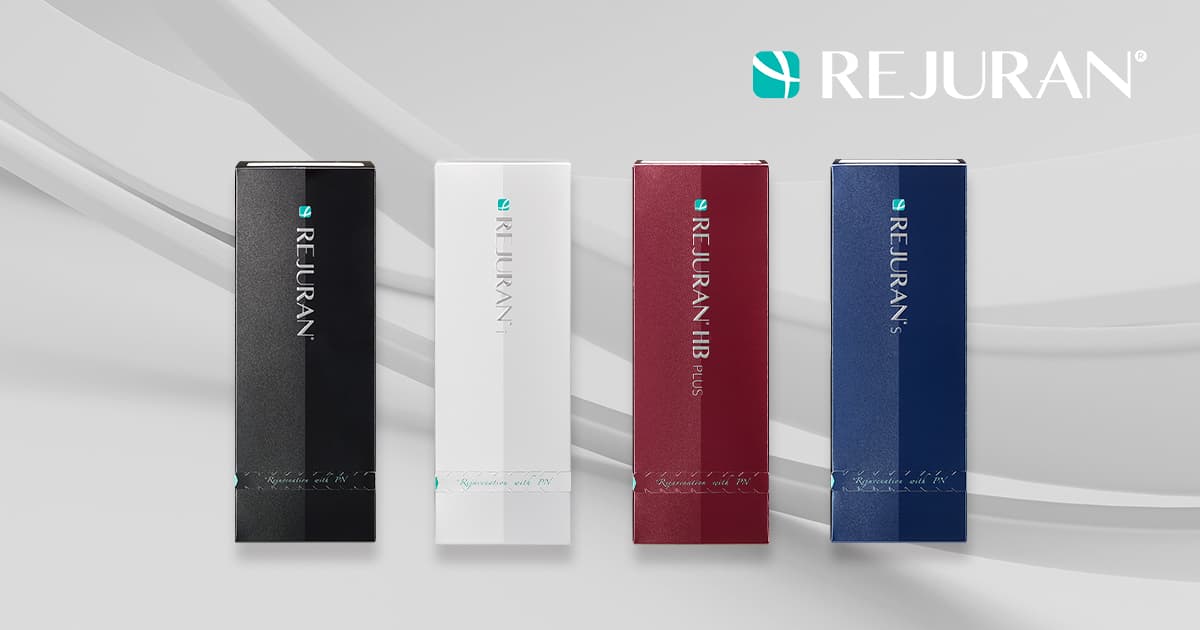
Rejuran
Based on polynucleotides (PN), a biocompatible substance. I use it for thin, tired skin, fine lines and pores, and to improve the skin's overall condition. Small bumps usually settle within 1–3 days.
- 2
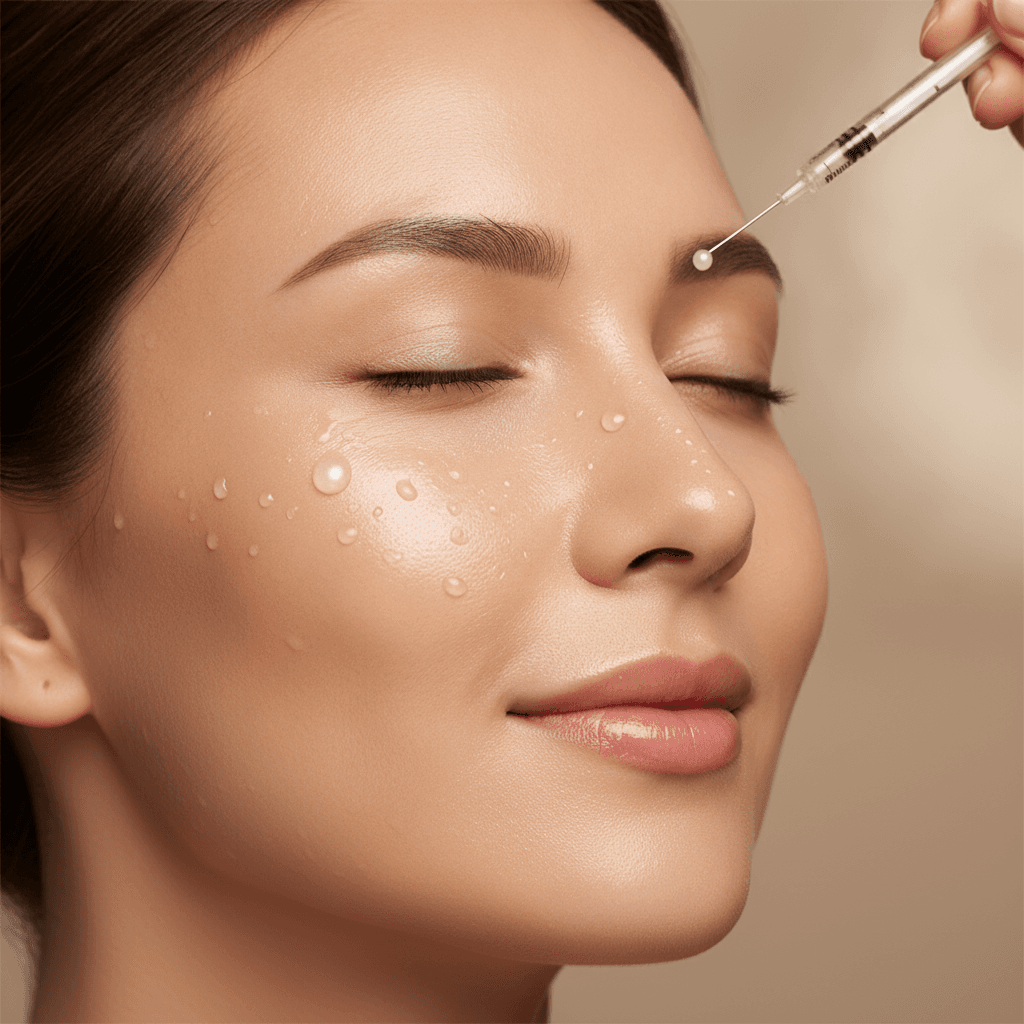
PDRN salmon injection
Delivers PDRN and MGF to support fibroblasts and collagen, with a soothing, brightening effect. The procedure takes about 15–20 minutes, and I ask patients to avoid alcohol, saunas and hard exercise for a week.
- 3
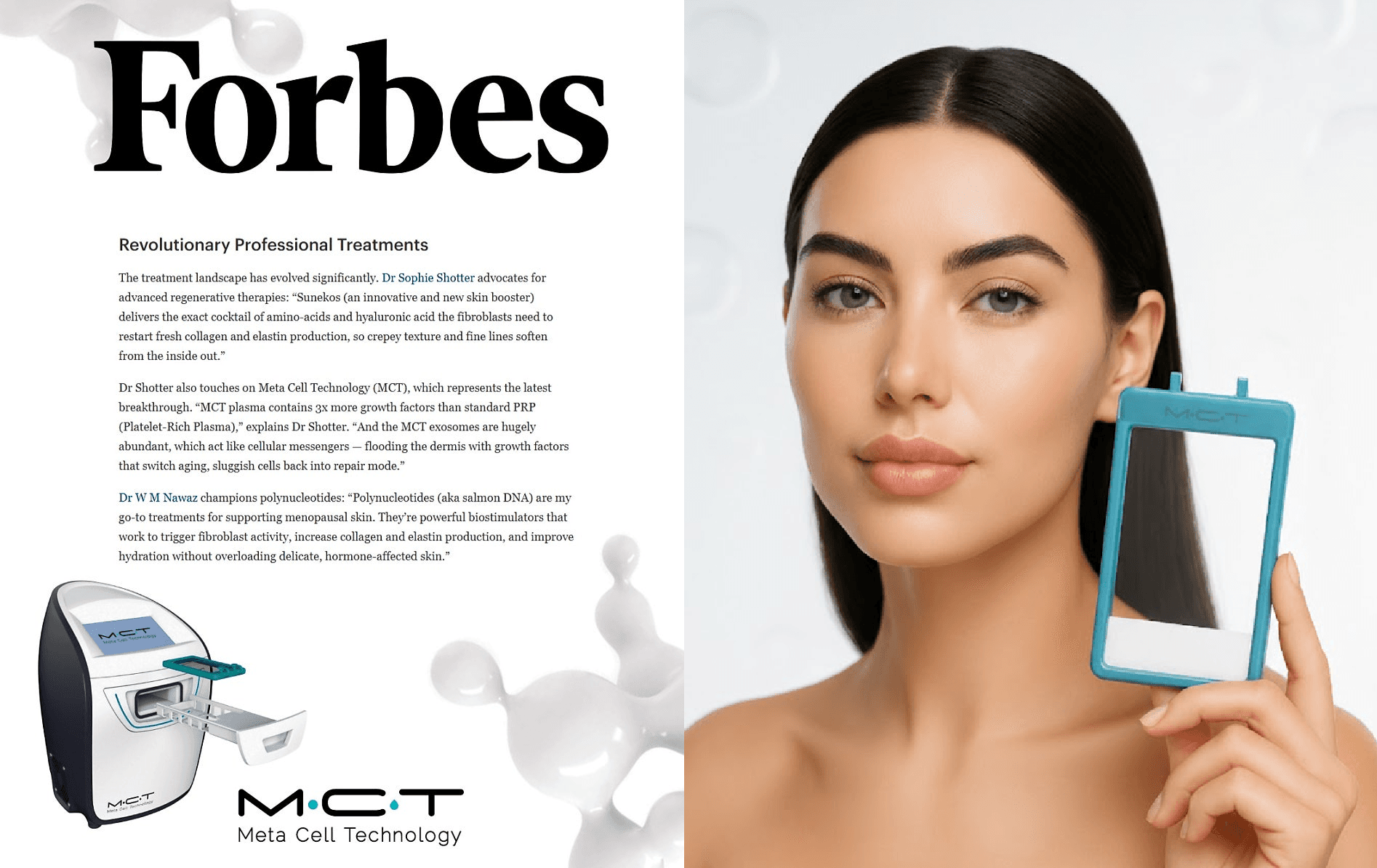
MCT DELPHICell
Our stem cell skin treatment using Meta Cell Technology, aimed at overall regeneration and elasticity. It takes about 30 minutes; minor swelling or bruising at the injection sites tends to settle within a few days.
If you're choosing between the first two, I've written about whether your skin is asking for a salmon injection or Rejuran.
How I choose between them
- Thin, crepey or tired-looking skin, and you want the texture to improve: I usually think of Rejuran first.
- Dryness, sensitivity, or skin that's slow to calm after breakouts: the salmon PDRN injection is often gentler on the budget and a good start.
- You're looking for a broader regenerative plan and have time for a course: MCT DELPHICell is discussed at the consultation.
Reviews of these injections can sound contradictory. My notes on how to read Korean PDRN reviews explain why two people can describe the same treatment so differently.
What regenerative care costs at Delphic
Our prices are published, and international patients pay exactly what Korean patients pay. These are example first-visit menu prices for this concern, not what Bada paid.
- Salmon Injection (First-visit trial)₩99,000≈ $70
- Rejuran Healer 2cc (First-visit trial)₩178,000≈ $130
VAT excluded · identical for Korean and international patients · example menu prices for this concern, not what Bada paid · regular prices: salmon injection 3cc ₩180,000, Rejuran Healer 2cc ₩350,000. MCT DELPHICell packages are priced separately. Your plan is set at the free consultation.
MCT DELPHICell is sold as packages, and which one fits is decided at the consultation. For Rejuran, my first-timer's guide covers cost, PDRN and before-and-after in one place.
Timing it around a trip
- 1
Before you fly
Message us on WhatsApp with a bare-faced photo and your dates. I'll suggest which option makes sense, or whether none does.
- 2
Book early in the trip
Injections can leave small bumps or bruising for a few days, so avoid your last day in Seoul or the day before a big event.
- 3
On the day
A 1:1 consultation with me, then same-day treatment if we agree. English and Chinese interpreters are on site, and we're a short walk from Exit 3 of Sinnonhyeon Station.
Is this for you?
Who this combination genuinely suits
Signs it may be time
- Your skin has lost the bounce it used to have
- Fine lines show more when you're tired or dehydrated
- Your skin is slow to recover after breakouts or irritation
- You've read about regenerative treatments and want a doctor to sort through them
A good fit if
- Your skin looks thin, tired or dull and you want it to improve gradually
- You prefer treatments that support repair rather than adding volume
- You can plan around a few days of small bumps or minor bruising
- You want an honest answer about what is and isn't on the menu
Not the right first step if: you specifically want a treatment made from your own blood, you're pregnant, you have an active skin infection in the area, or you need a visible change within a day.
“Send me a photo before your trip and tell me what you read about. I'll tell you plainly which of our options fits your goal, and when something you want isn't on our menu.”
Questions patients ask me about this
Does Delphic Clinic offer treatments using growth factors from your own blood?
No. Treatments made from a patient's own blood are not on Delphic Clinic's menu. For skin regeneration, the clinic offers Rejuran, PDRN salmon injections and MCT DELPHICell instead.
What is the difference between Rejuran and salmon PDRN injection?
Rejuran is based on polynucleotides (PN) and is often chosen for thin, tired skin, fine lines and pores. The salmon PDRN injection supports collagen and fibroblasts with a soothing, brightening effect. A doctor can suggest which suits your skin.
How much is a regenerative skin booster in Korea?
At Delphic Clinic, a first-visit salmon PDRN injection is ₩99,000 and first-visit Rejuran Healer 2cc is ₩178,000, VAT excluded. Regular prices are ₩180,000 and ₩350,000. International patients pay the same as Korean patients.
Is there downtime after Rejuran or salmon injection?
Small bumps after Rejuran usually settle in 1–3 days, and minor swelling or bruising can occur after injections. For about a week after a salmon injection, avoid heavy drinking, saunas, hot baths and strenuous exercise.
When do regenerative injections show results?
They work gradually as the skin repairs, so changes tend to build over weeks rather than appearing overnight. The number of sessions is set at the consultation.
Get a free 1:1 consultation
Message our English-speaking team — same price as locals, no pressure.
Go deeper on the blog
Treatments in this case
More patient cases
View all → @vivie_175Juvelook Booster with Mirajet
Juvelook with Mirajet in Seoul: Vivie's One-Week Check-In, With Her Doctor's Notes
Vivie (@vivie_175) had a Juvelook collagen booster delivered with Mirajet and posted an honest one-week update. Her doctor explains the early redness, why week one is too soon to judge, and what it costs.
Read the case @carpeciindyJuvelook + Rejuran
Juvelook and Rejuran Together: Cindy's Glass-Skin Combo, Explained by Dr. Kim
Cindy (@carpeciindy) called the Juvelook + Rejuran combo the secret of Korean skincare. Her doctor explains what each booster does, why they're paired, what it costs, and who should skip it.
Read the case @carpeciindyRejuran Healer
Does Rejuran Hurt? Cindy's “No Pain, No Gain” Visit in Seoul, Answered by Her Doctor
Cindy (@carpeciindy) summed up her Rejuran visit in four words: no pain, no gain. Her doctor explains honestly how much it stings, why it's worth it for some skin, and why it isn't for everyone.
Read the case @ohbiscuiitsGlass Skin
Glass Skin and “The Amount of Trust I Have”: Roslyn's Visit, and What Earns That Trust in My Treatment Room
Roslyn (@ohbiscuiits) captioned her glass-skin visit with one line about trust. Her doctor explains what a careful clinic should show you before a needle comes near your face.
Read the case