
Pico Laser on Dark Skin: Safe When the Energy Starts Low

Dr. Hyunji Kim
2026-11-208 min read
Medically reviewed by Dr. Hyunji Kim (Director · Lead Physician) · Last reviewed · Edited by Dr. Hyunji Kim
Delphic Clinic, Gangnam (Sinnonhyeon) · English interpreter on site
Ask us on WhatsApp
Is pico laser safe for dark skin, or will you fly home with patches darker than the ones you came to fade?
For most brown and Black skin it can be, when the energy starts low, sessions are spaced out and the skin stays out of the sun afterward. The main danger is not a burn. It's post-inflammatory hyperpigmentation: new dark marks that can take months to fade, and less often, pale spots.
Hello, I'm Dr. Hyunji Kim, Director · Lead Physician at Delphic Clinic in Gangnam, and a member of the Korean Society for Laser Dermatology & Hair.
The doctor who looks at your skin in the consultation is the doctor who treats it here, and that matters for you because the energy setting is the decision that protects your pigment. The laser I'm talking about is PicoSure, the one-to-one consultation is free, and if you'd rather not discuss settings in a second language, an interpreter for your language is provided at no extra charge.
If you want a starting point, send a daylight photo of the area on WhatsApp, plus one line on whether old pimples, bites or scratches there left brown marks that lasted for weeks. That history says more about your risk than your shade does, so it's the most useful thing to ask about first.
Get a free 1:1 consultation
Message our English-speaking team — same price as locals, no pressure.
Why darker skin reacts differently to laser light
Park a black car and a white car in the same July sun, then touch both hoods an hour later. The black one is hotter, because dark surfaces absorb more light. Melanin behaves the same way. The more of it your skin carries, the more laser energy the whole surface soaks up, not only the spot you want gone.
PicoSure's main wavelength is 755 nm, a range melanin absorbs strongly. That is why it works on pigment, and it is also why it needs a lighter hand on deeper skin.
What the "pico" part changes is time. Each pulse lasts trillionths of a second, so pigment is broken up more by pressure than by heat. Less heat spreading into surrounding skin generally means less inflammation, and inflammation is the signal that tells pigment cells to make more pigment. For that reason picosecond lasers are usually considered a gentler choice for darker skin than older, longer-pulse pigment lasers. Gentler still carries risk.
How the laser is used matters as much as which laser. Toning passes low energy evenly across the face over several sessions. Spot treatment aims a much stronger dose at one mark. On deeper skin, that second approach is the one more likely to leave a dark halo where the spot used to be.
Not sure this fits your case? Ask whether it suits you, available dates and interpreter support.
Ask us on WhatsAppWhat can go wrong on darker skin?
Right after a session, expect redness and a warm, slightly tight feeling for a few hours. Treated spots can turn a shade darker and come off as fine specks over roughly a week. That darkening is pigment leaving, and it's expected.
The reactions worth knowing about are different:
- New dark marks (post-inflammatory hyperpigmentation). Brown or grey-brown patches that show up one to three weeks later, often in the shape of the treated area. They usually fade over several months with strict sun protection; pigment that sits deeper in the skin can take longer.
- Pale spots (hypopigmentation). Less common. Reports on low-energy toning lasers describe mottled light spots mainly after many sessions packed closely together. These recover slowly and can be long-lasting, which is why I don't treat more sessions as better.
- Melasma rebound. Melasma can lighten and then come back darker, especially if heat builds up in the skin.
- Blisters, crusts and, rarely, scarring. These usually mean the energy was too high for that skin on that day.
How any one person's skin responds is individual, and that's the honest reason a first session on darker skin should be the cautious one.
If dark patches appear two or three weeks after you're home, resist the urge to scrub, peel or use stronger acids on them. Keep the area out of direct sun, use a broad-spectrum sunscreen every morning, and take a daylight photo once a week so you can see whether it's fading. Blisters, oozing or crusts that spread need a dermatologist at home within days; bring the device name and the date of your session.
Verified Google reviews
4.7 · 260 Google reviewsI received ONDA lifting and Juvelook Skin treatment at Delpic Clinic. Before the procedure, Dr. K carefully examined my skin condition and explained everything in a kind and easy-to-understand way, which made me feel very comfortable and reassured. During the treatment, I could really tell that Dr. K was highly skilled, so I felt confident and at ease throughout the entire process. Overall, I was very satisfied with my experience. It’s definitely a clinic I would love to visit again.
I had a really great experience at Delphic Clinic. The staff were very friendly and made me feel comfortable from the moment I walked in. They explained everything clearly in English and didn’t try to oversell unnecessary treatments, which I really appreciated. The clinic is very clean and modern, and the whole process felt professional and well-organized. Overall, I would definitely recommend this clinic, especially if you’re a foreigner looking for a trustworthy place in Korea.
If you've had a laser before and it left marks, send a photo of how that area looks today on WhatsApp, with the name of the laser if you know it and roughly when it was done. Ask what should be different this time; that previous reaction is your skin telling you where its limit was.
Get a free 1:1 consultation
Message our English-speaking team — same price as locals, no pressure.
Are you prone to dark marks? A two-minute self-check
Answer these about the area you want treated. Your shade alone doesn't decide the risk; how your skin has handled small injuries does.
Two or more yes answers don't rule pico out. They change how the first session should be run, and how many weeks you leave before the next one.
Who I'd ask to wait
Some situations aren't about settings at all; the timing is wrong. I would postpone if you're pregnant or breastfeeding, since pigment is less stable then and melasma often appears during pregnancy. I'd also wait with an active eczema flare, a cold sore, an infection or broken skin in the area, or a peel or another laser in the past few weeks.
Strong exfoliating acids and retinoids in the days before can leave skin more reactive, so pausing them for a few days beforehand is a sensible general step. A fresh holiday tan is the most common reason I'd change plans: the extra melanin shifts every setting, and the safer move is to let it fade first.
When a laser isn't the answer yet
Flat brown marks from acne in the last few months often fade on their own with daily sunscreen and no picking. A laser can speed some of them, but it adds a fresh round of inflammation to skin that is already reacting. Giving them time is a reasonable choice, and the visit can wait.
If the marks keep coming back because of razor bumps or ingrown hairs, the shaving routine is the thing to fix first. I've written about planning skin treatment around shaving and thicker skin, and the same logic applies to anyone whose marks come from daily irritation.
A dark spot that is raised, new, growing or changing shape needs to be looked at as a mole before anyone points a toning laser at it. Removing a raised bump is a different decision from fading a flat spot, and it starts with an exam.
And if your real complaint is texture, pores or scars rather than colour, PicoSure may not be the tool. Here is how PicoSure and Fraxel split the work between pigment and texture.
How do you lower the risk of a first session?
Whether pico laser is safe for dark skin in your case comes down mostly to how the first session is run. My reasoning is simple: low-energy toning across the area before any focused spot work, and a long enough gap between sessions for any inflammation to settle. I would not stack sessions a few days apart just to fit a trip.
A test patch is often suggested for darker skin, and it's useful, but it only tells you something after a couple of weeks, once any delayed darkening has had time to show. If you're in Seoul for a short stay, that means the first full session itself should be the conservative one.
Same-day treatment is possible at Delphic, and Delphic also offers one-day packages that combine toning with other treatments. With skin that marks easily, ask whether a lighter combination makes more sense for a first visit. The treatment menu and how to reach us are on Delphic Clinic's English homepage.
Afterward, sunscreen does most of the protecting. A tinted mineral sunscreen helps more than a clear one on deeper skin, because the iron oxides that give it colour also block visible light, which can darken pigment too. For a sense of how skin looks in the weeks after a treatment course, see how skin changes over the weeks after treatment.
Where I stand on pico for darker skin
I think pico toning is a reasonable option for brown and Black skin, and I also think it's the treatment where impatience costs the most. The skin that marks easily is the skin that rewards a slow start. If your history says your pigment reacts strongly, I'll tell you that plainly, and sometimes the answer is to wait for a tan or a pregnancy to pass before doing anything.
None of this needs deciding before your trip is booked, or even this year. Your skin will still be there next season.
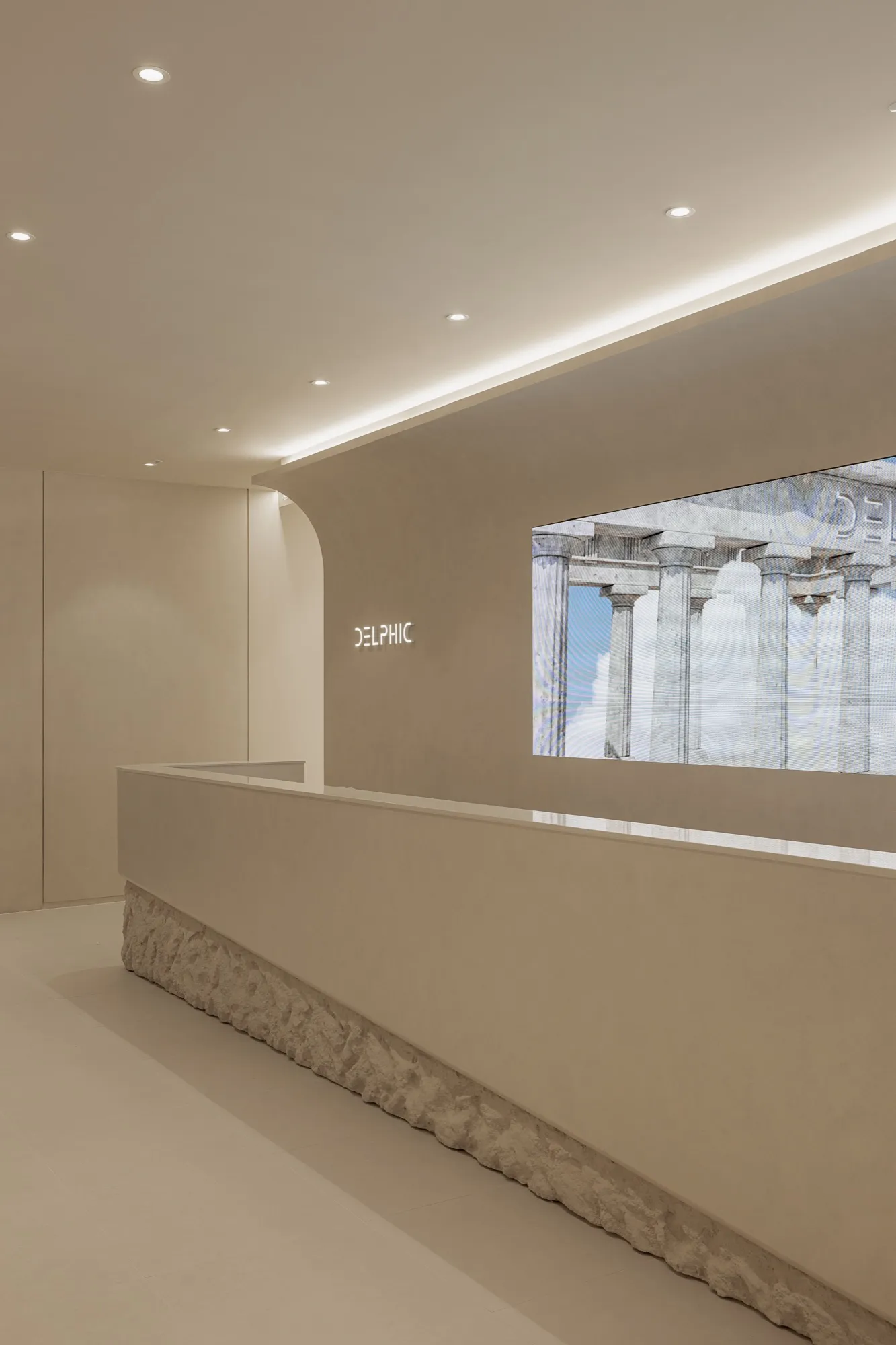
When you're ready, the one-to-one consultation is free, a medical interpreter is there at no extra charge, and we're directly connected to Exit 3 of Sinnonhyeon Station, open until 9 pm on weekdays. On WhatsApp, send a daylight photo of the area and your travel dates, and ask one thing: what you should do if marks darken after you're back home. What decides your settings is whether melasma sits underneath the marks you can see, and good light in person shows that clearly.
— Dr. Hyunji Kim, Director · Lead Physician
Frequently asked questions
Will pico toning make my overall skin tone lighter?
It isn't designed to. It targets clumps of excess pigment so tone looks more even, while your natural shade stays. Patchy pale areas after a course are a side effect to report, not a goal.
Does pico laser hurt more on darker skin?
It usually feels like quick snaps of a rubber band. Because more melanin absorbs more energy, it can feel a little hotter on deeper skin, which is one more sign the energy should start low. Numbing cream is commonly used on the face.
How soon can I fly or be photographed after a session?
Flying itself doesn't harm treated skin. Redness usually settles within hours, but darkened specks can stay for up to about a week, so leave that margin before photos. Reapply sunscreen if you sit by the window.
I have melasma and brown skin. Is pico still an option?
Sometimes, as low-energy toning alongside daily sunscreen and topical treatment, but lasers are rarely the first step for melasma and it can return darker if heat builds up. Mention the melasma in your first message so the plan starts from it.
Can I combine pico with other treatments the same day?
It's possible, but on skin that marks easily every heat-based treatment added on the same day adds inflammation. For a first visit, a lighter combination is usually the safer trade.
Didn't find your answer here?
Ask us directly on WhatsAppStill deciding? Send us your question — free 1:1 consultation, English interpreter on site.
Ask us on WhatsAppWritten by
Director · Lead Physician
Dr. Hyunji Kim is the director and lead physician at Delphic Clinic in Gangnam, Seoul. She trained at Korea University Medical Center and personally performs consultations and procedures for both local and international patients.
- Korea University Medical Center
- Member, Korean Academy of Aesthetic Surgery & Laser Medicine
- Member, Korean Society for Laser Dermatology & Hair
See Delphic in 60 seconds
Short clips from our clinic and the guests who visited. Tap to play here.
Getting Here
By Exit 3 of Sinnonhyeon Station, Gangnam. How to get here from the airport is below.
476 Gangnam-daero, Urban Hive Bldg 2F, Gangnam-gu, Seoul
1-minute walk from Exit 3, Sinnonhyeon Station (Subway Line 9 & Sinbundang Line)
About 70 minutes from Incheon Airport (Airport Railroad + subway)
Read next
Skin & acne
How Long Does Pico Laser Take to Work? Week One vs Month One
A sun spot treated with pico laser usually darkens first, flakes off in about five to ten days and keeps fading for four to six weeks. Toning for uneven tone or melasma works over a series of sessions.

Skin & acne
Pico Laser Sessions: Few for Spots, a Course for Melasma
Freckles and flat sun spots often lighten in one to three pico sessions about four weeks apart; melasma needs a toning course over months. What each session looks like afterwards, and how many fit into one Seoul trip.

Skin & acne
Exercise After Mole Removal: Stitches Change the Wait
With no stitches, most people walk and train lightly the next day and keep sweat, pools and friction off the spot for about a week. A stitched removal usually means one to two weeks without hard training, longer on the back or shoulders.