Thread Lift Korea: How I Lift Sagging Skin Without Surgery — A Gangnam Doctor's First-Timer Guide
Dr. Hyunji Kim
2026-09-068 min read
Medically reviewed by Dr. Hyunji Kim · Last reviewed

A thread lift in Korea is one of the most-searched non-surgical lifting treatments I see internationally — and also one of the most misunderstood. Patients arrive picturing either a dramatic overnight facelift or a scary "cat eye" look they saw go wrong online. The truth sits comfortably in between, and I'd rather you understand it properly before you ever lie down on my table.
I'm Dr. Hyunji Kim, director at Delphic Clinic in Gangnam, near Sinnonhyeon Station. I've placed a lot of threads over the years — for sagging jawlines, softening cheeks, and reshaping noses — and this is my honest first-timer's guide to what a thread lift really does, who it genuinely suits, and who I send elsewhere.
What it actually is — in plain language
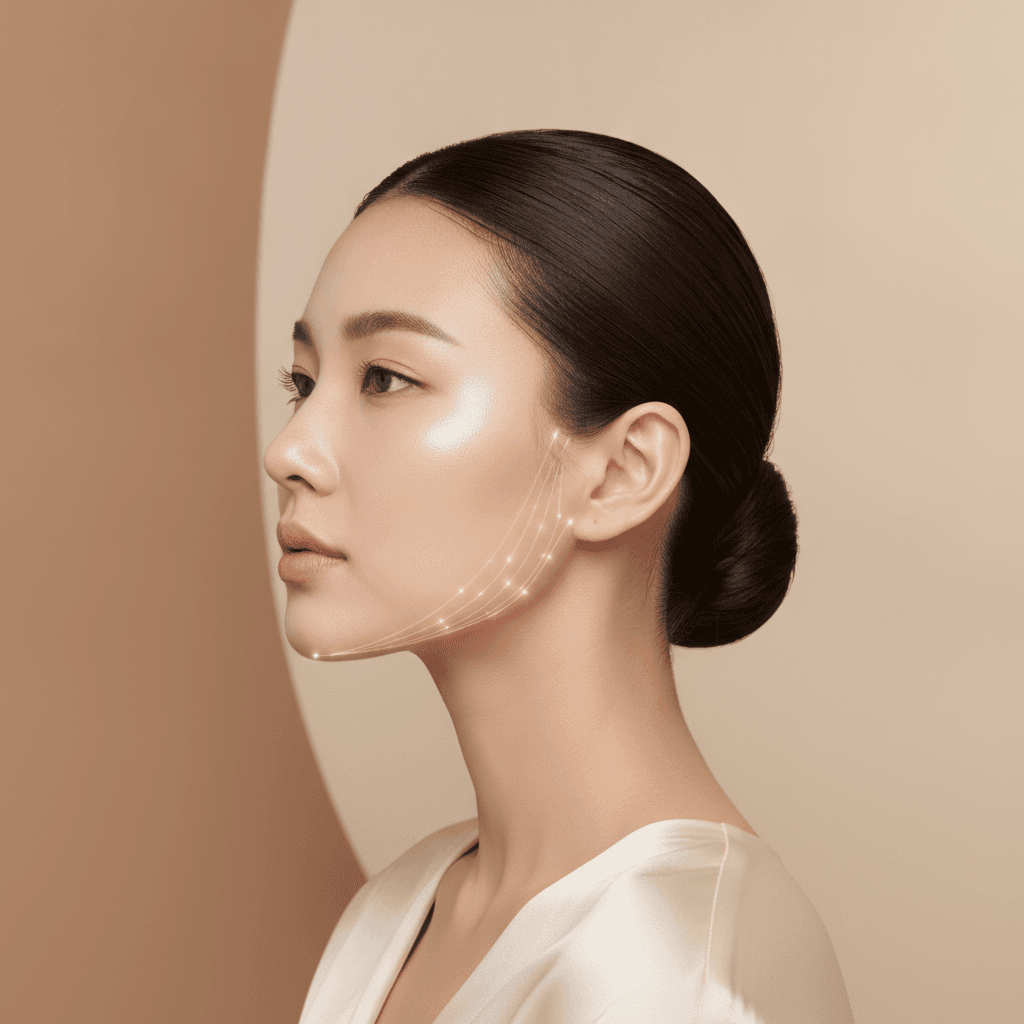
A thread lift involves inserting special medical-grade dissolvable threads into the deeper layers of your skin. Those threads do two jobs at once: they mechanically lift sagging skin and reposition it, and as they slowly dissolve over the following months they stimulate your own collagen to regenerate. So you get an immediate lifting effect plus a gradual improvement in skin elasticity that outlasts the threads themselves. Common types you'll hear about include PDO thread variants — you may see it written as ace pdo thread lift korea online — as well as barbed "mint" threads for lifting and finer mono threads for skin firming.
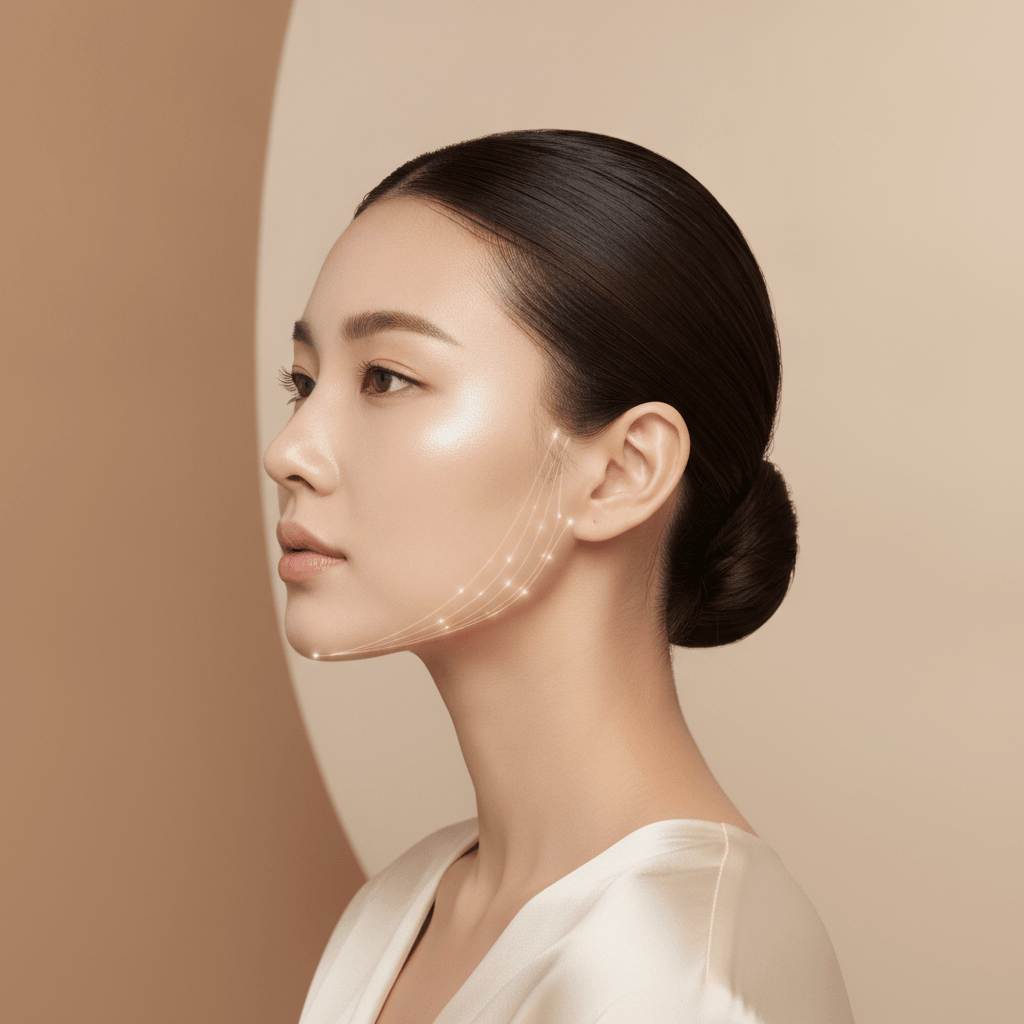
Here's what it isn't: it is not a surgical facelift. Threads can't remove excess skin, and they won't give you the same magnitude or longevity as surgery. If your skin laxity is heavy and hanging, threads alone will disappoint you — I'll tell you that honestly rather than sell you a result the treatment can't deliver.
Who it's really for
A thread lift shines for people with early to moderate sagging who want a visible lift without going under the knife. In my chair, the happiest patients tend to be:
- People noticing early jowls or a softening jawline who want definition back.
- Those with mild cheek or mid-face descent who want a subtle, natural lift.
- Anyone wanting a nose thread lift — a hiko nose thread lift korea style bridge lift, or a Barbico tip thread — to refine the nose without rhinoplasty.
- Busy patients who need short downtime (about 1–2 days) and can't take weeks off.
- People who want to combine an immediate lift with longer-term collagen and skin-quality improvement.
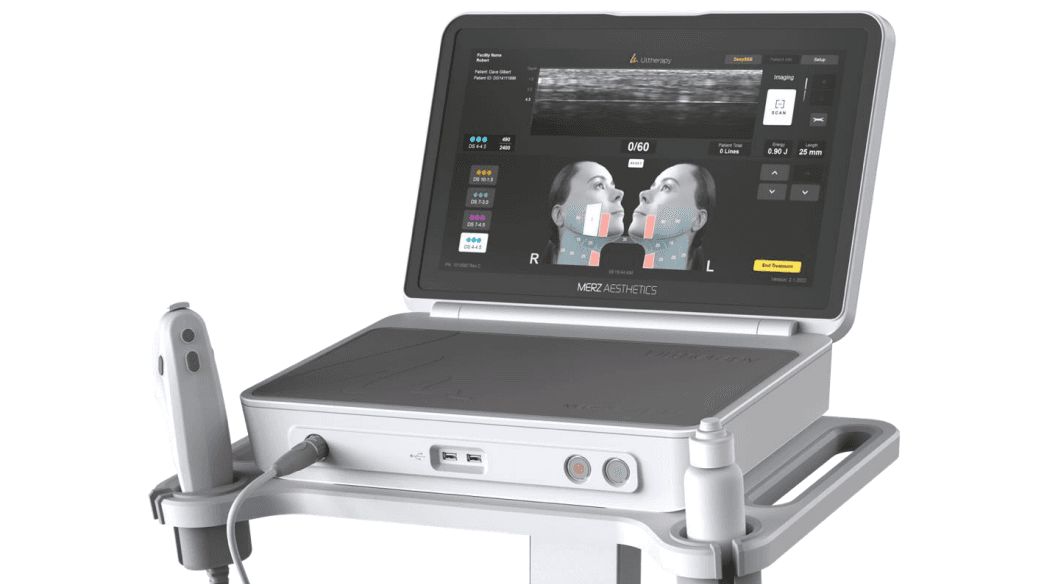
And who I steer elsewhere: if your skin is heavily lax and drooping, surgery will serve you far better. If your main concern is overall skin tightening or texture rather than repositioning sagging tissue, I'll often point you toward an energy device like Ultherapy instead — you can read my honest take in my Ultherapy first-timer's guide before deciding.
How it compares — an honest comparison
There's no single "best" lifting treatment — only the best fit for your face and timeline. Here's how a thread lift sits next to the alternatives I use.
In practice I often combine threads with an energy device — threads to lift and reposition, RF or HIFU to tighten and firm — for a more complete, natural result.
Before and after: what's realistic
Right after the procedure you'll usually see an immediate lift — that's the mechanical effect of the threads. But the fairest way to judge a thread lift is over the following weeks and months, as swelling settles and collagen builds. Expect a softened jawline, a lifted cheek, or a more defined nose profile — refined, not dramatic. It's an improvement of your own features, not a new face. And yes, results are individual: your starting laxity, skin thickness, and lifestyle all matter.
Get a free 1:1 consultation
Message our English-speaking team — same price as locals, no pressure.
What to expect — step by step
- 1
1. Free consultation
We look at your face in motion, discuss your goals, and decide the thread type and number of lines — nose, jawline, cheeks, or a combination. Honest advice comes first; if threads aren't right, I'll say so.
- 2
2. Numbing & prep
We cleanse the area and apply local numbing so the procedure is comfortable. You'll feel pressure and tugging rather than sharp pain.
- 3
3. The session
I insert the dissolvable threads into the deeper layers and lift the tissue into position. The whole treatment usually takes about 40 to 80 minutes depending on how many areas we're treating.
- 4
4. Back to your day
Recovery is roughly 1–2 days. You can return to daily activities from the next day, with some mild swelling or a tight feeling. I'll give you clear aftercare — avoid big facial movements, hard chewing, and saunas for a short while.
- 5
5. Results build over weeks
You'll see an immediate lift, then a gradual firming as your collagen responds over the following weeks and months.
How we do it at Delphic — and why it matters
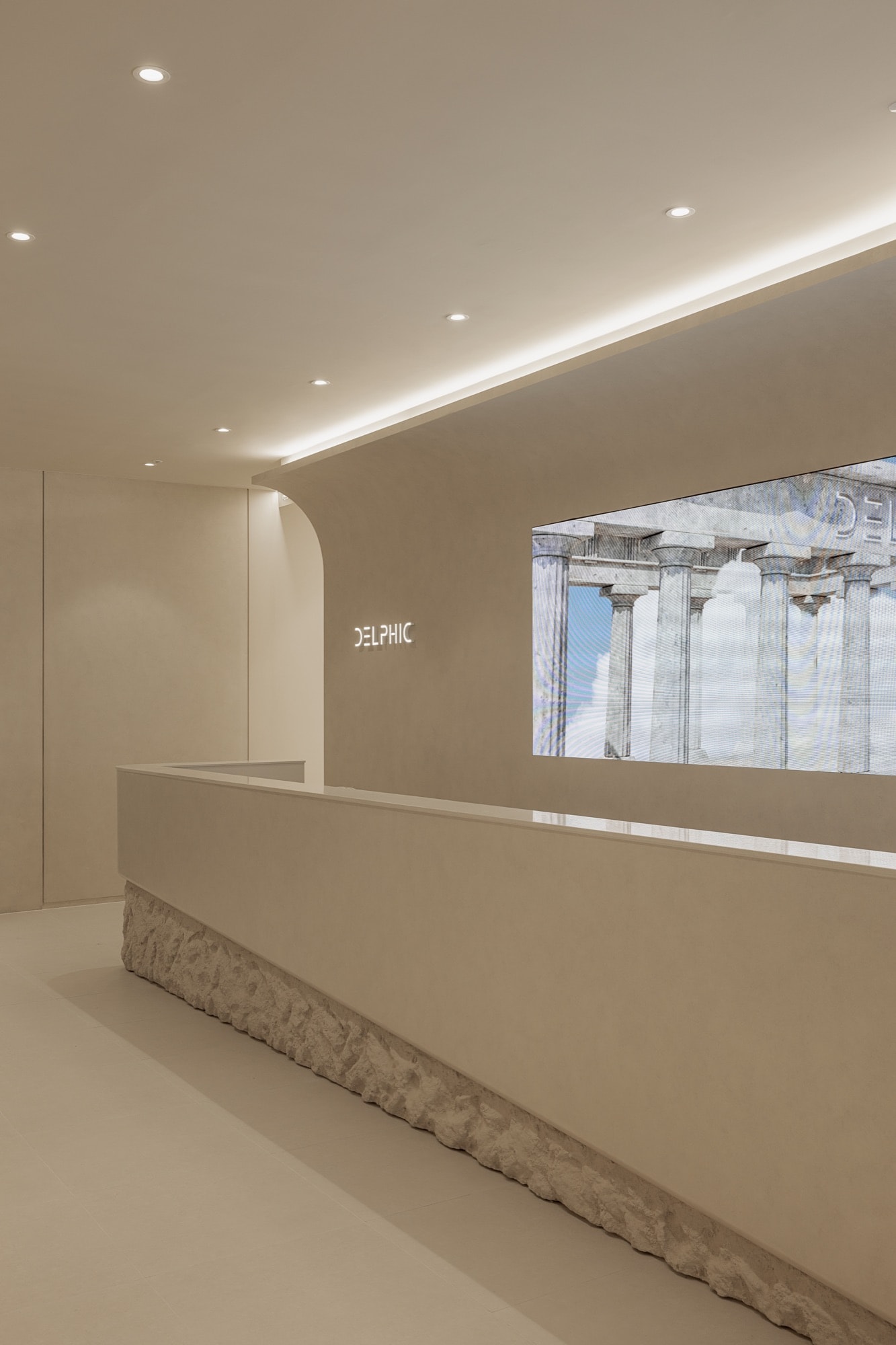
Thread lifting is genuinely doctor-dependent — the result comes from where the threads are placed and how the vectors are planned, not from the box they came in. Every thread at Delphic is placed by a doctor, using genuine medical-grade threads, with the plan tailored to your face rather than a fixed package. If you're weighing up cost, I've written a transparent breakdown in my thread lift cost guide so there are no surprises.
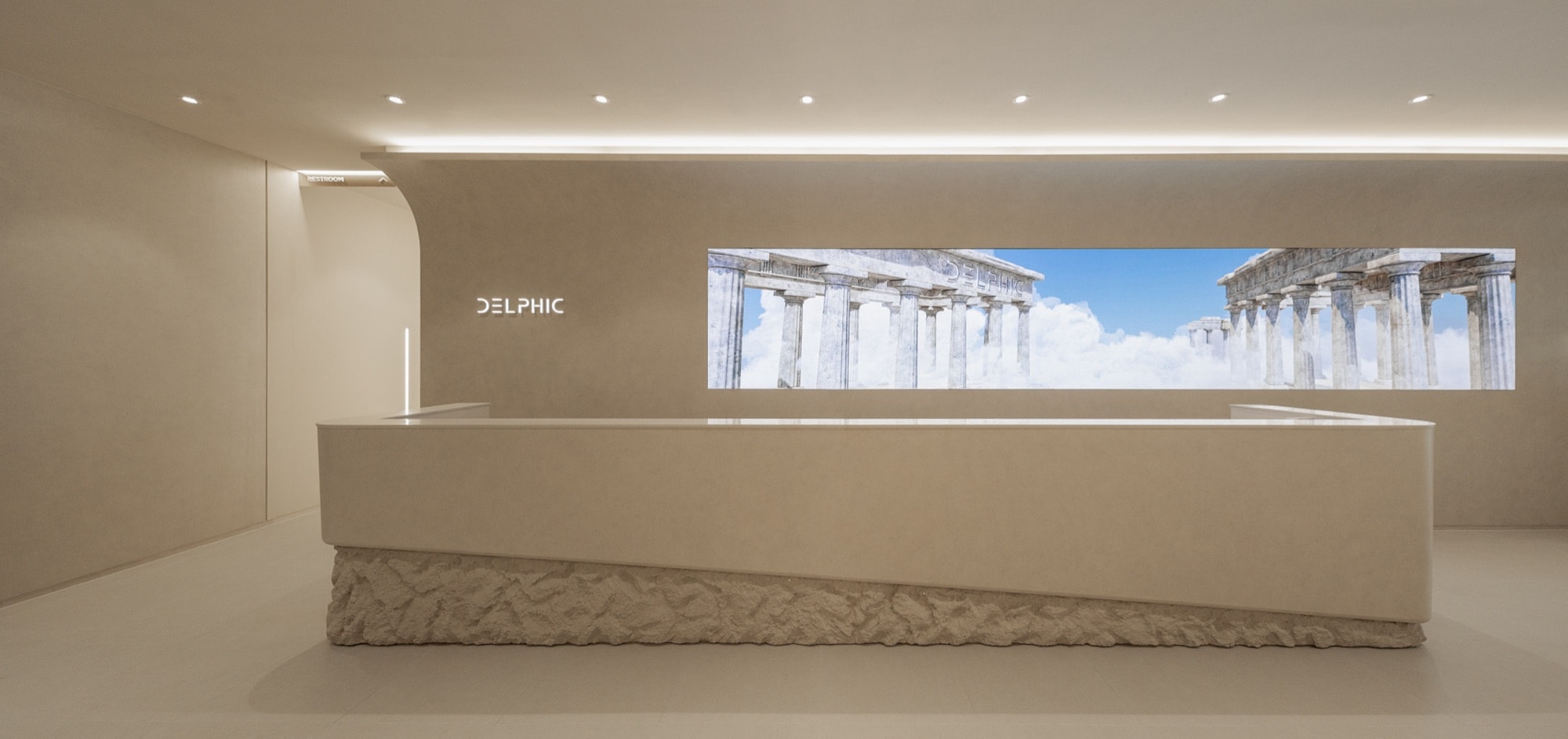
How much does it cost in Korea?
Thread lift cost in Korea depends on the thread type and number of lines, plus whether you add filler for extra support. There's no single flat price — a focused nose thread lift is very different from a full jawline lift. Here are our genuine prices, and if you want a deeper cost comparison across clinics I've written a dedicated nose thread lift price guide too.
| Mint Thread 4 lines + Juvederm 1cc (Allergan) (Nasolabial or Marionette Line, choose 1) | ₩700,000$510 |
| Mint Thread 8 lines + Juvederm 1cc (Allergan) (Nasolabial or Marionette Line, choose 1) | ₩1,100,000$800 |
| Hiko Nose Bridge Thread 2 lines | ₩200,000$140 |
| Barbico Nose Tip Thread 2 lines | ₩200,000$140 |
| Jamber Thread 1 line | ₩120,000$90 |
| Mint Thread 1 line | ₩100,000$70 |
| Mono Thread 50 lines | ₩800,000$580 |
| High-Co 2 Lines | ₩200,000$140 |
| Bavicore 2 strands | ₩200,000$140 |
| 4 Mint Threads + 1cc Rejeuviel | ₩560,000$410 |
| 8 Mint Threads + 1cc Rejeuviel | ₩960,000$700 |
Coming from overseas? Here's how we make it easy
We treat a lot of international patients, and we keep it simple. We have on-site English and Chinese interpreters, so nothing gets lost between you and your doctor. A thread lift is one-day-friendly — many visitors do their consultation and treatment in a single visit and are back to sightseeing the next day. We're a direct walk from Sinnonhyeon Station Exit 3, and you pay the same price as everyone else.
Start with a free 1:1 consultation
Related reading: I cover pDO Thread Lift in a separate post.
Related reading: I cover 2 Weeks After Thread Lift in a separate post.
Related reading: I cover thread Lift Gone Wrong in a separate post.
Related reading: I cover neck Thread Lift in a separate post.
Verified Google reviews
4.7 · 260 Google reviewsI received ONDA lifting and Juvelook Skin treatment at Delpic Clinic. Before the procedure, Dr. K carefully examined my skin condition and explained everything in a kind and easy-to-understand way, which made me feel very comfortable and reassured. During the treatment, I could really tell that Dr. K was highly skilled, so I felt confident and at ease throughout the entire process. Overall, I was very satisfied with my experience. It’s definitely a clinic I would love to visit again.
Before any threads, book a free 1:1 consultation. We'll assess your skin honestly, tell you whether a thread lift, an energy device, or a combination suits you best — and if I don't think it'll help, I'll tell you that. No pressure, just honest advice from a doctor.

Get a free 1:1 consultation
Message our English-speaking team — same price as locals, no pressure.
If sagging skin is starting to bother you but surgery feels like too big a step, a thread lift is often the sensible middle path — and done well, it looks like nothing at all except a fresher, lifted you. Come in and let's talk through it properly. — Dr. Hyunji Kim, Delphic Clinic, Gangnam, Seoul.
Frequently asked questions
Does a thread lift hurt?
We numb the area first, so most patients feel pressure and a little tugging rather than sharp pain. There can be mild tenderness for a day or two afterward — the kind that responds to a paracetamol. It's far gentler than most people expect from something that lifts the skin.
How long does a thread lift last?
The threads themselves are dissolvable and gradually absorb over several months, but the collagen they stimulate keeps working after they're gone. Results generally hold for around a year to 18 months depending on the thread type, your skin, and how much laxity you started with. It is not permanent — it's a maintainable result, not surgery.
How does it compare to Ultherapy or a facelift?
Roughly: a thread lift gives an immediate mechanical lift plus collagen stimulation; energy devices like Ultherapy tighten gradually with no insertion; a surgical facelift removes tissue and lasts far longer but needs weeks of downtime. Many patients combine threads with energy devices for a fuller result.
Is there downtime with a thread lift in Korea?
Recovery is about 1 to 2 days. You can usually return to daily activities from the next day. Expect some mild swelling, possible small bruising, and a slightly tight feeling for a few days. I ask patients to avoid heavy chewing, big facial movements, and saunas for a short while.
How many threads or sessions do I need?
It depends entirely on your face and goals. Some people do a focused nose thread lift with just 2 lines; others do 4 to 8 mint threads for jawline and cheek laxity. We decide the number of lines together in the consultation — not from a fixed package.
How much does a thread lift cost in Korea?
See the price list in the article. Single mint threads start around ₩100,000 each, a Hiko nose thread lift is ₩200,000 for 2 lines, and combination lifting packages run higher. You pay the same price as a local Korean patient — no foreigner mark-up.
Written by
Dr. Hyunji Kim
Dr. Hyunji Kim is the director and lead physician at Delphic Clinic in Gangnam, Seoul. She trained at Korea University Medical Center and personally performs consultations and procedures for both local and international patients.
Read next

Lifting
Thread Lift Korea Cost: What You'll Really Pay — A Gangnam Doctor's Honest Price Guide
"How much is a thread lift in Korea, really?" I answer this every week — so here's the honest math, from a Gangnam clinic.

Lifting
Korea Thread Lift: How I Lift Faces Without Surgery — A Gangnam Doctor's Honest Guide
"Can threads really lift my face without surgery?" I answer this every week — here's the honest version, from a Gangnam clinic.
Lifting
Neck Thread Lift: Which Necks It Suits, Where It Falls Short, and What I Suggest Instead
A neck thread lift can help a soft jaw-to-neck line, but the neck is a different problem from the face. A Gangnam doctor explains which necks suit threads, the honest limits, and the alternatives she often suggests.